A payment plan installment splits one agreed price into scheduled payments. For a trainer or coach, that means a client pays a package, program or membership in parts, and the business delivers sessions on a defined schedule. A prepaid booking is the opposite pattern: the client pays in full first, then books sessions against that balance. This guide covers how both work, how to set up installment schedules, and how to handle missed payments.
TL;DR
- A payment plan fixes the total price up front and divides it into scheduled payments. Total cost does not change unless fees or interest are disclosed in advance.
- Prepaid bookings: full payment first, sessions booked against the balance. Installments: payment in parts, access tied to what has cleared.
- A written agreement lists total price, installment amounts, due dates, payment method on file and failed-payment rules.
- Decide in advance how session access, retries, pauses and cancellations work. Do it before the first payment.
- FITsociety combines client administration, scheduling, payments and subscription management in one environment for coaches and teams.
What a payment plan installment is
A payment plan is an agreement that lets a customer pay for a product or service over time instead of in one lump sum. The total price is agreed up front and divided into smaller scheduled payments, as described in Stripe’s guide to payment plans for businesses.
Each scheduled payment is one installment. Typical elements:
- Total cost, fixed at the start.
- Payment cadence: weekly, biweekly or monthly.
- Due dates communicated clearly.
- Remaining balance, updated as each payment is made.
The goal is to reduce the client’s up-front burden without changing the overall cost. A plan may include interest or service fees. If it does, those are defined up front and built into the installment amounts.
Installment plan vs. subscription
The two look similar on a client’s card statement. They are different agreements.
| Feature | Installment plan | Subscription or membership |
|---|---|---|
| Total price | Fixed, finite | Open-ended until canceled |
| Ends when | Final installment clears | Client or business cancels |
| Typical use | 12-week program, 24-session package | Monthly gym access, ongoing coaching |
| Renewal | None, unless a new agreement is made | Automatic renewal by period |
| Main risk | Unpaid balance after delivery starts | Churn and failed renewals |
Coaches often use both. A client might pay a transformation program in three installments, then move to a monthly coaching membership.
Installments vs. prepaid bookings
Both structures are about when money moves relative to delivery.
Prepaid booking. The client pays the full package price before sessions start. Sessions are booked against the prepaid balance. Examples: a 10-session pack, a block of small-group classes, a term of online PT check-ins.
Installment plan. The client pays in parts. The coach delivers while payments continue, so some of the work is delivered before it is fully paid.
| Question | Prepaid booking | Installment plan |
|---|---|---|
| Cash timing | All at start | Spread across the schedule |
| Collection risk | Low | Higher: later payments may fail |
| Client barrier to start | Higher upfront cost | Lower upfront cost |
| Admin load | Track remaining sessions | Track sessions and payment status |
| Best fit | Short packs, drop-in classes | Higher-priced programs, long packages |
Installments reduce friction at the start but increase collection risk. MannyPay’s guidance on personal training package payments recommends limiting that exposure by tying delivery to payment completion and by running a defined failed-payment process: retry, notify, pause.
How to structure an installment schedule
Start from the package, not from the payment. Define what the client receives, then split the price.
Step 1: Fix the total price
Set one total for the package. If a service fee or interest applies, include it in the total and in each installment amount. Disclose it before the client agrees.
Step 2: Choose the number and cadence of installments
Match the schedule to the delivery period. Common patterns:
- Two installments: half at signup, half at the midpoint.
- Three installments: one third at signup, then monthly.
- Monthly through the program: a 12-week program billed in three monthly payments.
The schedule should end on or before the last delivered session. Payments that run past the end of delivery create the most disputes.
Step 3: Link sessions to payment status
MannyPay gives a clear example: a client on a three-installment plan unlocks one third of the package as each installment clears. Under that model:
- Installment 1 clears: first third of sessions available to book.
- Installment 2 clears: second third unlocked.
- Installment 3 clears: remaining sessions unlocked.
The client always has paid for at least the sessions used. The coach never delivers far ahead of cash.
Step 4: Write the agreement
Personal training packages sold on installments need a signed agreement. MannyPay lists what it should include:
- Total price
- Installment amounts and dates
- Card or bank account on file
- What happens if a payment fails
Add the session expiry window and cancellation terms. Those matter even more when sessions are unlocked in stages.
Step 5: Store payment details through a compliant gateway
For scheduled card-on-file payments, MannyPay advises using a PCI DSS-compliant gateway or point-of-sale system. Card numbers do not belong in a binder or spreadsheet. Payment data stays with the payment provider, and the coaching software holds only the schedule and status.
Sample installment structures
The figures below are illustrations of how a split works, not recommended prices.
| Package | Total | Plan | Per installment |
|---|---|---|---|
| 12-week online coaching program | $900 | 3 monthly payments | $300 |
| 24 one-to-one sessions | $1,440 | 4 monthly payments | $360 |
| Small-group term, 8 weeks | $480 | 2 payments, weeks 1 and 4 | $240 |
Formula: installment = total price divided by number of installments. With a disclosed fee, add the fee to the total first, then divide.
Check each row against delivery. In the first row, the third payment falls in week 9, and the program ends in week 12. Delivery continues after the final payment, which is the safest pattern.
How prepaid bookings work for one-to-one and small-group training
A prepaid booking turns payment into a balance of sessions. The client buys a package, such as 10 one-to-one sessions or a class pass, and each booking draws it down.
Elements to define:
- Package size: number of sessions or class credits.
- Session types covered: one-to-one, small group, online PT, or group class.
- Validity window: how long the sessions stay usable.
- Booking rules: how far ahead to book, how late to cancel.
- Rescheduling: what counts as a move and what counts as a forfeited session.
- Unused sessions: whether they expire, roll over or are refundable.
Write these before selling the package. Disputes mostly come from unwritten expiry and cancellation rules.
Combining both models
Prepaid and installment structures can be combined. A client pays for a 24-session package in four installments, and each installment unlocks six sessions. The booking calendar then draws from unlocked sessions only. This keeps the client’s balance and the coach’s cash position aligned.

Handling missed installments
Missed payments follow predefined rules outlined in the agreement. As Stripe’s guide describes, common rules include retries, late fees, service pauses or escalation.
A workable sequence:
- Automatic retry. The payment is attempted again after a short interval.
- Client notice. A message states the amount, the date and how to update the payment method.
- Pause on unlocked sessions. Future sessions stay locked until the payment clears. Sessions already paid for remain usable.
- Escalation. A direct message from the coach, then a final notice with a deadline.
- Resolution. Payment resumes, the plan is renegotiated or the agreement ends under its written terms.
Two principles keep this fair:
- Apply the same rule to every client.
- State the rule in the agreement before the first payment.
A late fee, if used, is disclosed in advance. A fee that first appears after a missed payment invites disputes.
Cancellations, refunds and rescheduling
Installment plans raise a question that prepaid packs do not: if the client cancels mid-plan, what is still owed?
Decide and write down:
- Cancellation before delivery starts. Whether the first installment is refundable.
- Cancellation mid-plan. Whether remaining installments are due, or only sessions delivered.
- Refunds for unused sessions. Refund, credit or no refund, and the calculation used.
- Coach-side cancellations. Sessions the coach cancels are rescheduled or credited, never forfeited.
- Client rescheduling. The notice window, such as 24 hours, and what happens inside it.
Refund and consumer-protection requirements differ by state and country. Before publishing terms, check them with a licensed attorney in the jurisdiction where the business operates. Card network rules and payment-processor terms also apply, and the processor’s own documentation is the place to confirm them.
Fees, interest and provider terms to check
Before offering installments, review these items:
- Processing fees per transaction, and whether each installment is charged separately.
- Failed-payment fees charged by the processor.
- Payout timing: when funds reach the business account.
- Retry behavior: how many automatic retries the provider runs and on what schedule.
- Dispute and chargeback terms.
- Stored-credential consent: the client agrees clearly to the card being stored and charged on a schedule.
Retry rules differ across payment rails and countries, so a schedule built for card payments may not fit bank debits. Use the provider’s documentation as the reference for the market served.
Whether a plan is interest-free or includes service fees, disclose it up front and build it into each installment amount.
Third-party financing
Some businesses offer financing through an outside lender instead of running installments themselves. In that case, the lender pays the business and collects from the client. The business typically pays a funding fee. This shifts collection risk away from the coach but adds a fee and a separate approval step for the client. It is a different structure from a coach-run installment plan, so treat it separately in pricing and agreements.
Coordinating payments with bookings and memberships
Installments work best when payment status and the calendar are connected. Without that link, a coach tracks balances in one place and sessions in another.
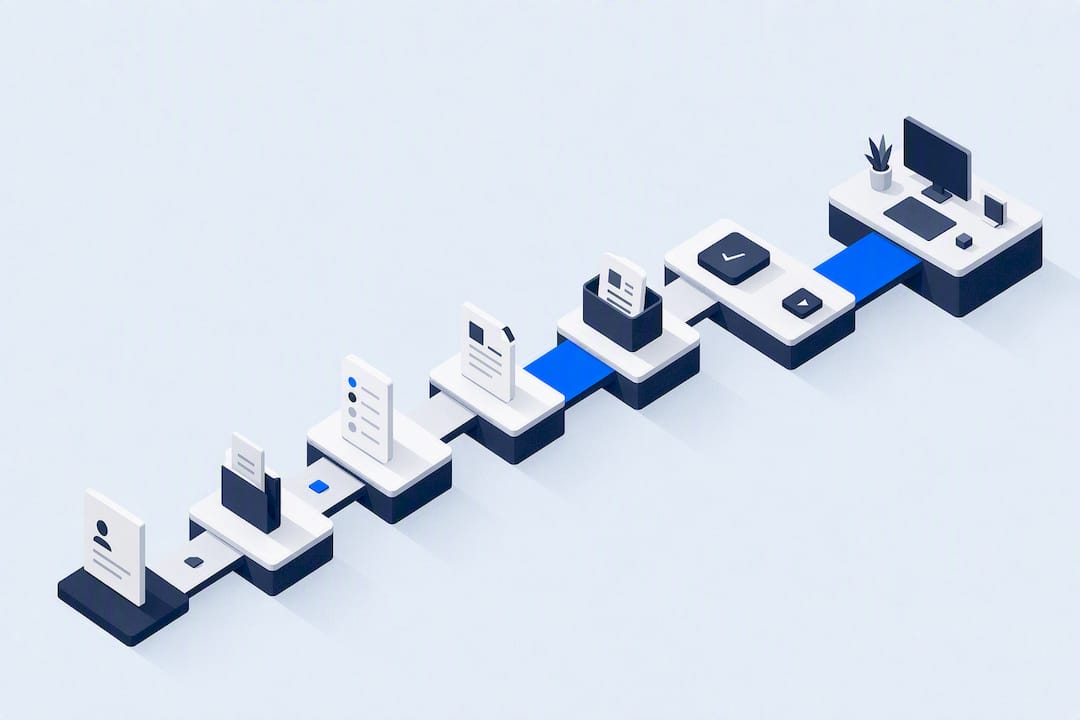
The workflow to aim for:
- Client signs up and receives intake forms.
- Package and payment schedule are assigned.
- Booking access follows payment status.
- Check-ins, plans and progress reviews continue alongside.
- At the end of the schedule, the client renews, upgrades or moves to a membership.
For teams, add roles: who sells packages, who delivers sessions, who follows up on failed payments. One owner per task avoids two coaches messaging the same client about a missed payment.
FITsociety for installments, bookings and memberships

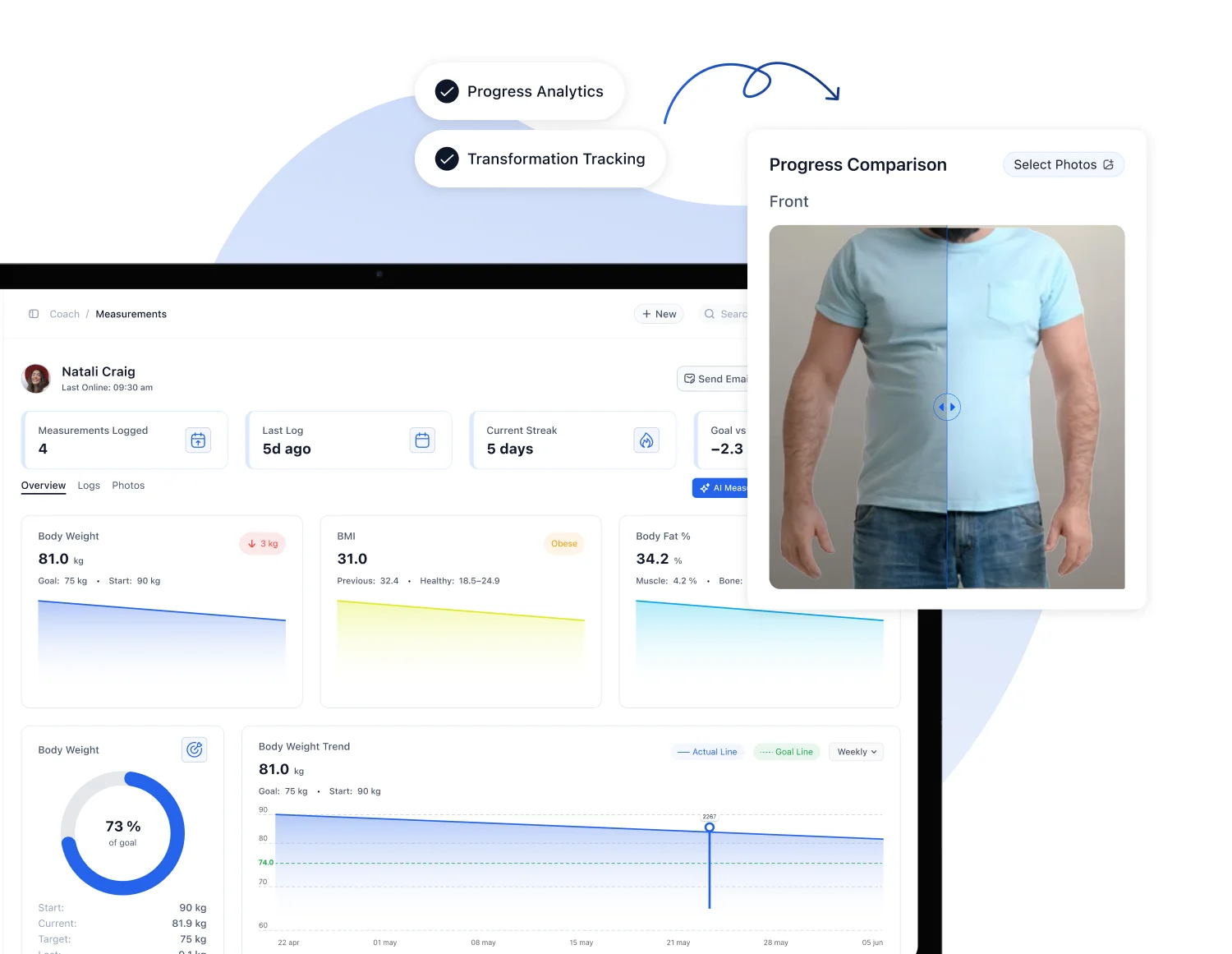
FITsociety is community-driven fitness software for personal trainers, online coaches, studios and gyms. It is developed with feedback from fitness professionals.
Relevant areas:
- Client and member administration
- Intake forms and check-ups
- Training and nutrition plans
- Progress tracking
- Bookings for group classes, small-group sessions, one-to-one appointments and online PT
- Communication
- Memberships and payments
Coaches work in a dashboard. Clients use a portal and mobile apps. For recurring memberships, the help center explains how the payment period works for subscriptions and what automatic renewal means for subscriptions. Read both before setting up billing terms for clients.
Published plans on FITsociety:
| Plan | Price |
|---|---|
| Coach | €179 per month |
| Team | €289 per month |
| Club | €489 per month |
Confirm current plan contents and available payment options on the official site before configuring a schedule.
Checklist before offering installments
- [ ] Package defined: sessions, session types, validity window.
- [ ] Total price set, with any fee included and disclosed.
- [ ] Number of installments and cadence chosen.
- [ ] Final payment falls on or before the last delivered session.
- [ ] Session access linked to payment status.
- [ ] Agreement lists total, amounts, dates, payment method and failed-payment rules.
- [ ] Retry, notice and pause steps written.
- [ ] Cancellation, refund and rescheduling terms written.
- [ ] Card data stored only through a PCI DSS-compliant gateway.
- [ ] Client consent to scheduled charges recorded.
- [ ] Terms reviewed against local law and processor terms.
Agreement template
Adapt this outline with legal review.
Parties and package. Names of coach or business and client. Description of the package: session count, session types, validity period.
Price and schedule. Total price. Number of installments. Amount and due date of each. Fees or interest, if any, stated in currency amounts.
Payment method. Card or bank account on file. Client authorizes scheduled charges for the listed amounts and dates.
Access. Sessions unlock as each installment clears, in the stated portions.
Failed payments. Retry timing. Notice method. Pause of unlocked-but-unpaid sessions. Final notice deadline.
Cancellation and refunds. Terms before and after delivery starts. Treatment of unused sessions and remaining installments.
Rescheduling. Notice window. Forfeiture rule. Coach-side cancellations.
Signatures and date.
FAQ
What is a payment plan installment?
It is one scheduled payment within a payment plan. The total price is agreed up front and divided into smaller payments over time. Each installment reduces the remaining balance.
Are installment payments a good idea for a coaching business?
They lower the barrier for clients on higher-priced programs. They also add collection risk, since part of the work may be delivered before it is paid. Linking session access to payment status and writing failed-payment rules in advance keeps that risk contained.
What is the difference between prepaid bookings and installments?
A prepaid booking is paid in full before sessions are booked against the balance. An installment plan splits payment across a schedule while delivery continues. Both can be combined by unlocking sessions as each installment clears.
What should a payment plan agreement include?
Total price, installment amounts and dates, the card or bank account on file, and what happens if a payment fails. Add session validity, cancellation, refund and rescheduling terms.
Sources
- What Is a Payment Plan? A Guide for Businesses | Stripe
- Personal Training Package Payment: Expiration and Payouts | MannyPay