For most coaches, device-level sync is the workable path: MyFitnessPal writes nutrition data to Apple Health or Health Connect, and a coaching platform or SDK reads it from there. Direct access to MyFitnessPal’s own API is not an option for most teams, since it is private and approval-only. Client consent and app permissions need checking before any data flows.
TL;DR:
- Most coaches should rely on device-level sync with Apple Health or Health Connect, as MyFitnessPal’s private API is inaccessible for most platforms.
- Sync cadence impacts coaching: real-time or same-day updates support daily adjustments, while weekly batches suit trend analysis but delay interventions.
- Setting up and verifying permissions during onboarding prevents unnoticed sync failures that could affect client progress tracking.
- Device SDKs like Sahha enable reading nutrition data across different loggers without depending on MyFitnessPal approval, offering greater flexibility.
- A trend-based review approach, rather than daily perfection checks, helps catch plateaus early and improves coaching responsiveness.
What data MyFitnessPal shares and how it reaches a coaching dashboard
MyFitnessPal’s food diary logs calories and macronutrients. Depending on what the client tracks, fiber, sodium, and cholesterol may also be present.
Two paths carry that data into a coaching tool:
- Direct cloud API access. Reserved for approved partners; most coaching platforms do not have this.
- Device-level sync. MyFitnessPal writes diary entries to Apple Health or Health Connect, and an SDK or platform integration reads them from there instead of from MyFitnessPal’s servers.
Sahha’s documentation confirms that MyFitnessPal pushes calories, protein, carbs, fat, fiber, sugar, and sometimes sodium and cholesterol to Apple Health and Health Connect, where device-level SDKs normalize the fields.
Sync cadence matters for coaching decisions. Real-time or same-day sync supports daily check-ins and quick corrections. Daily-batch sync is fine for weekly trend reviews but too slow for same-day feedback on a missed macro target. Match the cadence to the workflow: daily accountability needs faster sync, weekly programming reviews do not.
Coach workflows built around MyFitnessPal data
Nutrition data only helps if it plugs into a repeatable process. A few workflows cover most coaching needs.
- Set targets in the coaching plan, then confirm they match the client’s app. Calorie and macro goals set in a training plan should mirror what the client enters in MyFitnessPal, or the compliance numbers will not line up.
- Run compliance checks on a cadence, not constantly. Check sync status and percent-of-days-logged weekly rather than daily; single missed entries are noise.
- Read trends, not individual days. A client under target on a Tuesday means nothing. A client under target four days running across two weeks means the plan or the check-in conversation needs to change.
- Spot-check the diary occasionally. Automated percentages can hide poor food choices inside a technically compliant calorie count.
Onboarding sets the foundation. Ask clients to enable Apple Health or Health Connect sync from within MyFitnessPal, confirm the coaching platform has permission to read that data, and verify a test entry appears before the first check-in.
Pro Tip: Ask new clients to log one full day before their first session so you can confirm the sync works before you both rely on it.
Choosing between the API, device SDKs, and MCP connectors
Three technical routes exist, and they are not equally practical for most coaches.
- Official MyFitnessPal API. Private and approval-only, reached through direct contact with MyFitnessPal. Suitable for larger platforms with a formal partnership, not for most independent coaching setups.
- Device-level SDKs (Sahha and similar). Read what MyFitnessPal already writes to Apple Health and Health Connect, normalize the fields, and work regardless of which nutrition app the client actually uses.
- MCP servers and unofficial API wrappers. Third-party projects exist that scrape or reconstruct MyFitnessPal sessions using stored cookies. These can work but depend on access methods that MyFitnessPal has not sanctioned and that can break without notice.
MyFitnessPal’s developer portal states plainly that interested developers must contact the company directly for API access, which rules out casual integration for most coaching software.
For most coaches, a device-level SDK approach, or a coaching platform that already supports one, is the more durable choice. It does not depend on MyFitnessPal approving a partnership, and it tends to simplify the consent flow since permissions are granted natively on the client’s phone rather than through a third-party login. Direct API access makes sense only when a platform has secured that partnership and needs guaranteed, structured access beyond what device sync provides.
Setting up and testing the connection with clients
A working integration depends on a few configuration steps and a quick verification pass.
Client-side setup:
- Confirm the client’s MyFitnessPal account type and that diary logging is active.
- Enable Apple Health sync (iOS) or Health Connect sync (Android) from within the MyFitnessPal app settings.
- Recommend a dedicated email for the account and discourage social logins, since privacy audits have flagged broad third-party data sharing tied to account settings.
Coach and platform validation:
- Confirm the connection or webhook is delivering data, not just authorized.
- Map diary fields (calories, protein, carbs, fat) to the correct dashboard metrics.
- Check timezone settings and units (grams versus ounces) before trusting the numbers.
Common issues include permission toggles reverting after an app update, sync delays of a few hours, duplicate entries from double-logging, and timezone mismatches that shift a meal to the wrong day. A simple test: log one meal in MyFitnessPal, force a sync, and confirm it appears in the coaching dashboard within the expected window, typically same day.
How FITsociety fits into a MyFitnessPal-based nutrition workflow
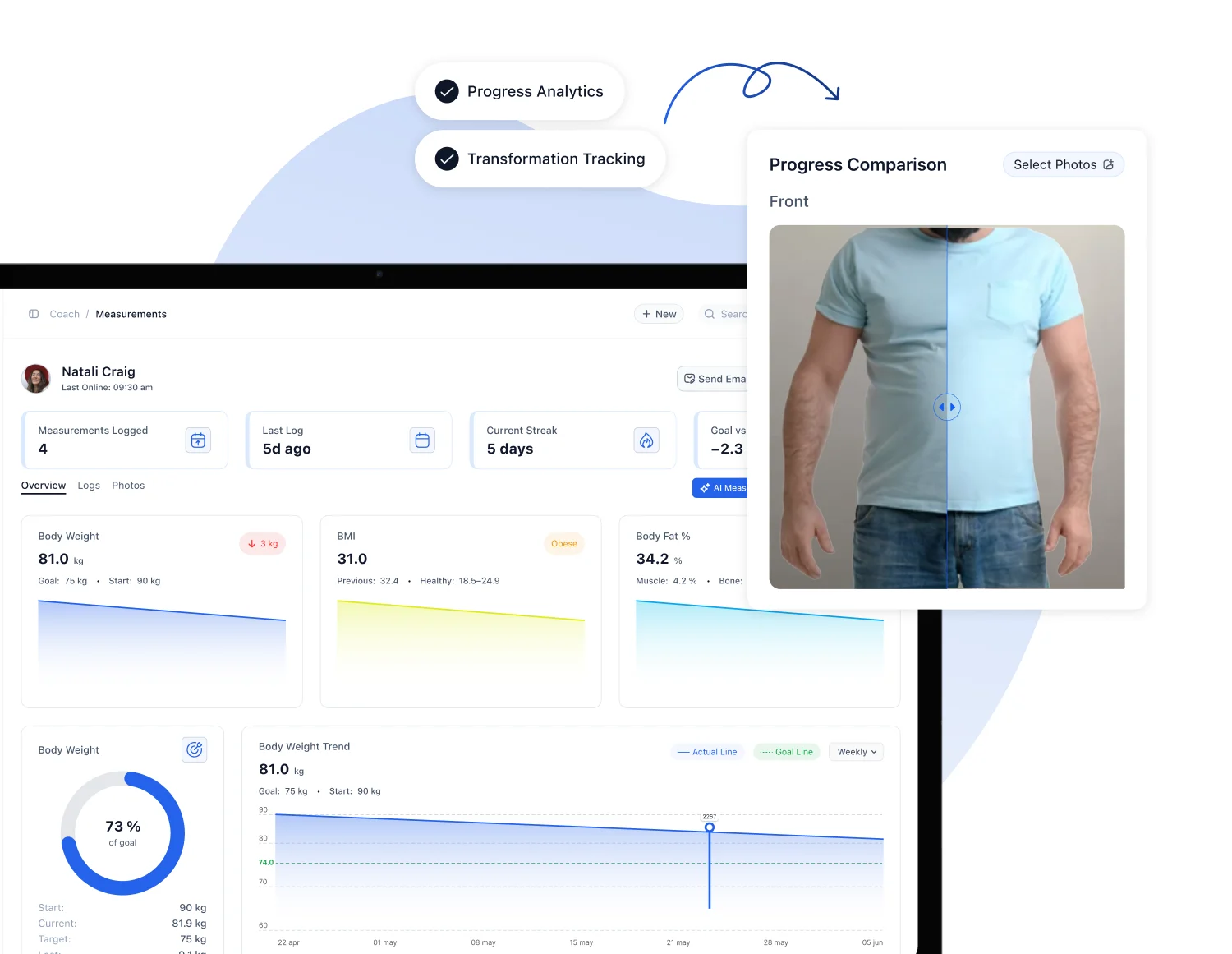
FITsociety centralizes nutrition plan templates, check-ins, and progress tracking in one coach dashboard, alongside its booking calendar for group classes, small-group sessions, and online PT.
A public API and MCP support are available for connected coaching workflows. Coaches building an integration should verify the exact endpoints, supported actions, and plan-level access before implementation, based on official documentation.
A typical workflow looks like this:
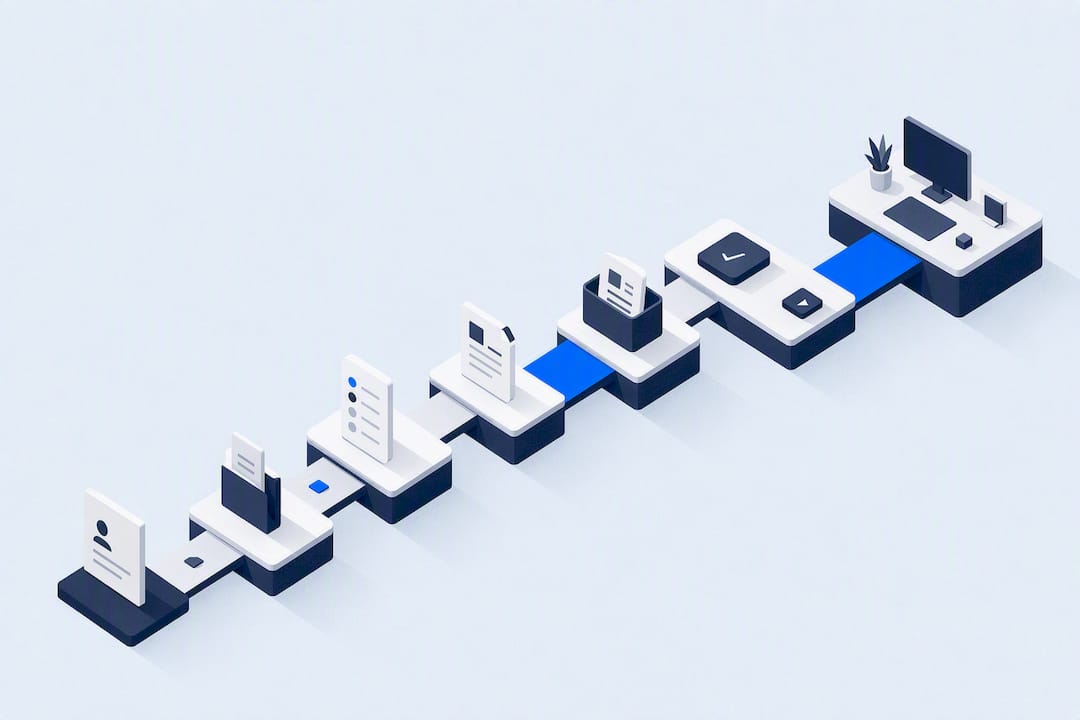
- Client enables Apple Health or Health Connect sync inside MyFitnessPal.
- A connected SDK or integration normalizes that data into fields FITsociety’s nutrition tracking can display.
- The coach reviews weekly trends inside the FITsociety dashboard and adjusts the nutrition prescription accordingly.
API and MCP access can vary by plan tier (Coach, Team, or Club), so confirming plan-level access before building a workflow around it avoids surprises. FITsociety’s coaching overview covers plan structure in more detail.
What working MyFitnessPal integrations look like in practice
Coaches who build compliance checks around weekly trends, rather than daily perfection, tend to catch plateaus earlier. A client whose logged protein drops steadily over three weeks, even while staying near their calorie target, is a signal worth a check-in before performance stalls.
The pattern that works across most successful setups is consistent: sync verified at onboarding, a fixed weekly review cadence, and adjustments driven by trend lines instead of single missed days. Coaches who skip the onboarding verification step tend to discover sync failures weeks in, once a client’s “non-compliance” turns out to be a permission that silently reverted after a phone update.

MyFitnessPal’s own product direction supports this shift toward higher-level coaching. Its 2026 Summer Release added an AI Coach that gives members personalized guidance directly from their logged diary. That kind of built-in feedback loop reduces the need for coaches to answer routine logging questions, freeing time for programming decisions, accountability conversations, and adjustments that a generic in-app assistant cannot make.
Tools that sharpen what MyFitnessPal data can tell a coach
MyFitnessPal covers logging well, but a few complementary approaches fill in gaps.
Device-level SDKs built for cross-app aggregation, the same pattern Sahha applies to Cronometer, let a coaching platform read nutrition data regardless of which app a specific client prefers. That matters for coaches whose client base is split between MyFitnessPal, Cronometer, or other loggers, since it avoids forcing everyone onto one app.
For coaches who want more than raw macros, MyFitnessPal’s own Nutrition Coach feature uses diary entries, goals, and saved meals to answer client questions inside the app itself. That can reduce simple questions reaching the coach, though it works only within MyFitnessPal and does not replace a coach’s judgment on programming.
Habit and check-in tools that sit alongside nutrition tracking, covering sleep, training load, or subjective readiness, give trend data more context. A calorie deficit paired with poor sleep and rising fatigue tells a different story than the same deficit with normal recovery markers. The goal is not adding more apps for their own sake, but choosing the smallest set that closes a genuine gap in what MyFitnessPal alone reports.

FITsociety’s approach to unified nutrition and coaching data
Coaches juggling MyFitnessPal exports, a separate booking tool, and a spreadsheet for check-ins lose time to reconciliation instead of coaching. FITsociety keeps nutrition plans, check-ins, and progress tracking in one dashboard, alongside the booking calendar for group classes, small-group sessions, one-to-one appointments, and online PT, plus Google Calendar and Outlook/Microsoft 365 sync for scheduling.
For coaches building a connected nutrition workflow, a public API and MCP support can enable integration with the tools already in a client’s routine. As a community-driven platform, development continues with input from working coaches, though not every community request becomes a shipped feature.
Coaches ready to explore this can review the nutrition software page for current plan details and setup guidance before connecting a client’s first account.
Sources
- MyFitnessPal integration — Sahha
- How MyFitnessPal’s 2026 summer release helps members know what to do next — MyFitnessPal newsroom
- MyFitnessPal privacy audit 2024–2026 — SelfHostedNutrition
FAQ
What is the biggest downside of MyFitnessPal for coaches?
The main limitation is API access: MyFitnessPal’s developer API is private and requires approval, so most coaching platforms cannot connect directly. An independent privacy audit also found broad third-party data sharing, which coaches should factor into client consent conversations.
What has changed with MyFitnessPal recently?
MyFitnessPal’s 2026 Summer Release added an AI Coach and Plan Tab that give members personalized guidance based on their own logged diary. This shifts some routine feedback away from manual coach replies and toward the app itself.
What nutrition software works best for coaches?
The best fit depends on whether a coach needs standalone tracking or a platform that unifies nutrition with scheduling and client management. FITsociety combines nutrition plans, check-ins, and progress tracking with its booking calendar and public API, which suits coaches who want fewer separate tools.
How do coaching platforms connect to MyFitnessPal data?
Most connect at the device level, reading data that MyFitnessPal writes to Apple Health or Health Connect rather than using MyFitnessPal’s own API, which Sahha’s integration documents in detail. This route works without needing MyFitnessPal’s direct approval, since it relies on permissions granted through the phone’s health platform.
How do I know if a client’s MyFitnessPal sync is actually working?
Log a test meal in the client’s MyFitnessPal app, then check whether it appears in the connected dashboard within the expected sync window, usually the same day. If it does not appear, recheck the Apple Health or Health Connect permission toggles first, since those commonly reset after app updates.