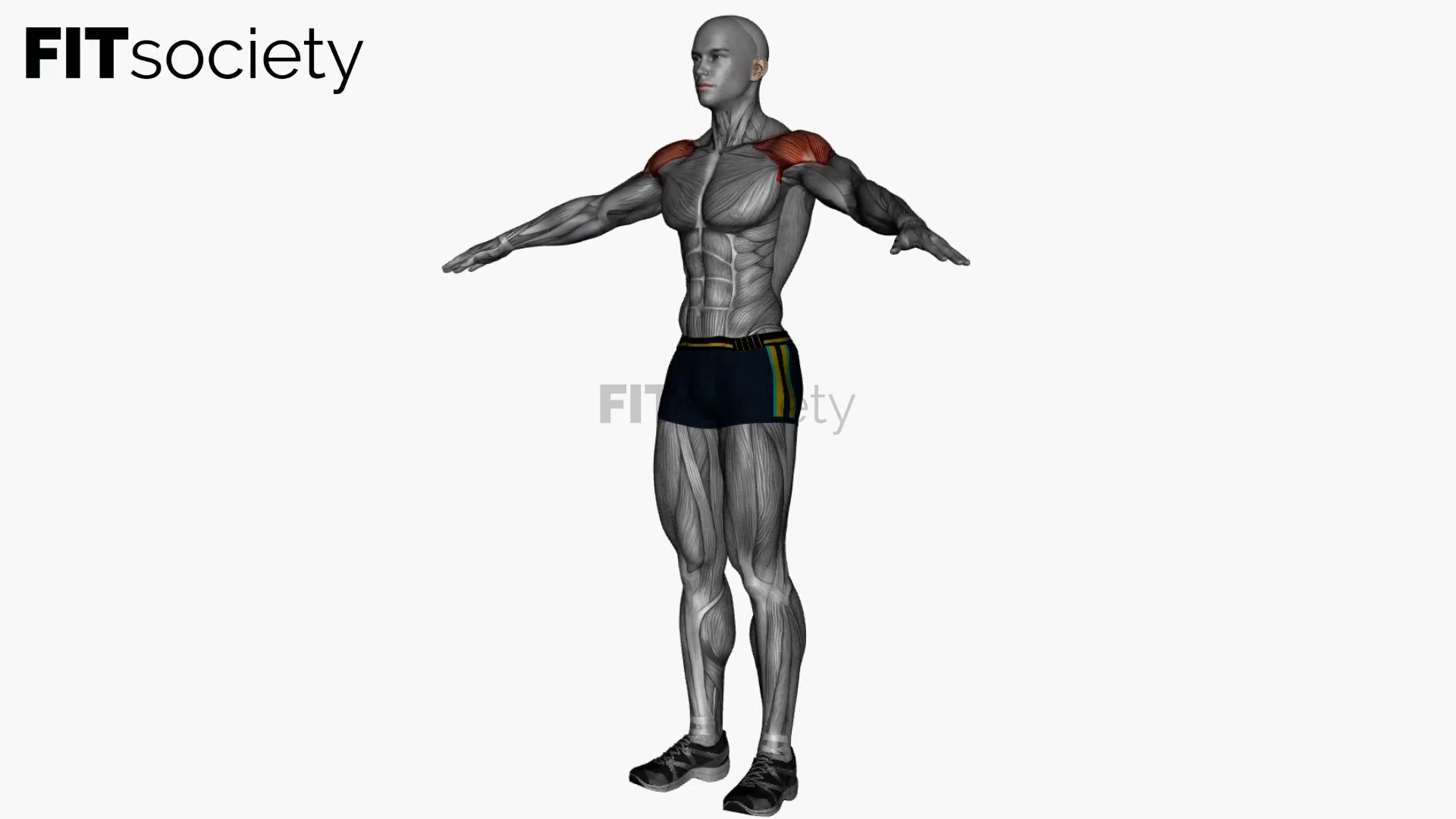
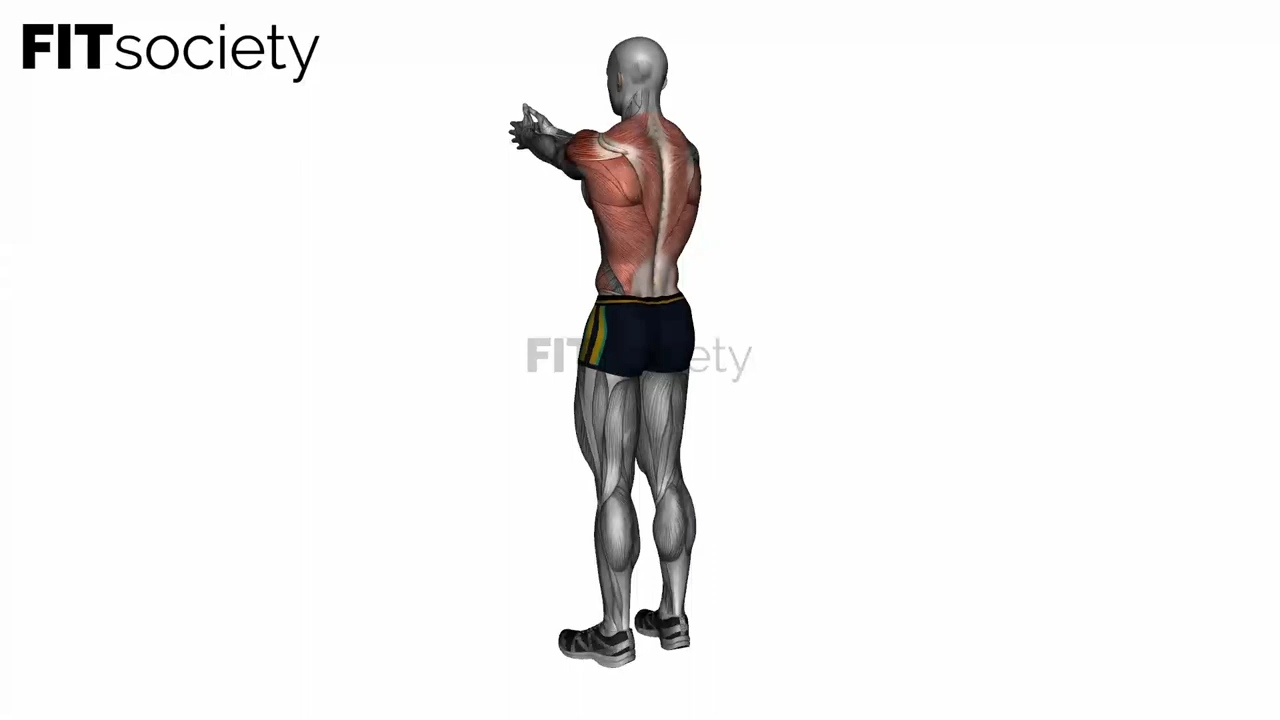
Cable Shrugs
Do you want strong, well-developed shoulders? Try Cable Shrugs. This exercise is ideal for strengthening your trapezius muscles, which extend from your neck to the middle of your back. Cable Shrugs provide constant tension throughout the movement, which may make them more effective than dumbbell or barbell shrugs.
Execution
-
1
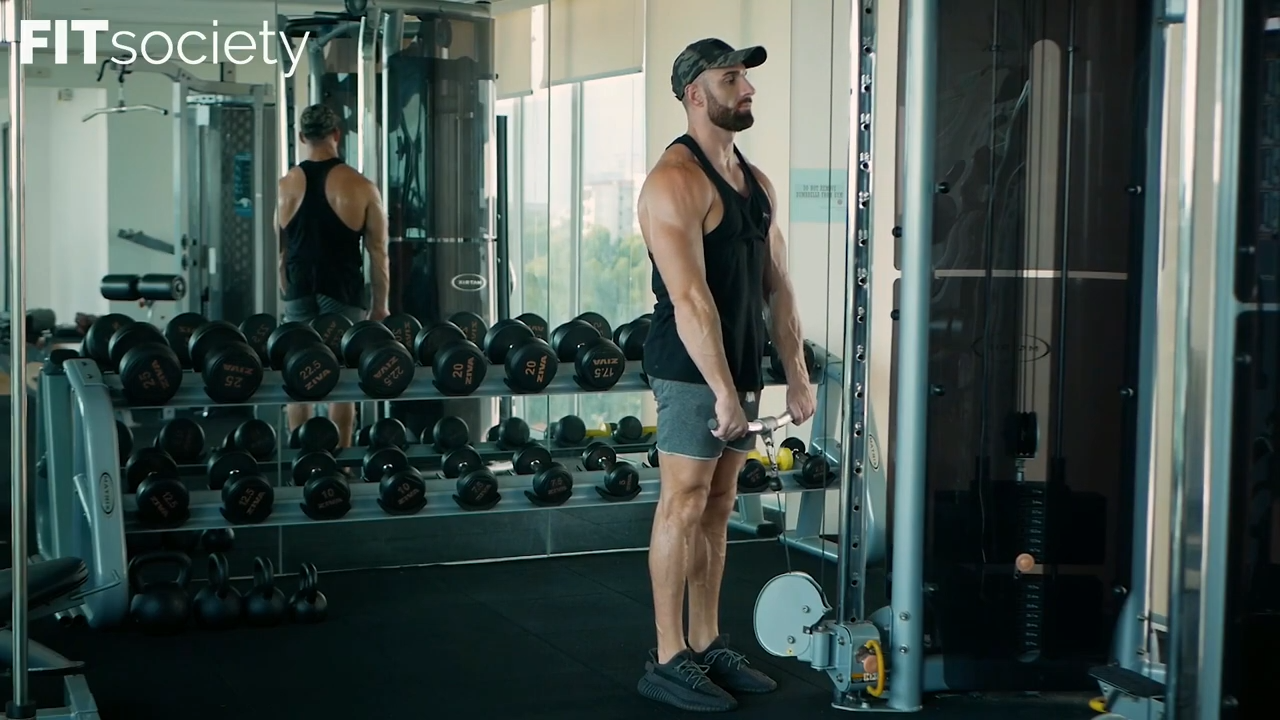
Set the cable machine to the lowest position and attach a straight bar or rope.
-
2
Stand with your feet shoulder-width apart and grip the bar or rope with both hands.
-
3
Keep your arms straight and your back upright.
-
4
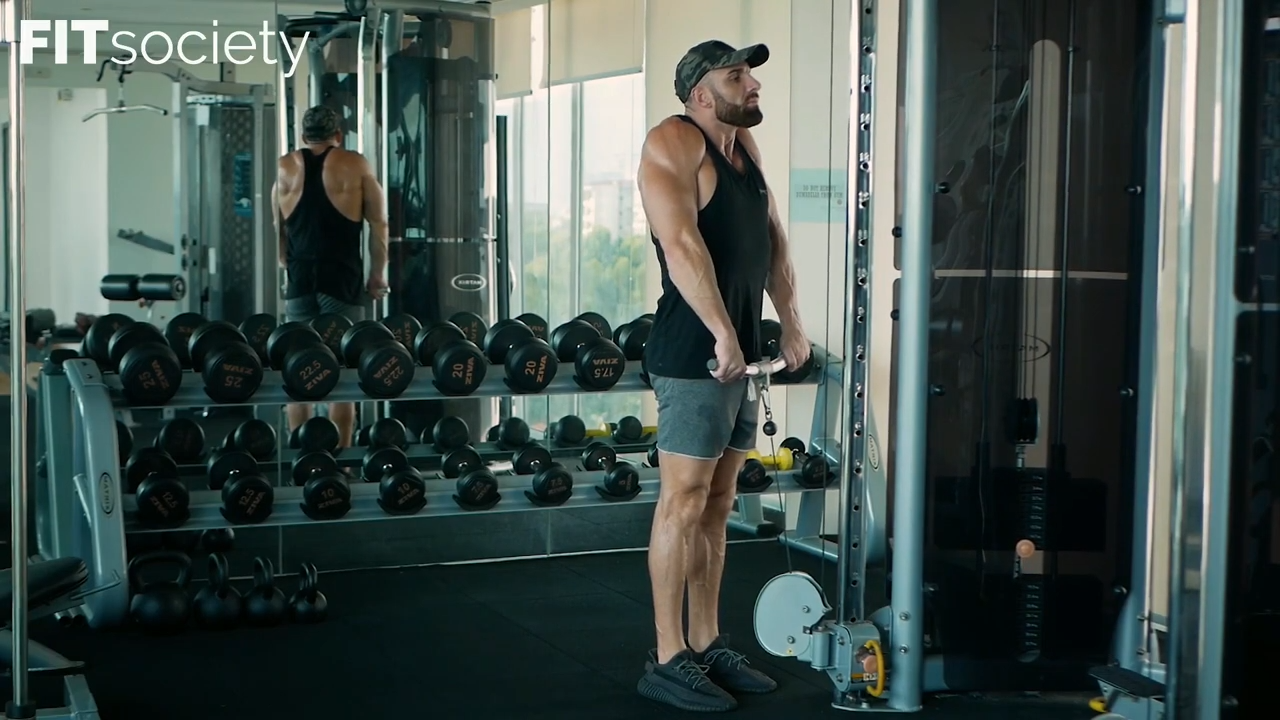
Shrug your shoulders as high as possible toward your ears and hold this position briefly.
-
5
Slowly and controllably lower your shoulders back to the starting position.
-
6
Repeat for the desired number of repetitions.
Benefits
- Improved muscle definition and mass in the trapezius.
- Increased strength in the shoulders and upper back.
- Better posture and neck support.
- Reduced risk of shoulder and neck injuries.
Common Mistakes
- ! Lowering the shoulders too quickly: use a controlled movement.
- ! Using too much weight: this can lead to poor form and potential injuries.
- ! Not shrugging fully upward: it is important to complete the full movement for maximum effectiveness.
Primary Muscles
The primary muscle group trained with Cable Shrugs is the trapezius. This large muscle group helps elevate your shoulders and stabilize your neck and upper back.
Possible Alternatives
- Try dumbbell shrugs for a variation that requires more stabilization.
- Barbell shrugs are a good option if you want to lift heavier weights.
- Use a trap bar for a different grip and a slightly different movement angle.
Run your fitness business with more structure
- Planning, member management and coaching in one platform
- Built for coaches, studios and gyms
- Fewer separate tools, more overview