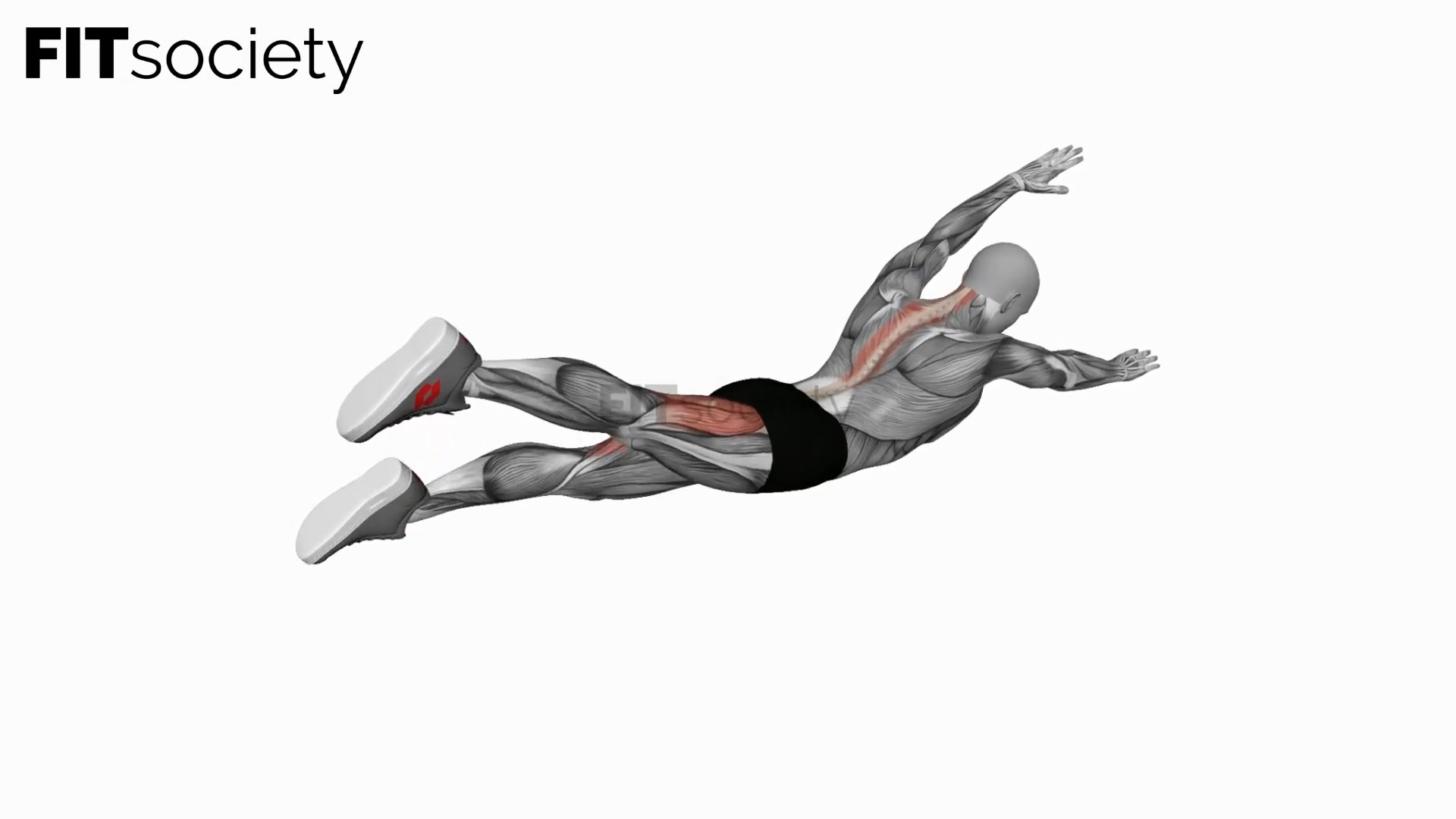
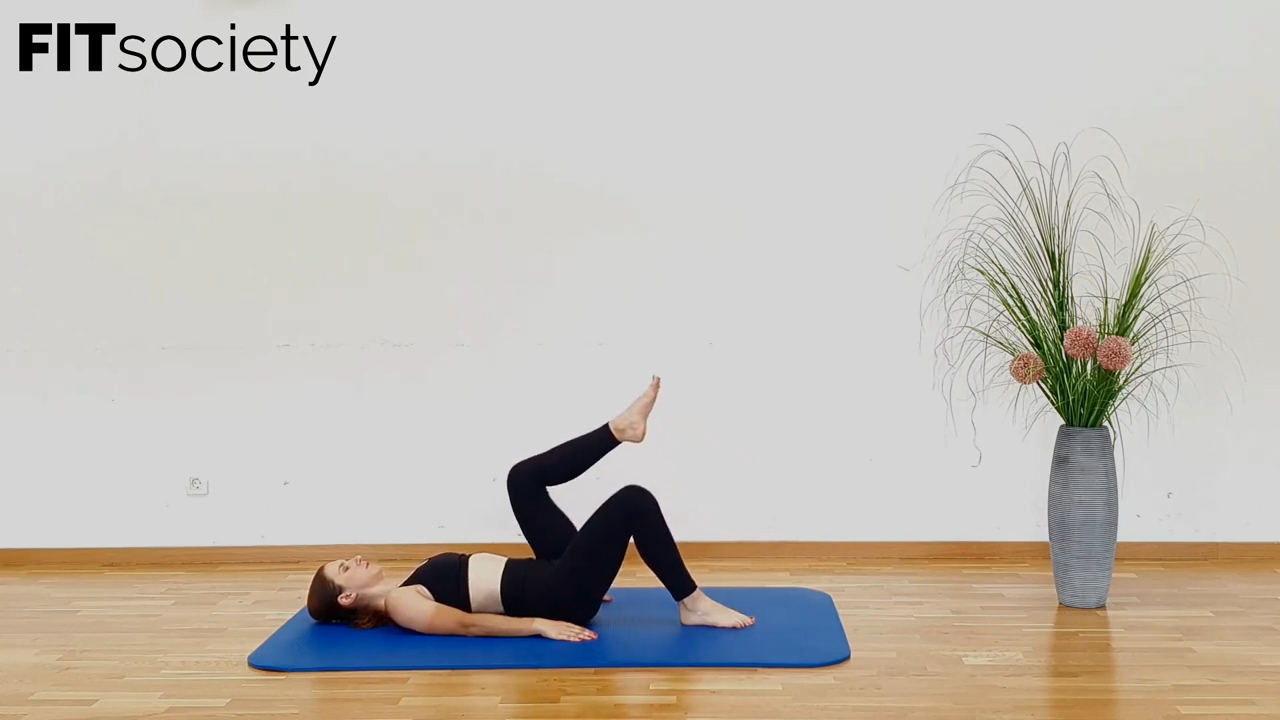
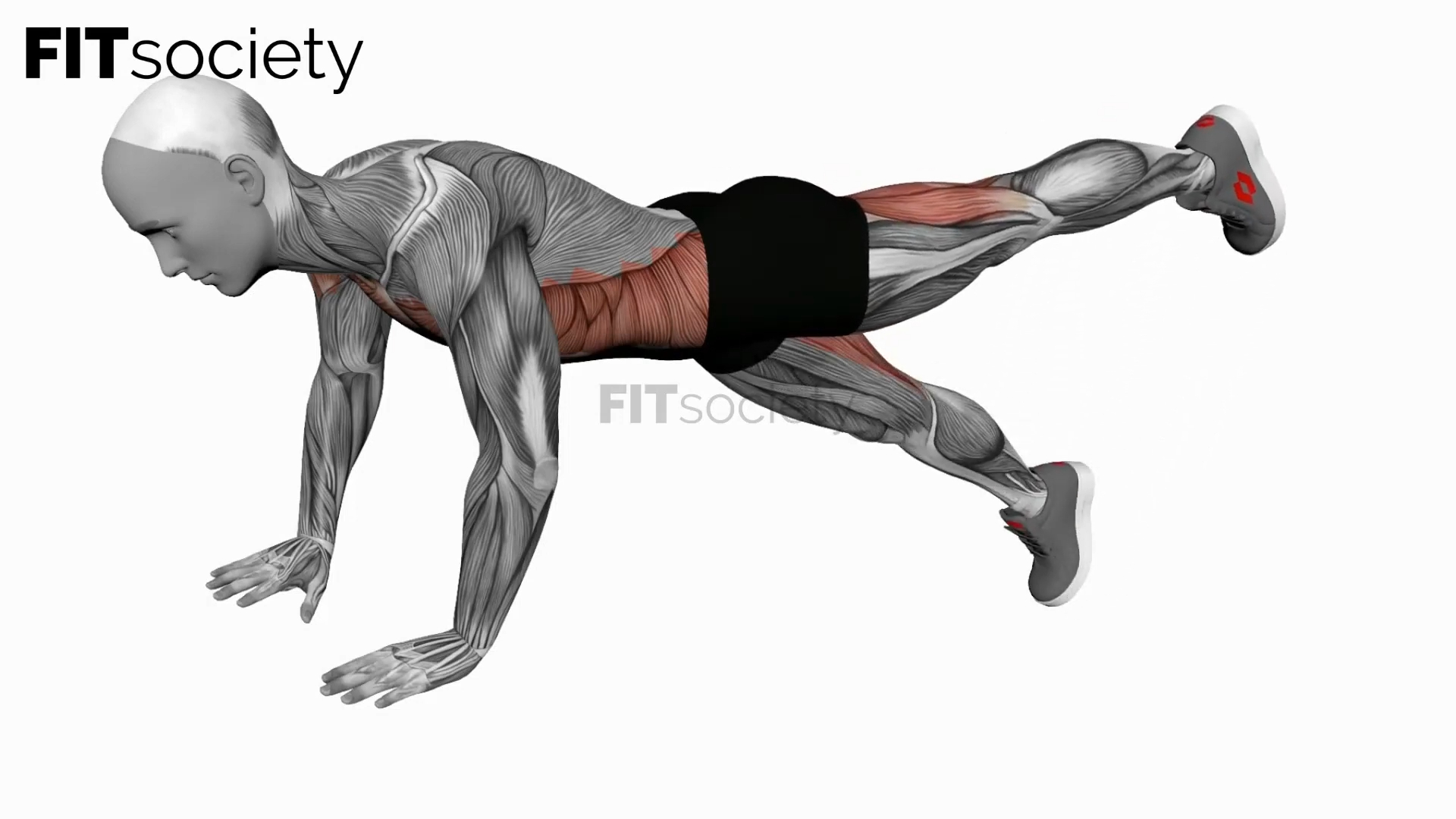
Dynamic Back Stretch
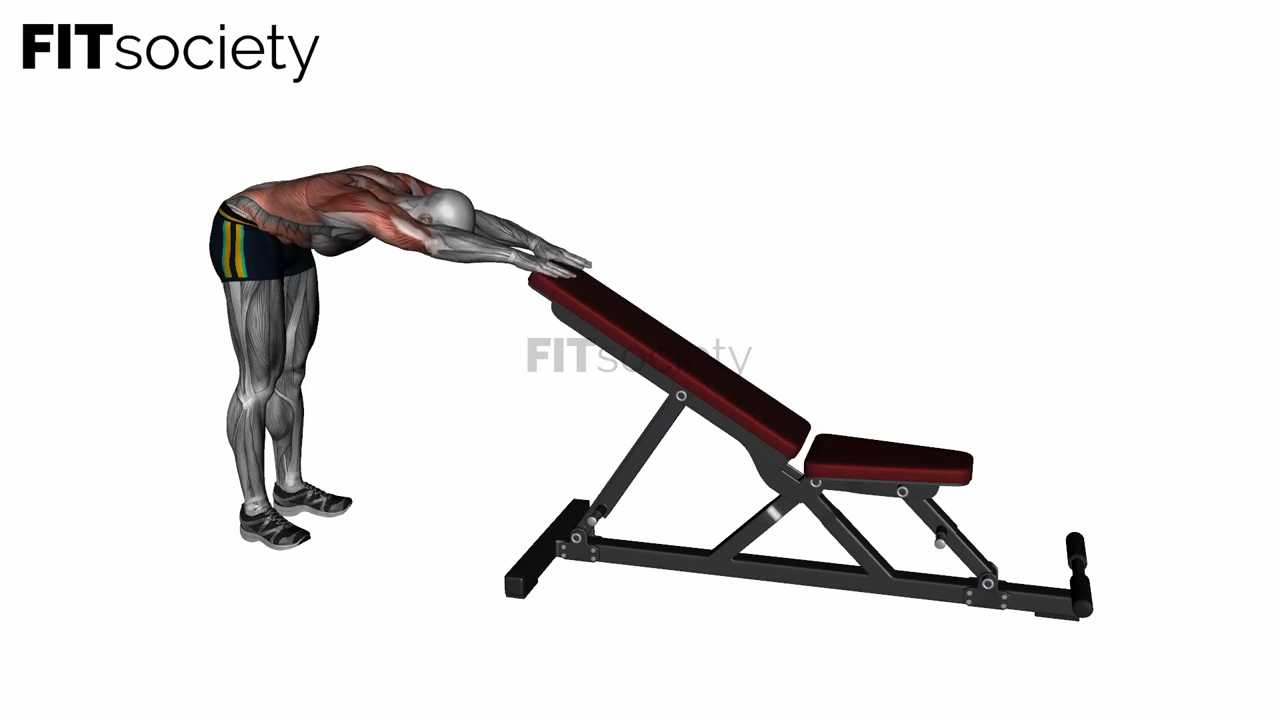
The Dynamic Back Stretch is a flexibility exercise focused on improving range of motion and reducing stiffness in your back. This exercise helps loosen your back muscles and promote better posture.
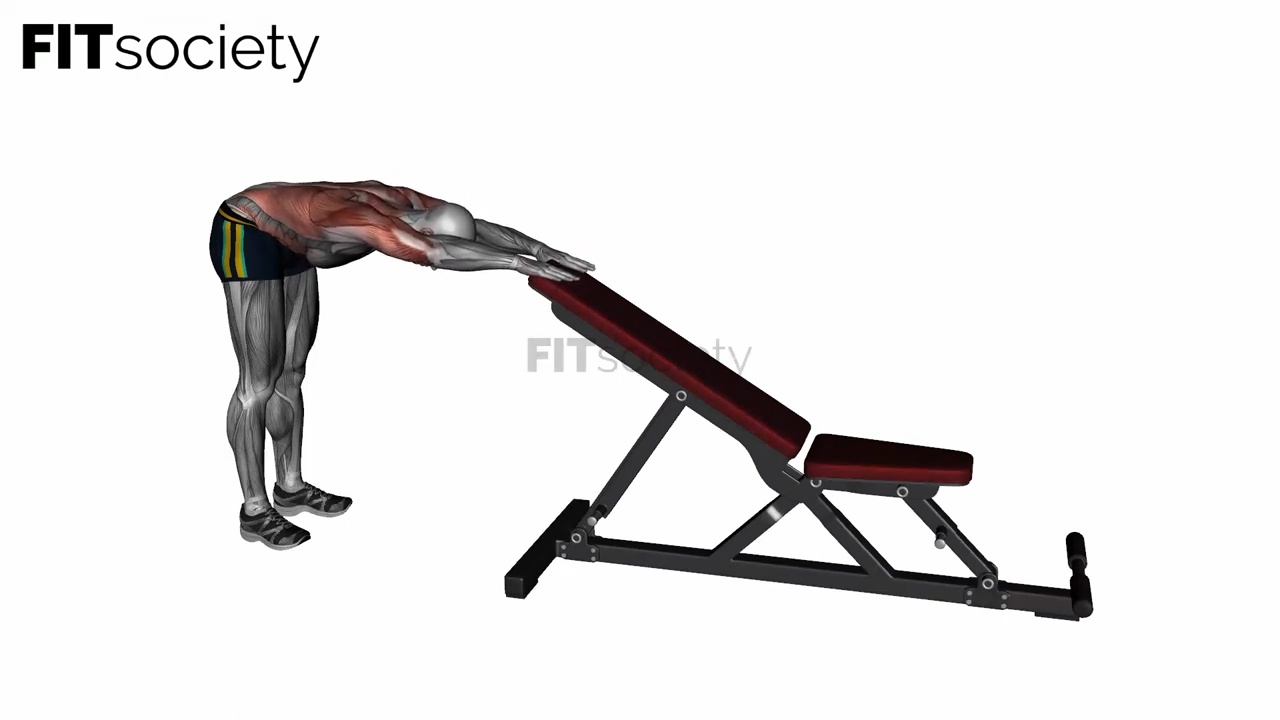
Execution
-
1
Begin in a standing position with your feet shoulder-width apart.
-
2
Place your hands on your lower back with your fingers pointing downward.
-
3
Slowly lean backward, push your hips forward while lifting your chest toward the ceiling. Keep your knees slightly bent.
-
4
Hold this position for a few seconds, then slowly return to the starting position.
-
5
Repeat the exercise 10–15 times for the best results.
Benefits
- Improves the flexibility and range of motion of the back.
- Helps reduce back pain and stiffness.
- Promotes better posture by strengthening the back muscles.
- May help prevent future back problems.
Common Mistakes
- ! Moving too quickly: Make sure to perform the movement slowly and in a controlled manner.
- ! Leaning too far backward: Do not force yourself into a position that feels uncomfortable.
- ! Fully extending the knees: Keep your knees slightly bent to reduce pressure on your lower back.
Primary Muscles
This exercise primarily targets the erector spinae, the muscle group that runs along your spine. It also lightly engages the muscles in your lower back, glutes, and hamstrings.
Possible Alternatives
- If the standard version is too intense, try performing the exercise seated on a chair.
- For more intensity, you can perform the exercise while holding a light weight plate against your chest.
- Another variation is to perform the exercise lying on the floor while pulling your knees toward your chest.
Run your fitness business with more structure
- Planning, member management and coaching in one platform
- Built for coaches, studios and gyms
- Fewer separate tools, more overview