Tabletop Single-Leg Tap, Head Up
The Tabletop Single-Leg Tap, Head Up is a dynamic exercise that focuses on improving your core stability, balance, and coordination. By performing this exercise regularly, you not only work toward a strong core but also improve your posture and reduce the risk of back problems.
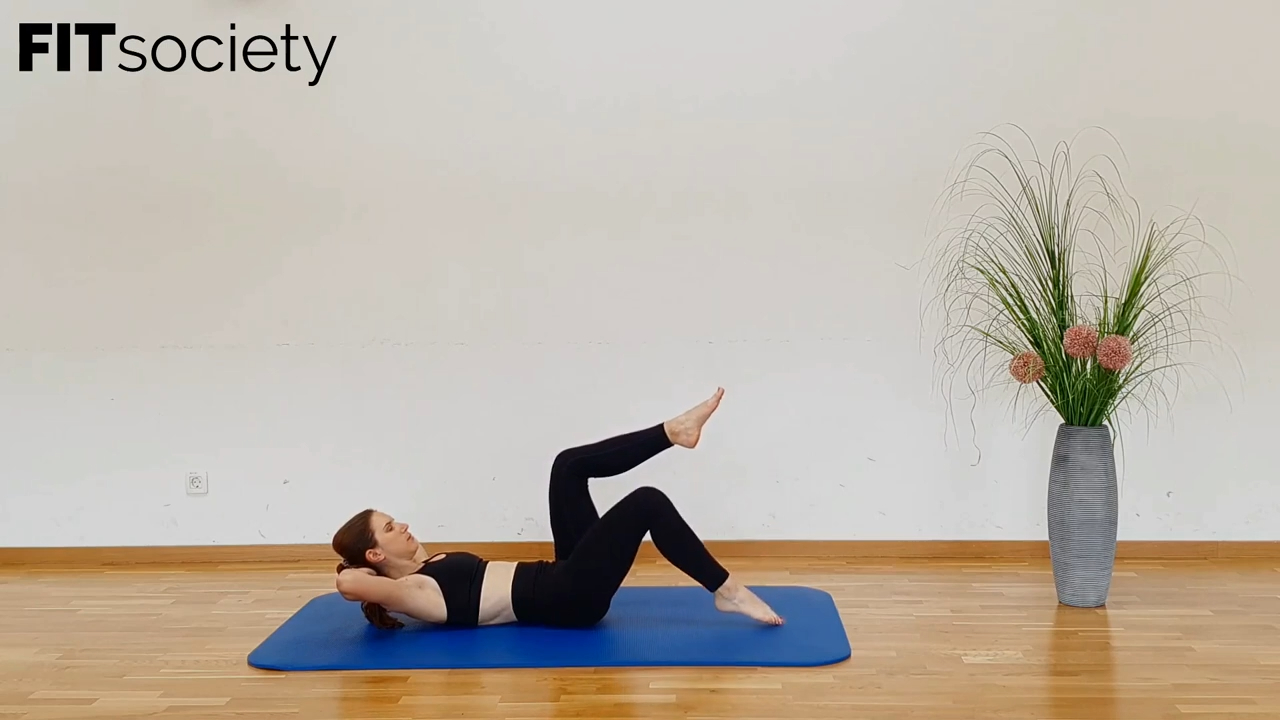
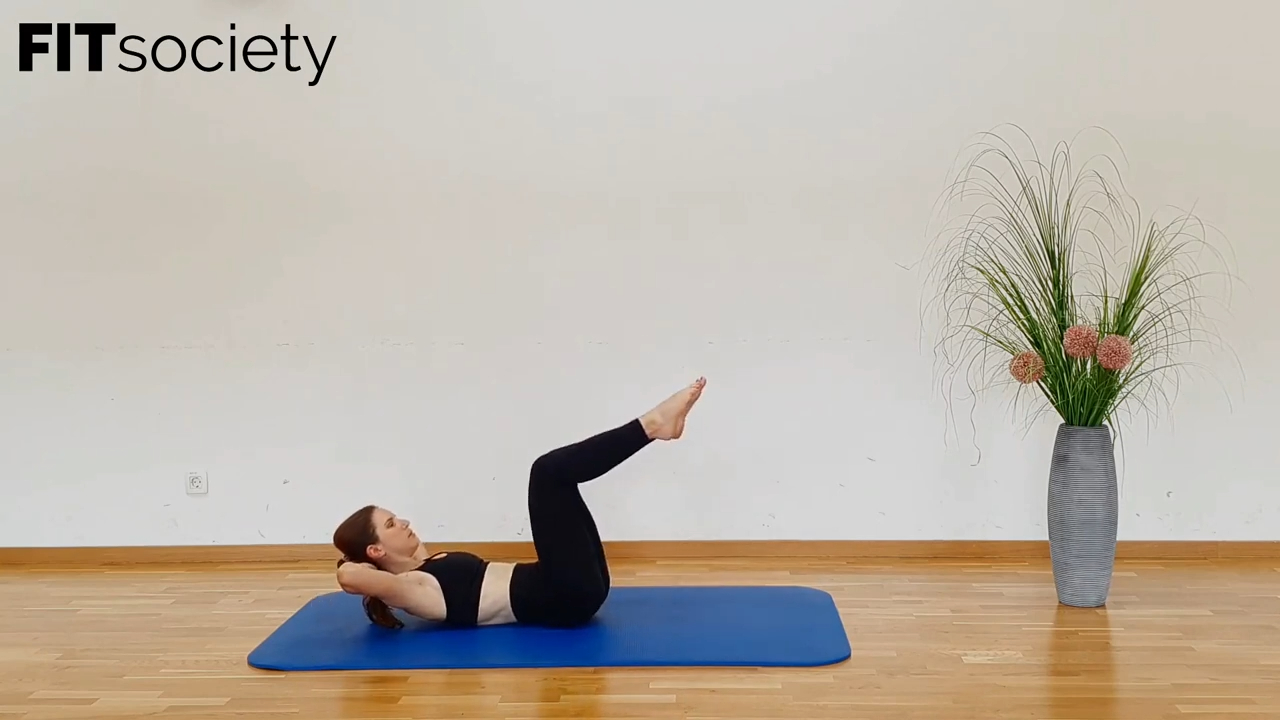
Execution
-
1
Begin in a tabletop position on your hands and knees, with your knees directly under your hips and your hands directly under your shoulders. Keep your back straight and your head aligned with your spine.
-
2
Engage your core by drawing your navel toward your spine.
-
3
Lift one leg and extend it straight behind you while keeping the other leg bent.
-
4
While keeping your leg extended, gently tap the ground with the toes of the lifted leg.
-
5
Raise your leg back to the starting position and repeat the movement.
-
6
Switch legs after a set of repetitions.
Benefits
The Tabletop Single-Leg Tap, Head Up offers several benefits. It not only strengthens your core, which is essential for good posture and preventing back pain, but also improves your balance and coordination. In addition, it is a safe exercise for beginners or people with back problems because the load on the lower back is minimal.
Common Mistakes
- ! Not keeping your back straight: Make sure your back remains in a neutral position throughout the exercise to prevent pressure on your lower back.
- ! Not engaging your core: It is important to keep your core muscles active during the exercise to maximize effectiveness and prevent injuries.
- ! Moving too quickly: Perform the movement slowly and with control to activate the correct muscles and get the most out of the exercise.
Key Muscles
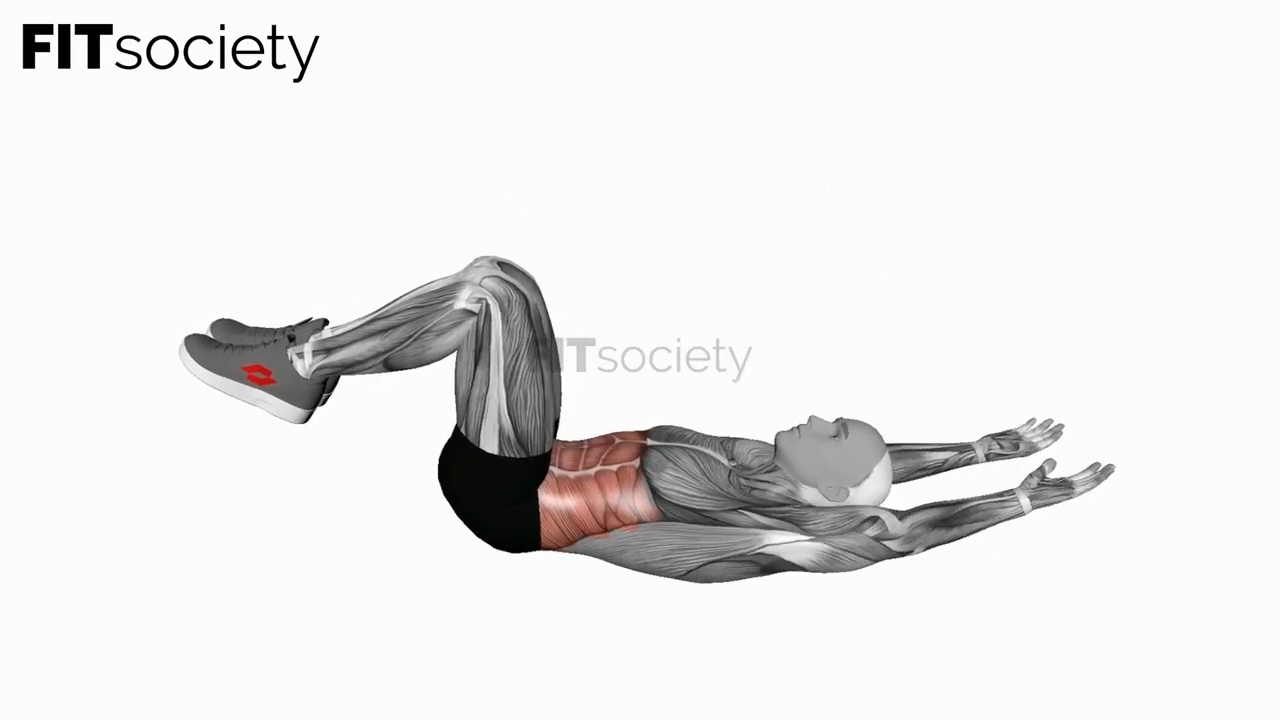
This exercise primarily targets the core muscles, including the rectus abdominis, obliques, and deeper transversus abdominis. The muscles in your lower back, glutes (gluteus maximus), and the backs of your thighs (hamstrings) are also trained.
Possible Alternatives
To adjust the intensity of the exercise, you can try different variations:
- Add a resistance band around your thighs to make the exercise more challenging.
- Try the exercise with your hands on an elevated surface to reduce pressure on your wrists.
- For a less intensive variation, keep both knees on the ground and perform the arm lift instead of the leg lift.
Run your fitness business with more structure
- Planning, member management and coaching in one platform
- Built for coaches, studios and gyms
- Fewer separate tools, more overview