Standing Side Bend Stretch
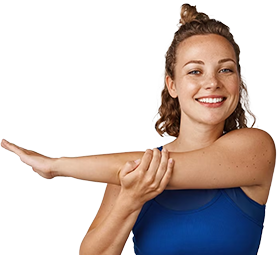
Do you want to stretch and strengthen your side muscles effectively? The Standing Side Bend Stretch is a simple but powerful exercise that helps you develop flexibility and strength in your side muscles. This exercise is ideal for anyone who wants to strengthen their core while also working on better posture.
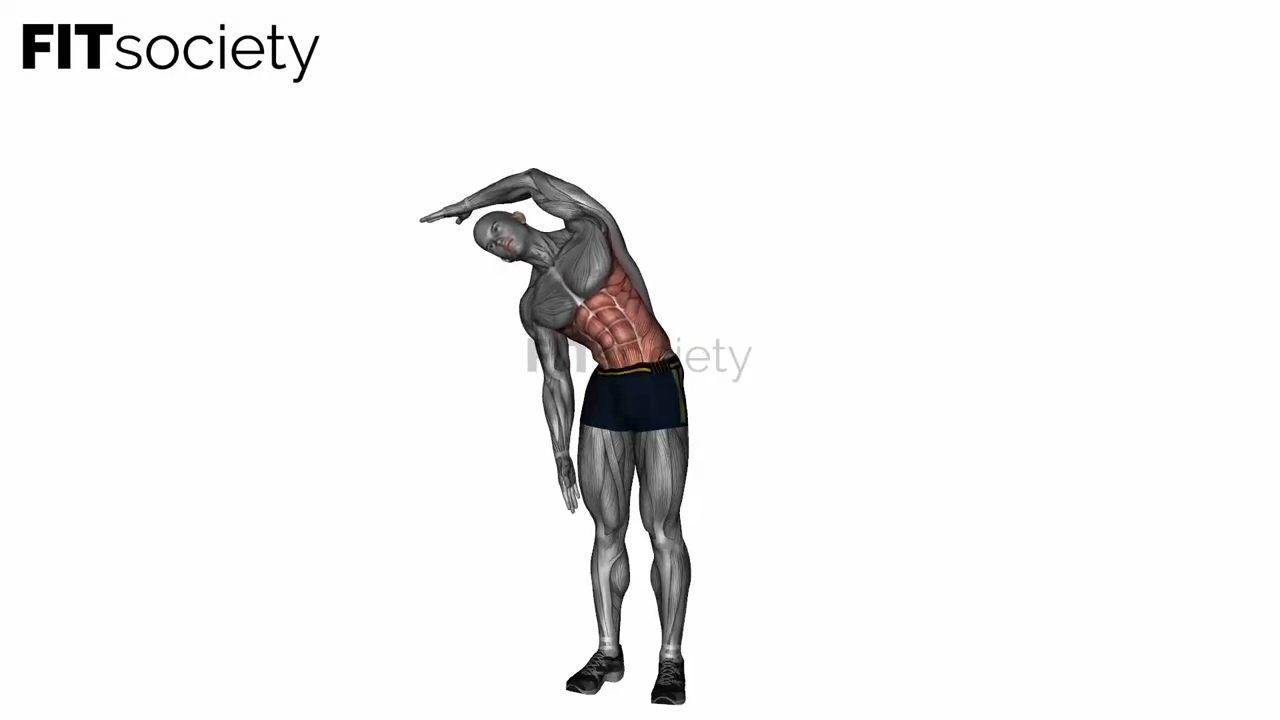
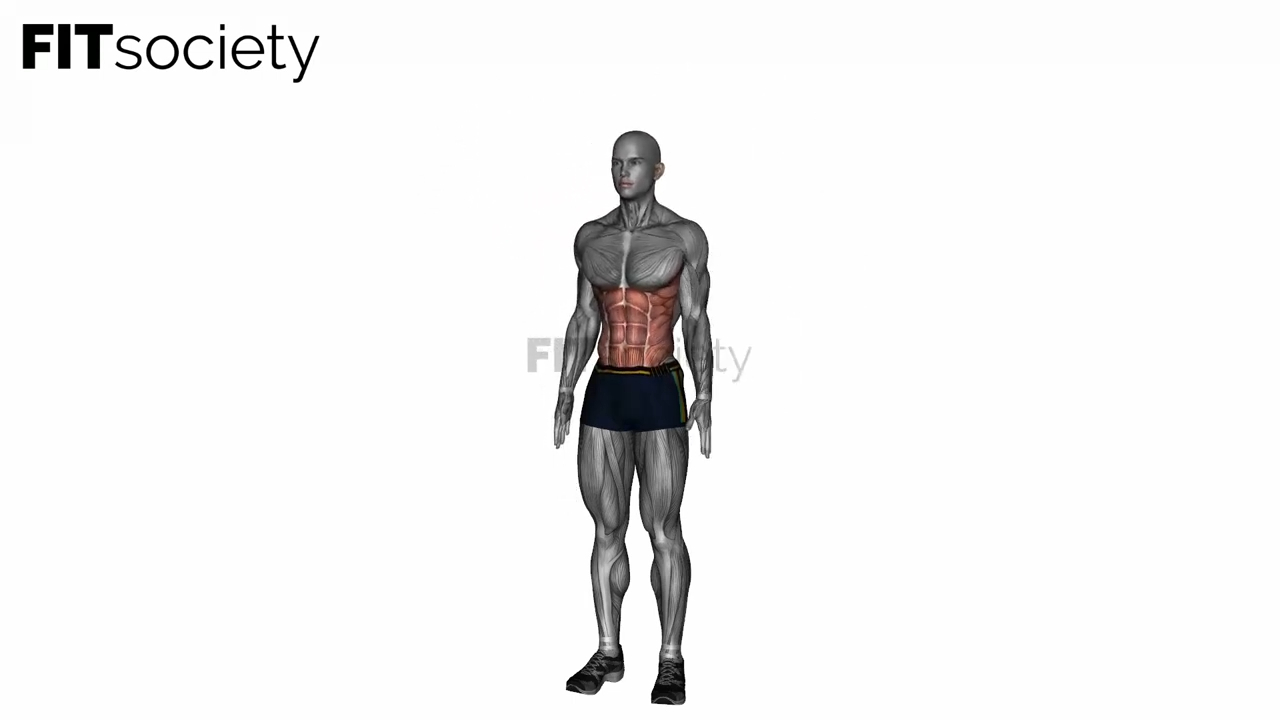
Execution
-
1
Begin with your feet shoulder-width apart.
-
2
Extend your arms overhead and clasp your hands together.
-
3
Inhale and slowly bend to one side without moving your hips. Keep your upper body straight.
-
4
Hold this position for a few seconds and feel the stretch along the side of your body.
-
5
Exhale and slowly return to the starting position.
-
6
Repeat the exercise on the other side.
Benefits
The Standing Side Bend Stretch helps improve your flexibility and strengthen your core. This can lead to better posture, less back pain, and greater stability in your daily movements and other sports activities.
Common Mistakes
- ! Moving the hips: Make sure your hips remain straight during the stretch to maximize its effectiveness and prevent injuries.
- ! Moving too quickly: Perform the movement slowly and with control to stretch the muscles properly.
Targeted Muscles
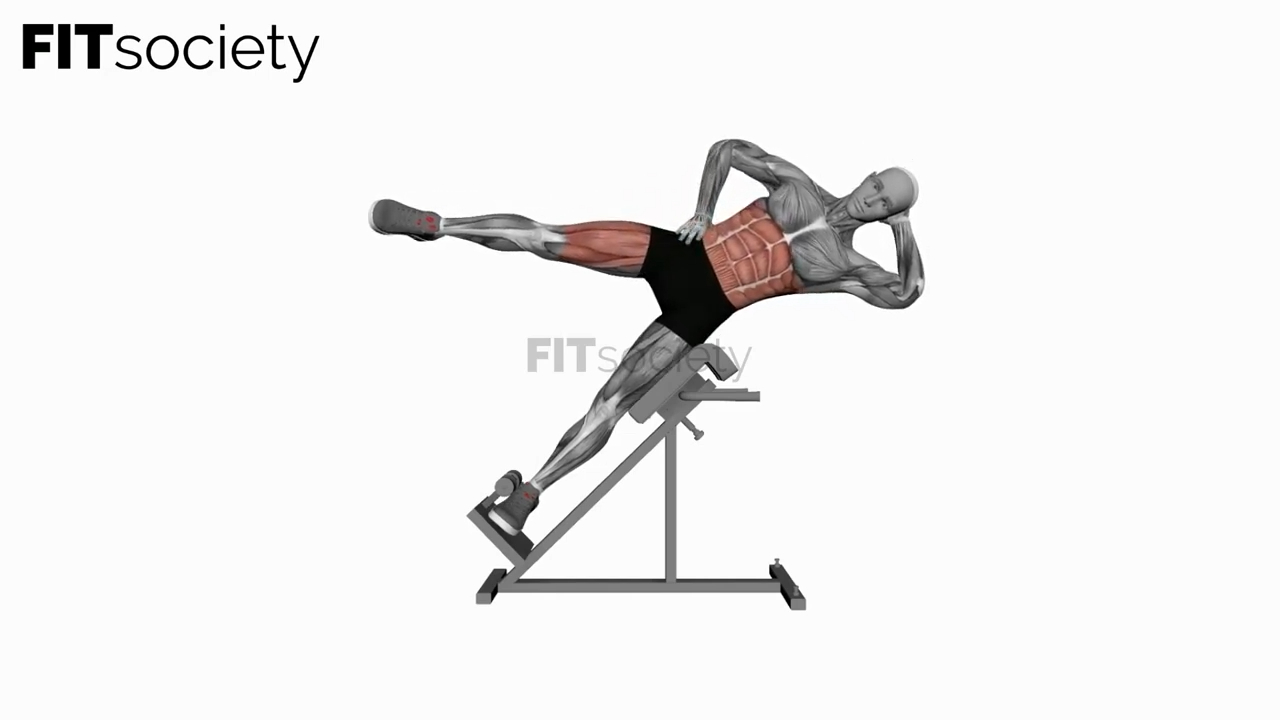
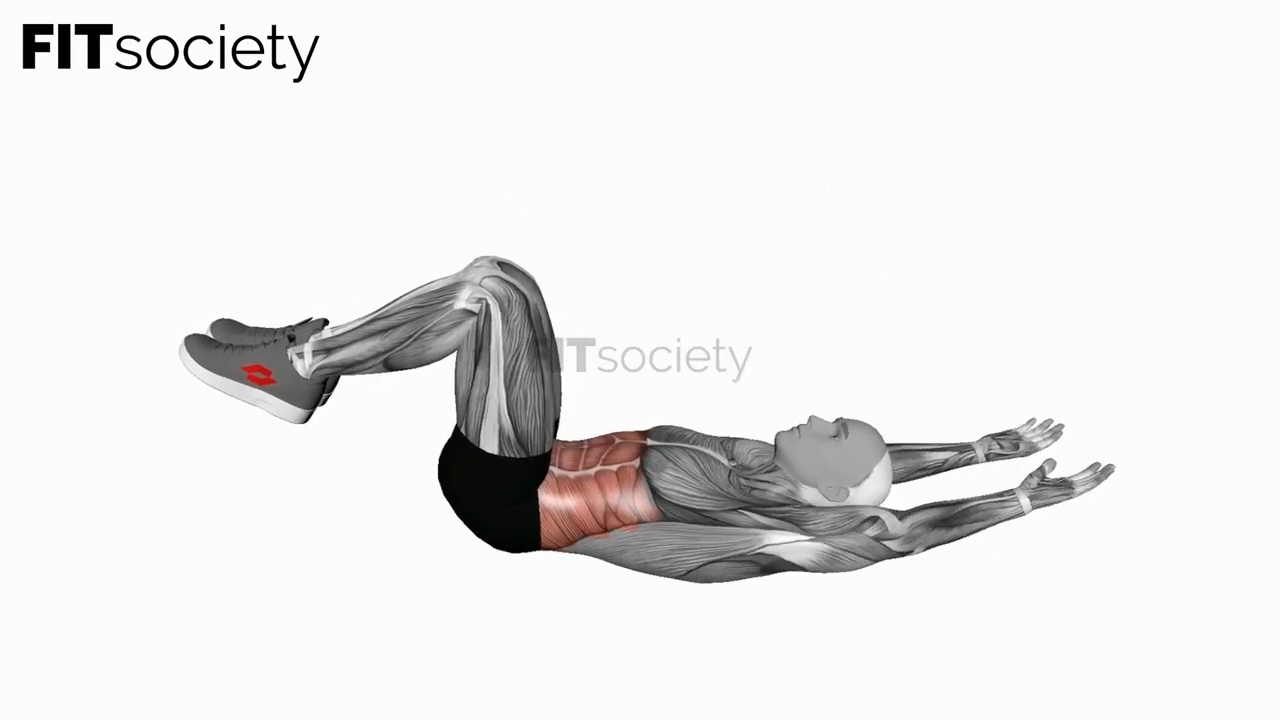
This exercise primarily targets the obliques, but also the entire core, including the rectus abdominis and erector spinae.
Possible Alternatives
To adjust the intensity of the exercise, you can hold a dumbbell or kettlebell in one hand during the stretch. This adds extra resistance and makes the exercise more challenging. Another variation is to perform the stretch while seated on a chair, which can be useful for beginners or people with limited mobility.
Run your fitness business with more structure
- Planning, member management and coaching in one platform
- Built for coaches, studios and gyms
- Fewer separate tools, more overview