Spider Plank
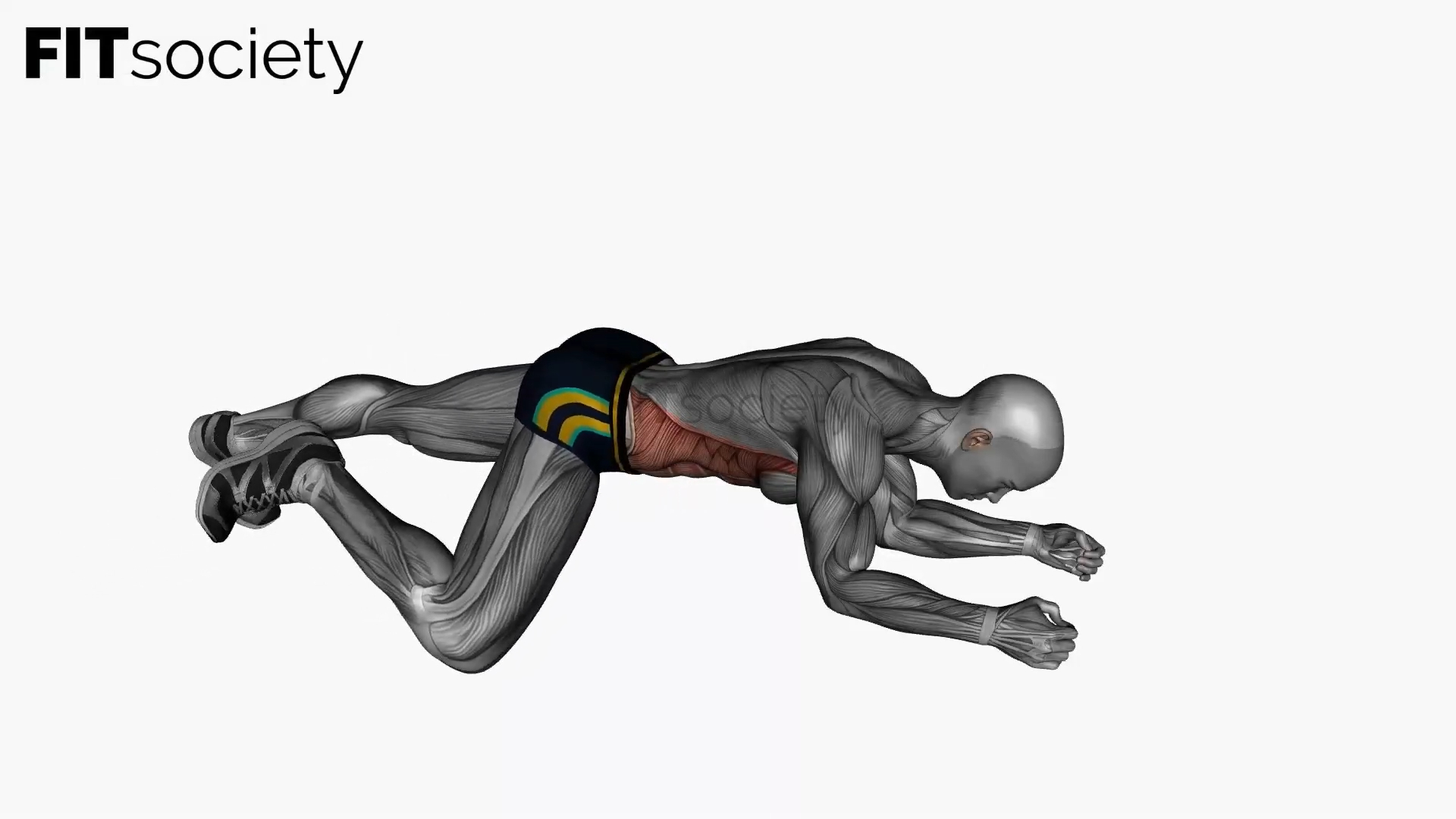
The Spider Plank is a dynamic variation of the traditional plank that improves not only your core stability but also your flexibility and balance. This exercise adds a new dimension to your workout through the movement of your legs, activating more muscle groups.
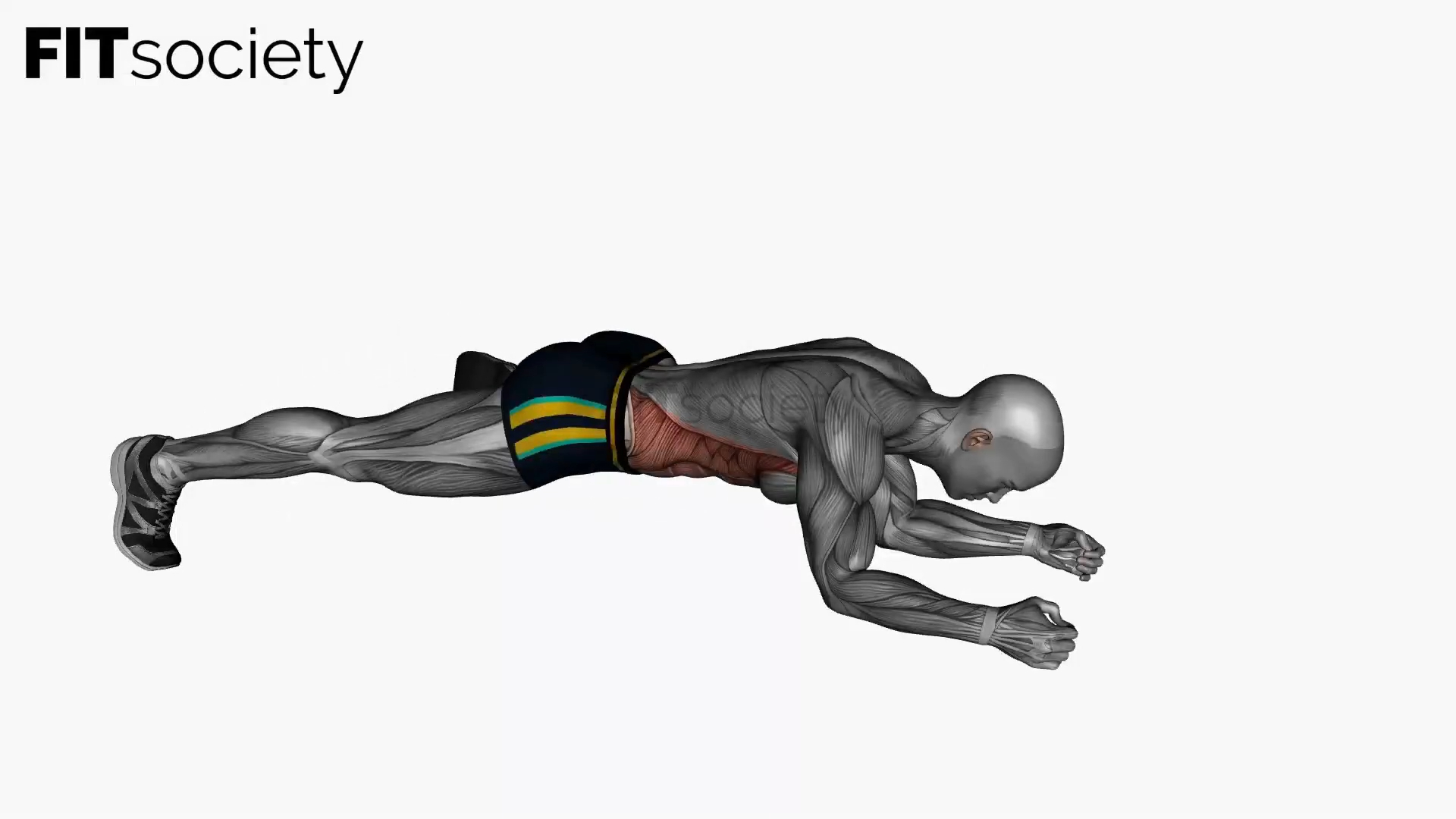
Execution
-
1
Begin in a standard plank position with your hands directly under your shoulders and your body in a straight line from your head to your heels.
-
2
Lift your right foot and bring your right knee outward toward your right elbow. Keep your core tight and your hips stable.
-
3
Return to the starting position and repeat the movement with your left leg.
-
4
Continue alternating between right and left for the desired number of repetitions.
Benefits
- Improves core stability and strength.
- Increases flexibility in the hips.
- Helps improve balance and coordination.
- Burns more calories than a standard plank due to the additional movement.
Common Mistakes
- ! Hips too high or too low: Ensure that your body remains in a straight line throughout the exercise.
- ! Moving too quickly: Perform the movement in a controlled manner to achieve maximum muscle activation.
- ! Forgetting to breathe: Continue breathing during the exercise to prevent becoming dizzy.
Primary Muscles
The Spider Plank primarily trains your abdominal muscles, including the rectus abdominis and obliques. It also engages your shoulders, chest, back, and hip flexors.
Possible Alternatives
- To increase the intensity, add a push-up between each leg movement.
- For a less intense variation, perform the exercise while supporting yourself on your knees instead of your toes.
- Use a stability ball under your feet to make the exercise more challenging.
Run your fitness business with more structure
- Planning, member management and coaching in one platform
- Built for coaches, studios and gyms
- Fewer separate tools, more overview