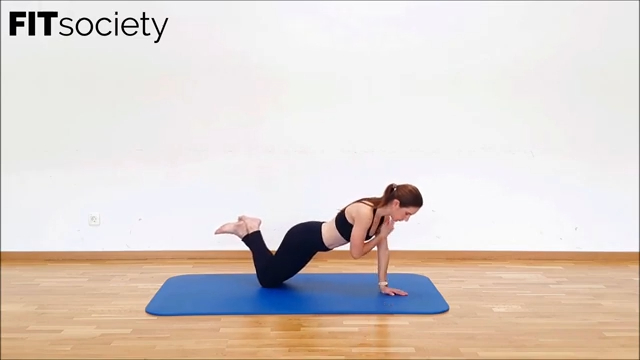
Shoulder Taps Modification
Introduction:
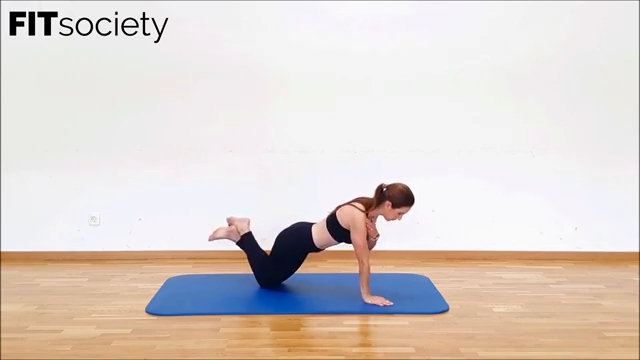
Shoulder taps are a fantastic exercise for improving core stability and shoulder strength. This modification makes the exercise more accessible if you are still building up to the full plank position.
Execution:
- Begin in a high plank position with your hands directly under your shoulders and your feet hip-width apart.
- Engage your abdominal muscles and keep your body in a straight line from your head to your heels.
- Lift your right hand and gently tap your left shoulder while keeping your hips as still as possible.
- Place your right hand back down and repeat the movement with your left hand to your right shoulder.
- Continue alternating for the desired number of repetitions.
Primary Muscles:
- Core muscles, including the rectus abdominis, obliques, and transversus abdominis.
- Shoulder muscles, especially the deltoids.
- Secondary stabilizing muscles such as the chest, triceps, and muscles around the hips.
Benefits:
- Improves core stability and strength.
- Strengthens the shoulders and arms.
- Helps develop balance and coordination.
Common Mistakes:
- Rotating the hips — try to keep your hips as still and stable as possible.
- Going too fast — focus on the quality of the movement rather than speed.
- Putting too much pressure on the wrists — make sure your hands are directly under your shoulders for proper weight distribution.
Possible Alternatives:
- If the high plank is too challenging, perform the exercise from your knees or standing against a wall.
- Increase the intensity by lifting one leg while performing the shoulder tap.
- Use an unstable surface such as a BOSU ball to increase the difficulty.
Run your fitness business with more structure
- Planning, member management and coaching in one platform
- Built for coaches, studios and gyms
- Fewer separate tools, more overview