Plank
The plank is a versatile exercise that focuses on strengthening your core while also engaging other muscle groups. It is a static exercise, meaning you hold a certain position for a certain amount of time. This makes it unique in its kind and offers various benefits for your overall fitness.
Execution
-
1
Begin on your hands and knees, with your hands directly under your shoulders.
-
2
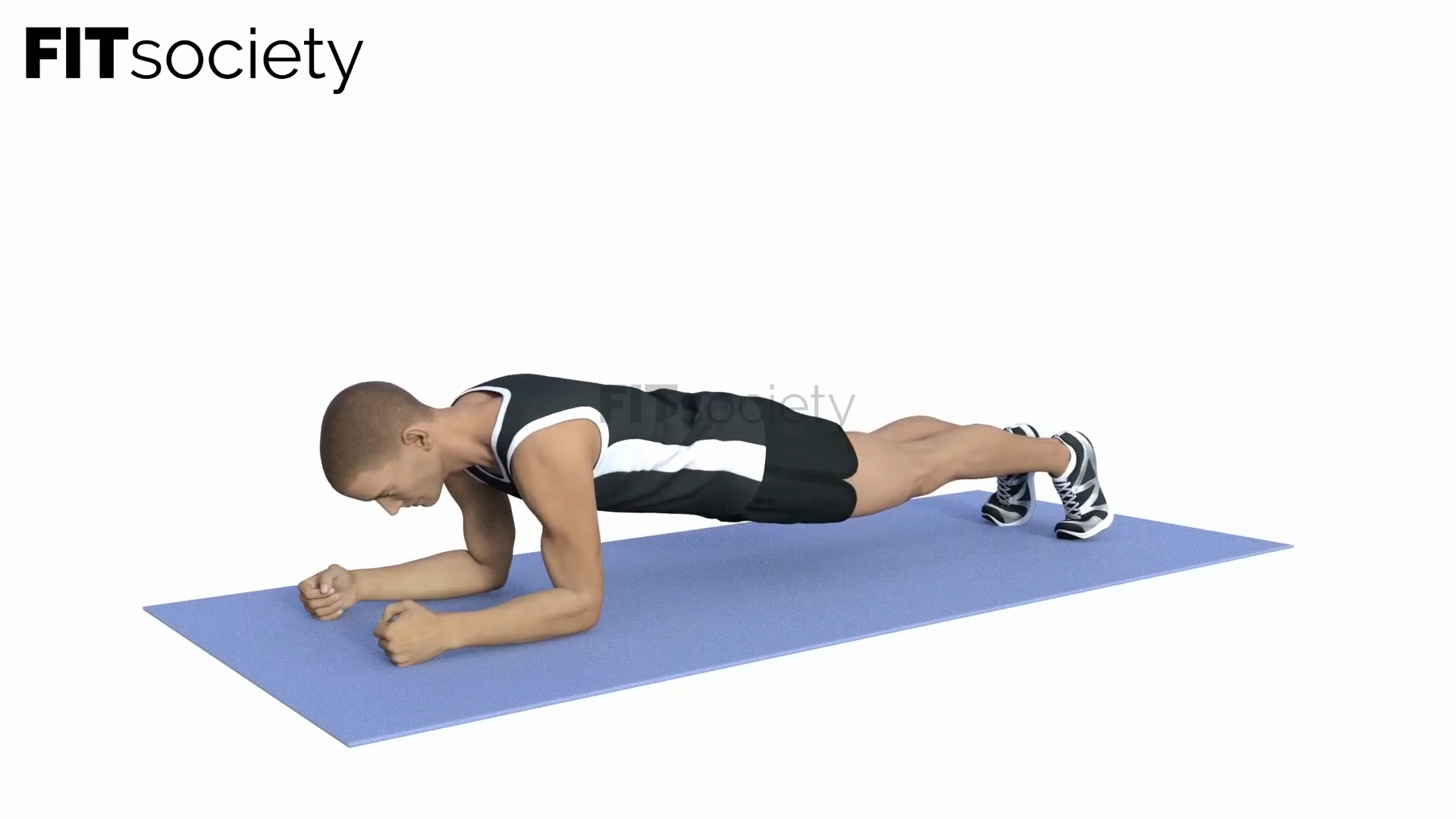
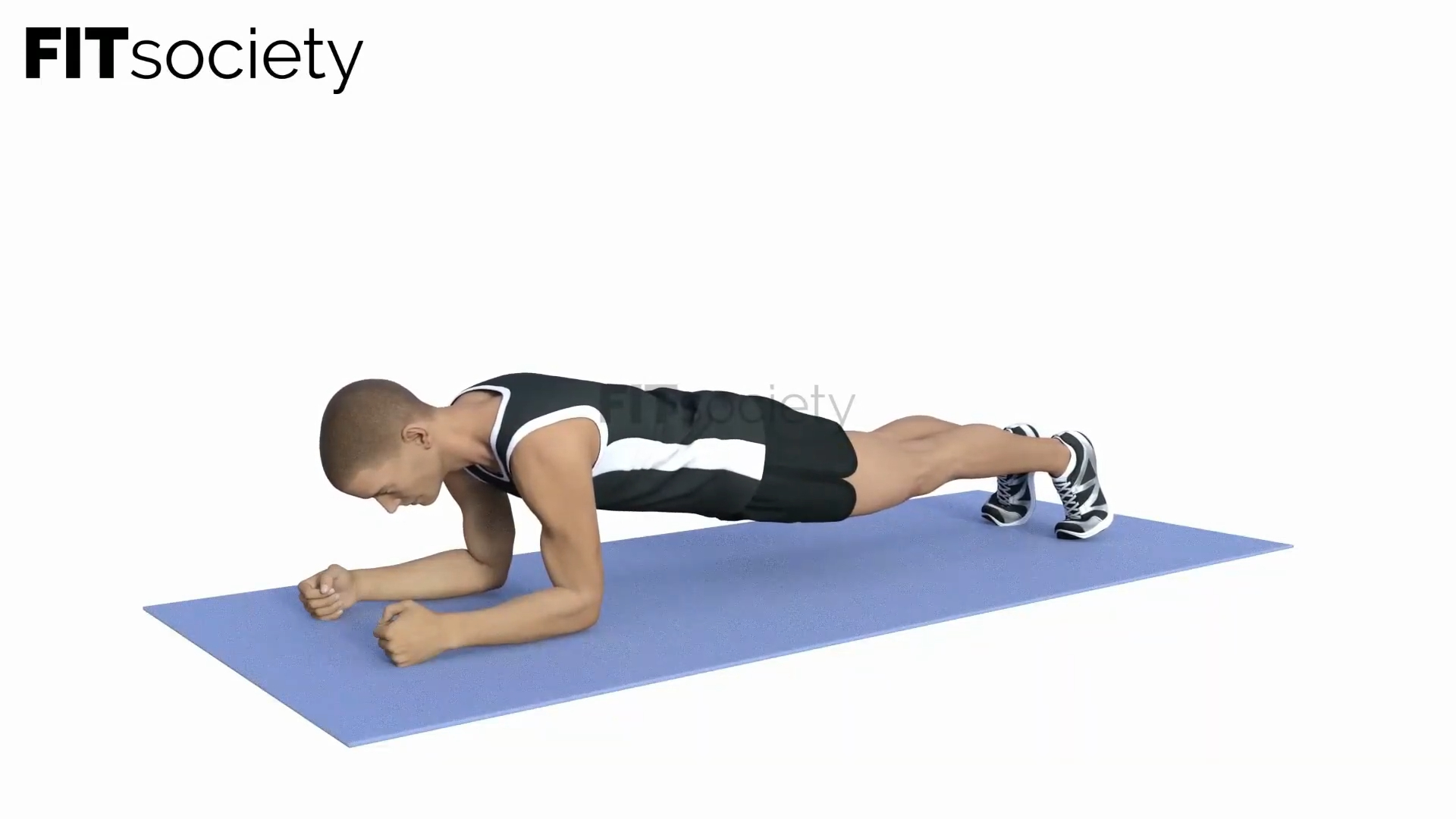
Extend your legs backward so that you are supported on your toes and hands. Ensure that your body forms a straight line from your head to your heels.
-
3
Engage your abdominal muscles and ensure that your back does not sag or rise. Your body should remain in a straight line throughout.
-
4
Hold this position for as long as you can, starting with 20 to 30 seconds and gradually building up.
-
5
Lower yourself slowly and repeat the exercise if desired.
Benefits
- Improves core stability.
- Strengthens multiple muscle groups simultaneously.
- May help reduce back pain through a stronger core.
- Improves posture.
- Increases flexibility by stretching muscle groups.
Common Mistakes
- ! Letting the hips sag, which can put pressure on the lower back.
- ! Holding the buttocks too high, which reduces the effectiveness of the exercise.
- ! Not engaging the core, which is essential for proper execution.
- ! Holding your breath; make sure you continue breathing during the exercise.
Primary Muscles
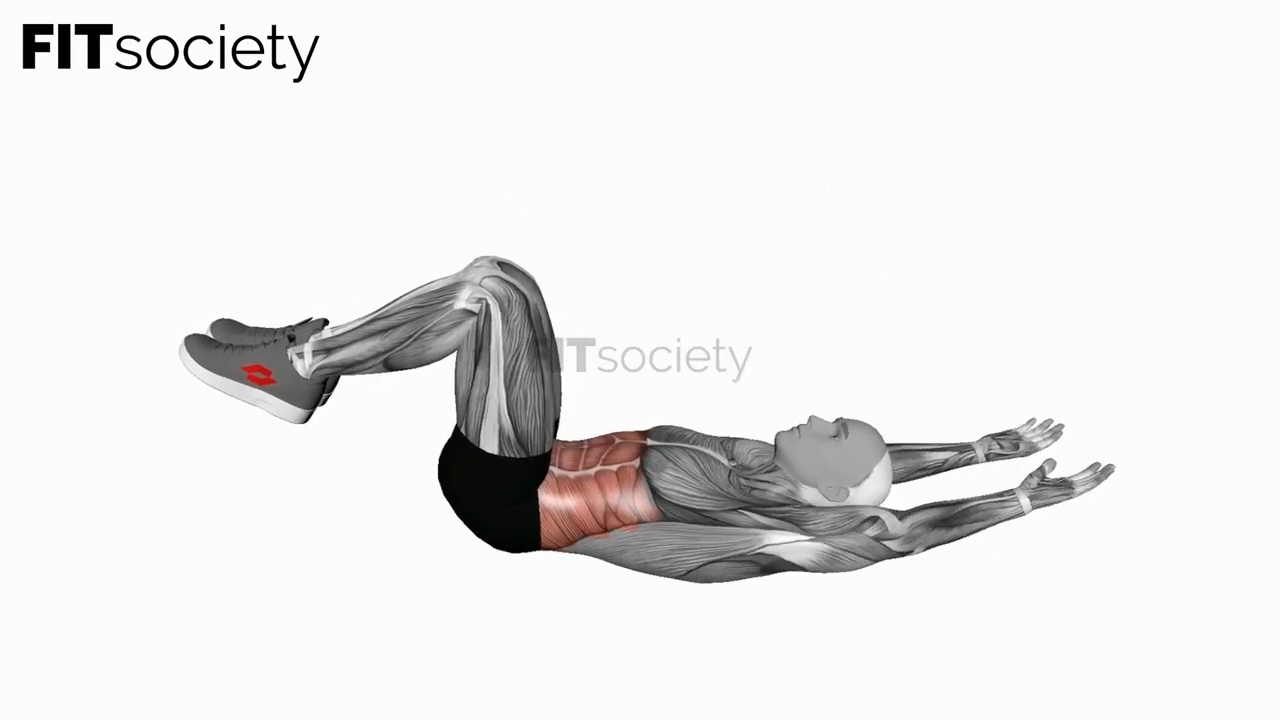
The plank primarily trains the muscles in your core, including the rectus abdominis, obliques, and transversus abdominis. It also engages the muscles in your shoulders, chest, back, hips, and legs.
Possible Alternatives
- Forearm plank for those with wrist problems.
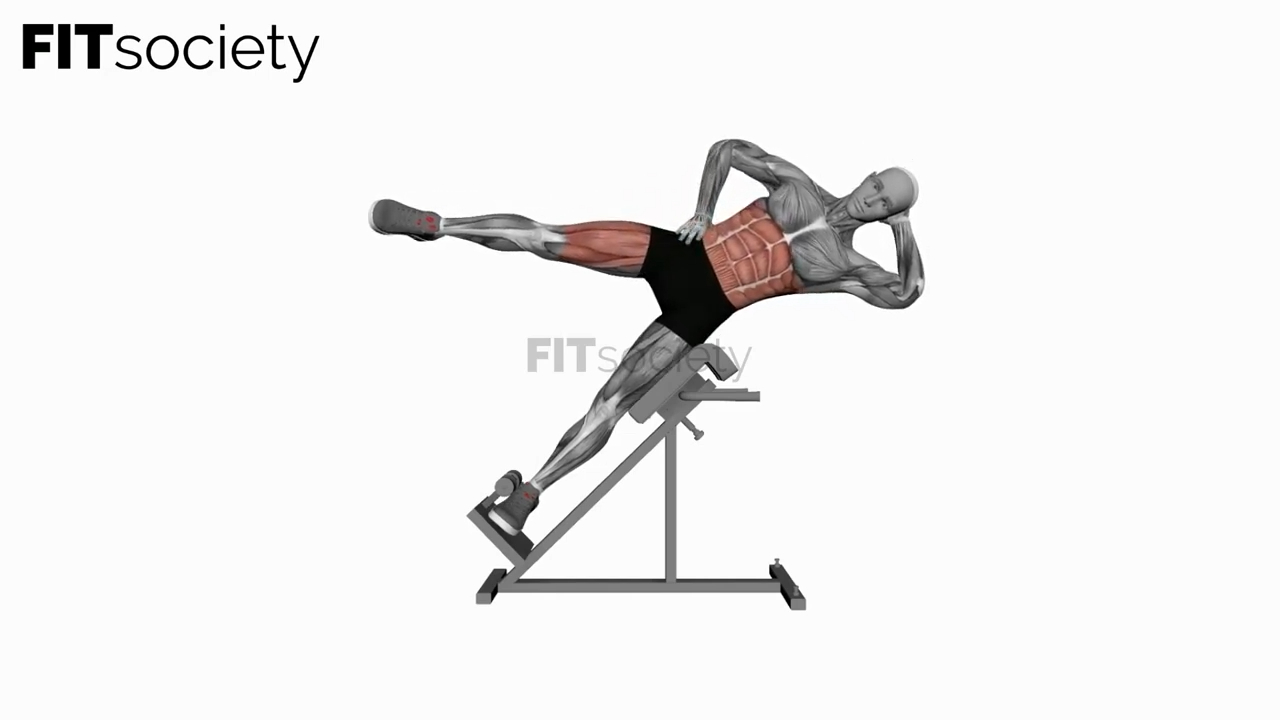
- Side plank to target the obliques more.
- Plank with leg lift for an extra challenge.
- Reverse plank to focus on the back of the body.
Run your fitness business with more structure
- Planning, member management and coaching in one platform
- Built for coaches, studios and gyms
- Fewer separate tools, more overview