Hanging Leg Raises
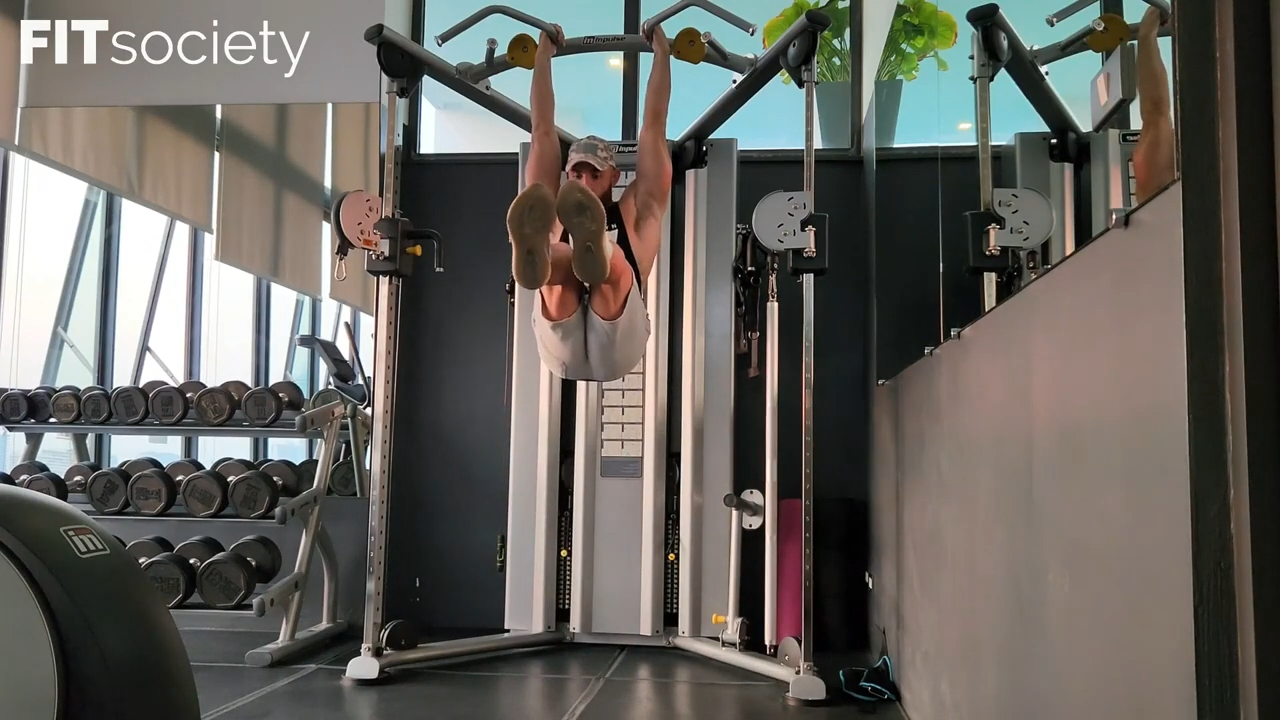
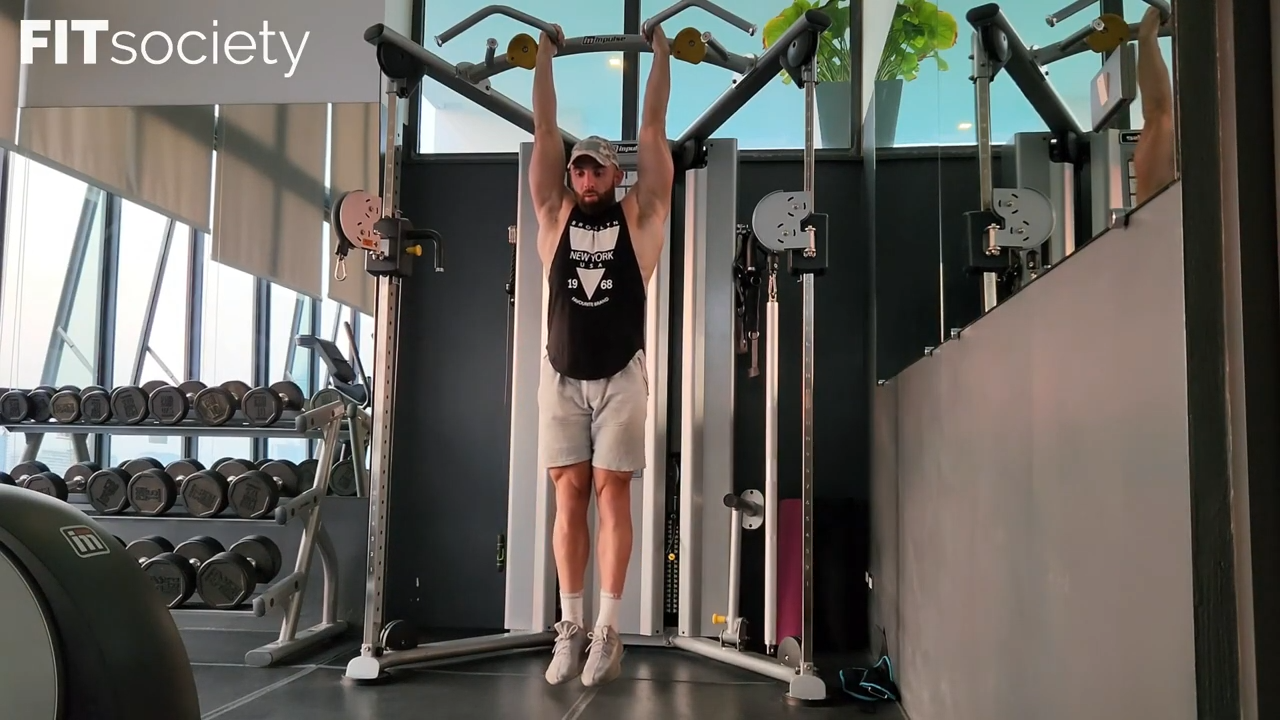
Hanging leg raises train the abdominal muscles and hip flexors while you support your body from a pull-up bar. Your grip and shoulders also work to maintain the hanging position. Control of the body is more important than how high or quickly you lift the legs.
Execution
-
1
Grasp a secure pull-up bar with your hands around shoulder-width apart and hang with your arms extended.
-
2
Settle your body before starting, keeping the shoulders controlled and avoiding swinging.
-
3
Raise your legs in front of you with a slight bend in the knees. Aim towards hip height only while you can keep the movement controlled.
-
4
Lower the legs slowly without letting your lower back arch excessively.
-
5
Pause to stop any swing before beginning the next repetition.
Benefits
- Trains abdominal and hip-flexor strength.
- Challenges grip endurance.
- Practises controlling the body while hanging from a bar.
Common mistakes
- ! Swinging the body to lift the legs instead of controlling the movement.
- ! Dropping the legs quickly and allowing the momentum to start the next repetition.
- ! Choosing a range that cannot be maintained without excessive arching or loss of shoulder control.
Muscles worked
The rectus abdominis and obliques control the trunk and pelvis, while the hip flexors lift the thighs. The hands, forearms and shoulder muscles maintain the hang.
Alternatives
- Hanging knee raises with bent knees.
- Supported knee raises on a captain's chair.
- Progress to straighter legs and a larger controlled range before considering added resistance.
Run your fitness business with more structure
- Planning, member management and coaching in one platform
- Built for coaches, studios and gyms
- Fewer separate tools, more overview