Dumbbell Straight Arm Crunch
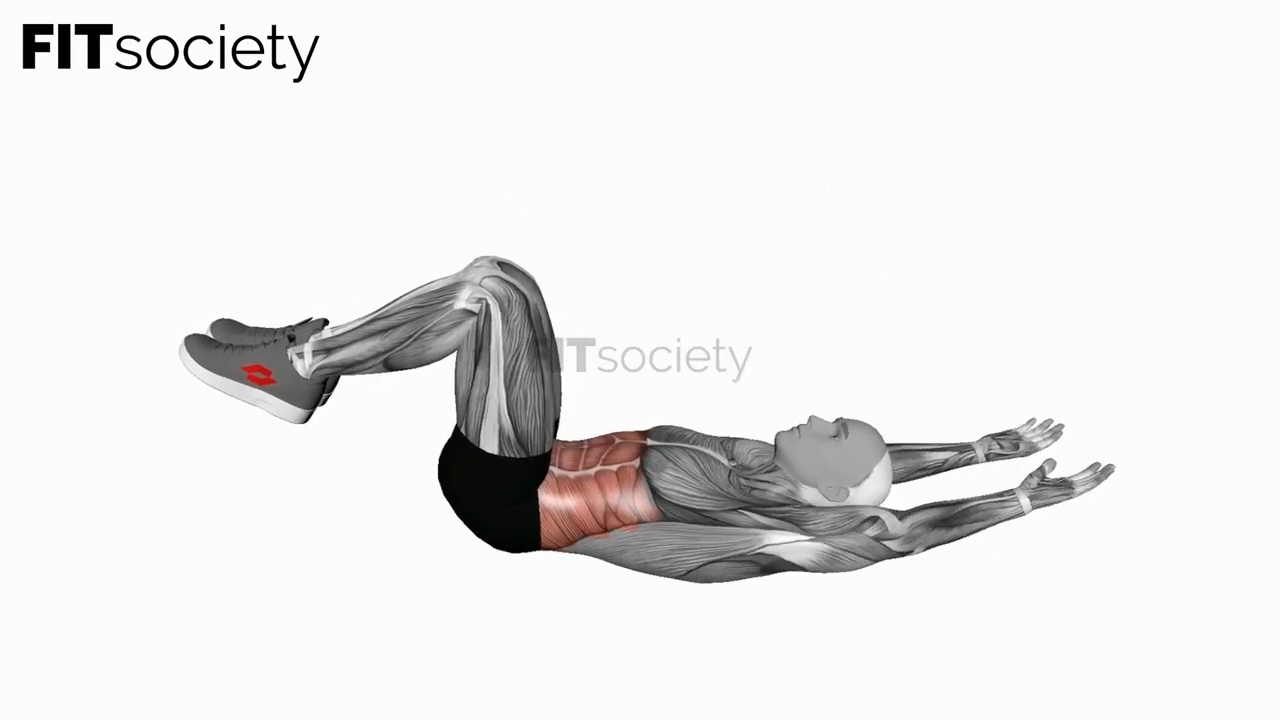
Want a strong core and impressive abs? Try the Dumbbell Straight Arm Crunch. This exercise combines the benefits of a traditional crunch with the extra weight of a dumbbell, requiring your abdominal muscles to work harder so you see results faster.
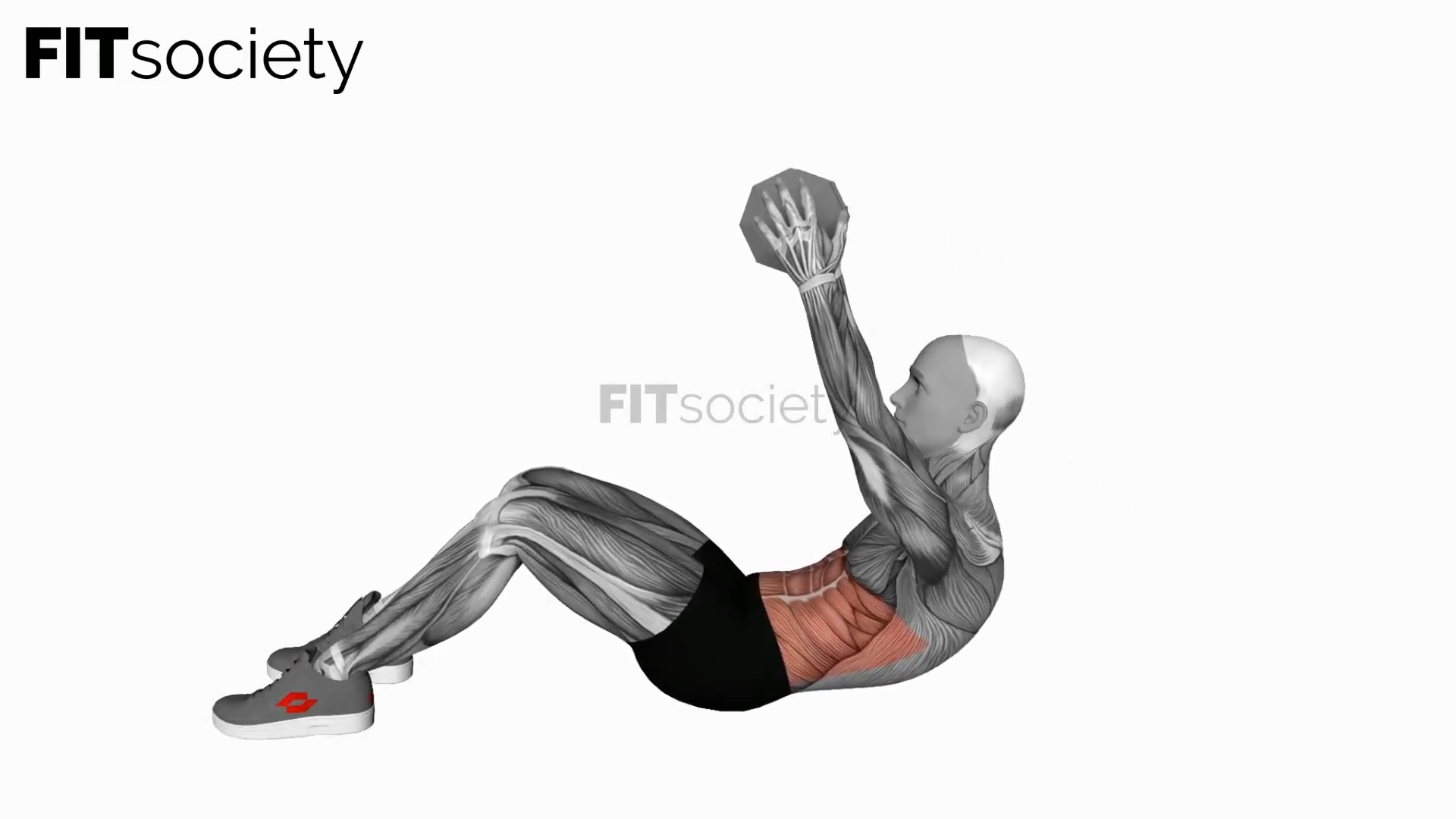
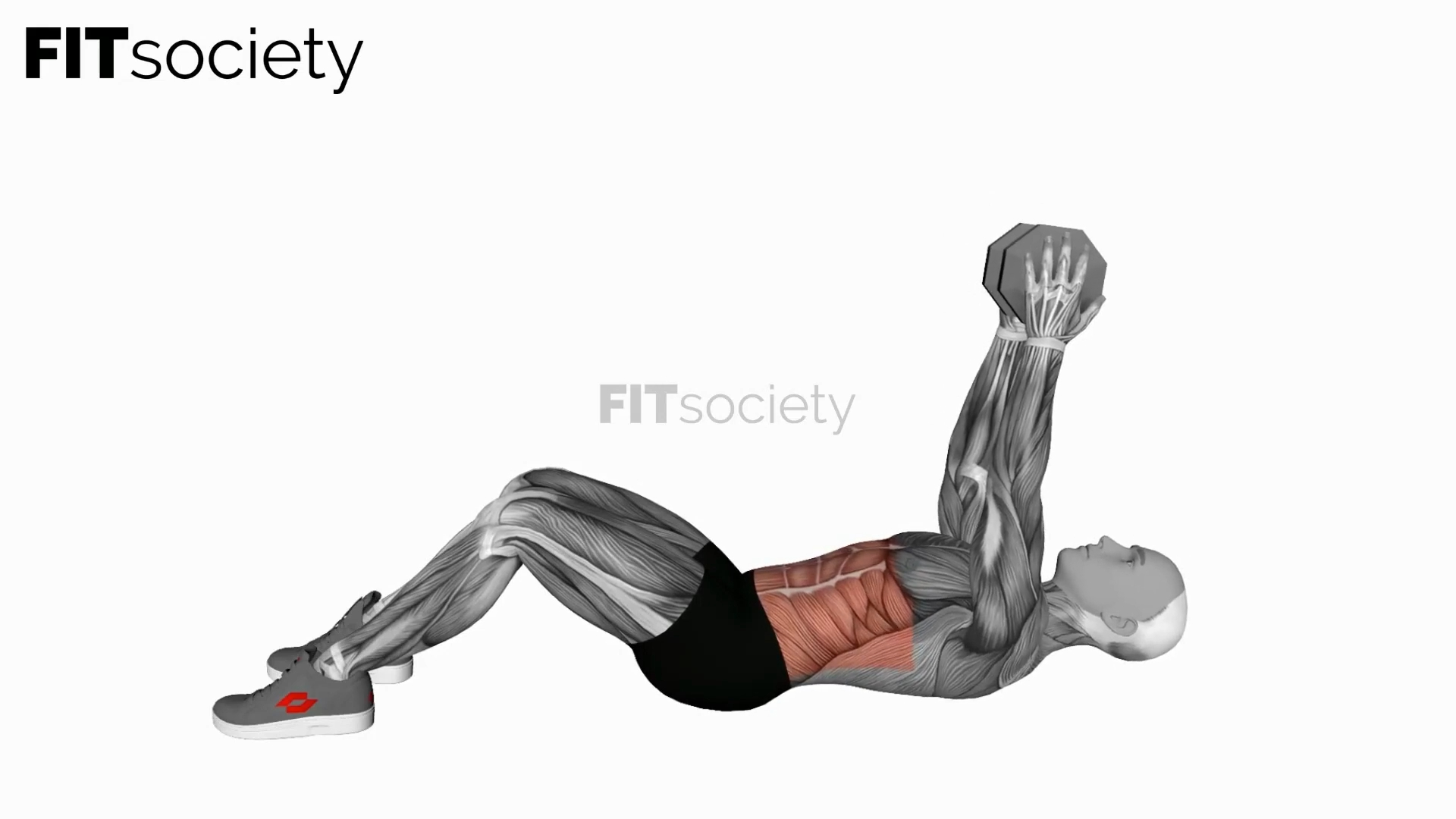
Execution
-
1
Lie on your back on a mat with your knees bent and your feet flat on the floor.
-
2
Hold a dumbbell with both hands and extend your arms straight above your chest.
-
3
Inhale and lift your shoulders and upper back off the floor by contracting your abdominal muscles. Keep your arms straight.
-
4
Exhale as you slowly return to the starting position.
-
5
Repeat for the desired number of repetitions.
Benefits
- Strengthens the core and improves stability.
- Increases muscle mass and definition in the abdominal muscles.
- May help improve posture through a stronger core.
- The extra weight increases the intensity, which can lead to faster results.
Common Mistakes
- ! Moving too quickly: Take your time with each repetition to ensure maximum muscle activation.
- ! Straining the neck: Keep your neck in a neutral position by focusing your gaze on a fixed point on the ceiling.
- ! Bending the arms: Keep your arms straight throughout the entire exercise.
Primary Muscles
The Dumbbell Straight Arm Crunch primarily targets the rectus abdominis, or “six-pack” muscles, and to a lesser extent the obliques (the side abdominal muscles).
Possible Alternatives
- If the exercise is too difficult, first try it without weight until you have built up sufficient strength.
- For an extra challenge, increase the dumbbell weight or add a twisting motion to engage the obliques more.
Run your fitness business with more structure
- Planning, member management and coaching in one platform
- Built for coaches, studios and gyms
- Fewer separate tools, more overview