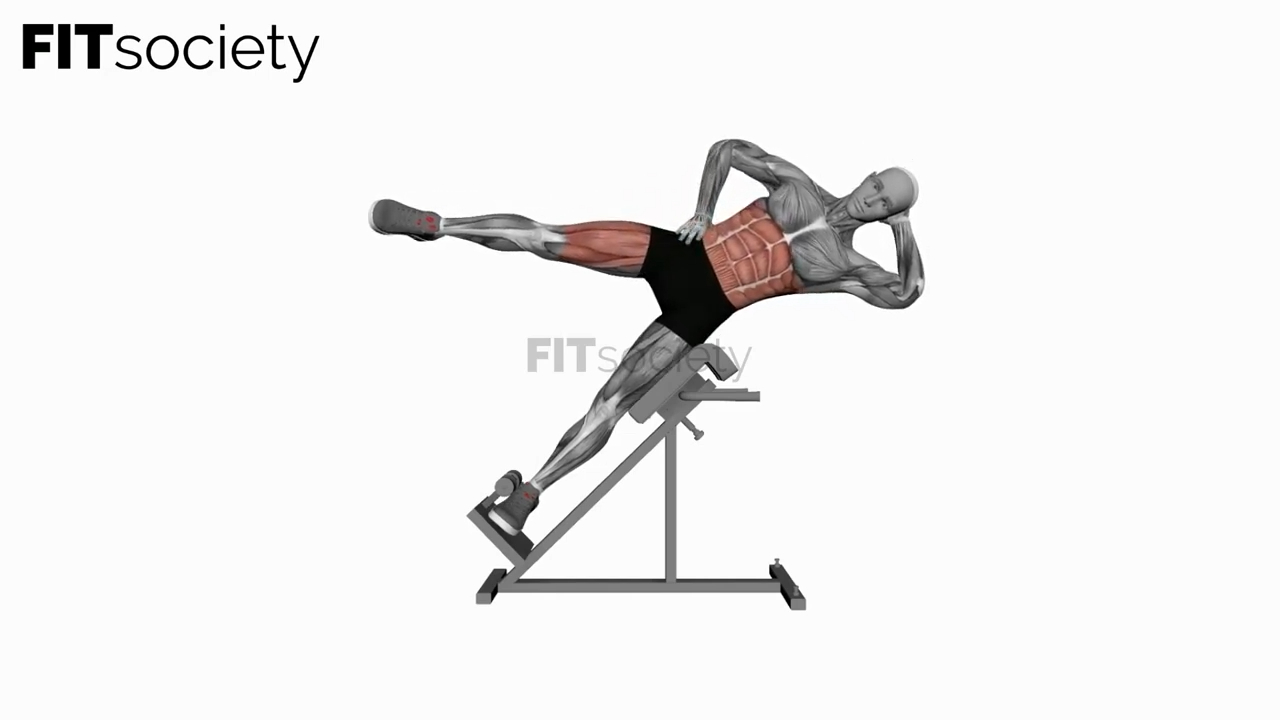
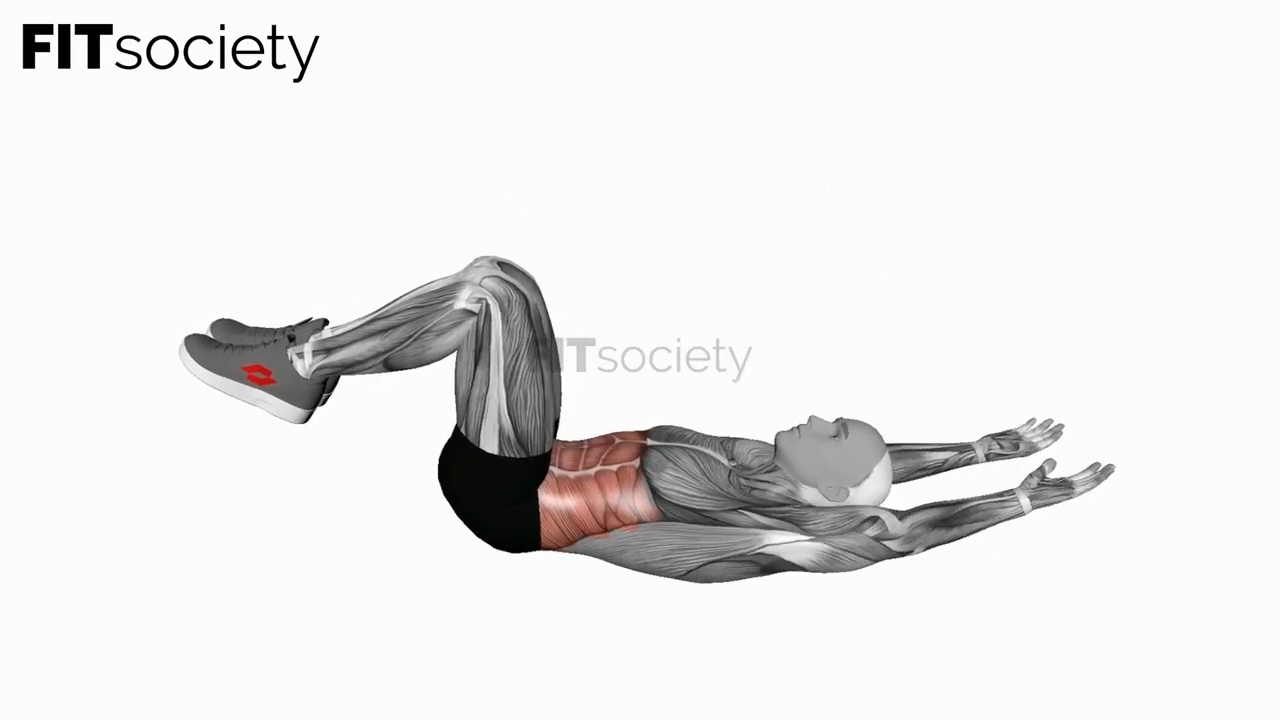
Decline Bench Ab Crunch
The Decline Bench Ab Crunch is a powerful exercise that targets strengthening and defining your abdominal muscles. The decline position of the bench challenges your core more, resulting in a more intense workout compared with traditional crunches.
Execution
-
1
Find a decline bench and set it to an angle that is comfortable but challenging.
-
2
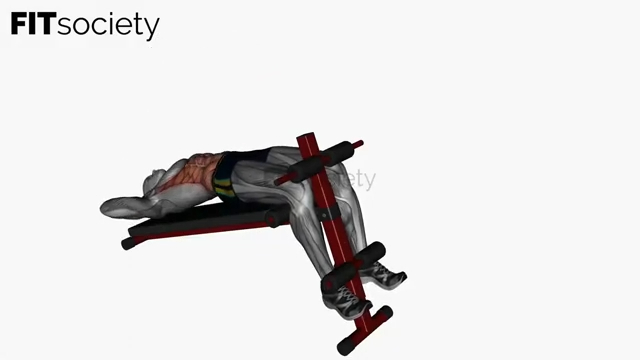
Lie on your back on the bench, with your legs secured under the supports.
-
3
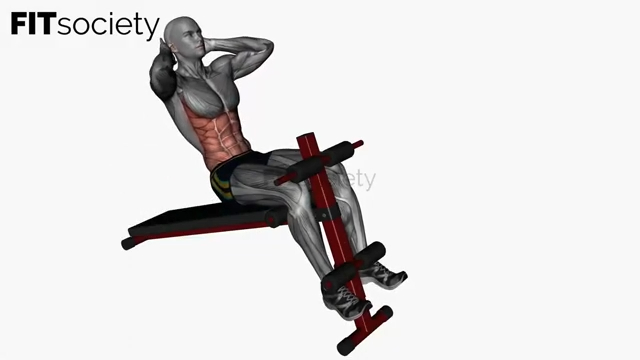
Place your hands behind your head or cross them over your chest.
-
4
Inhale and lift your upper body toward your knees, keeping your lower back on the bench.
-
5
Exhale while briefly holding the top position.
-
6
Slowly and in a controlled manner, lower yourself back to the starting position.
Benefits
- Strengthens the core muscles.
- Improved posture and stability.
- Increased functional strength that is useful for other exercises and daily activities.
- May help reduce back pain through a stronger core.
Common Mistakes
- ! Performing the movement too quickly, which can result in reduced effectiveness and possible injuries.
- ! Pulling on your neck or head with your hands, which can cause neck pain.
- ! Not fully extending or contracting the abdominal muscles during the exercise.
Target Muscles
This exercise primarily targets the rectus abdominis (the “six-pack” muscles) and the obliques (the side abdominal muscles).
Possible Alternatives
- If the decline ab crunch is too challenging, start with regular ab crunches on a flat bench.
- To increase the intensity, hold a weight on your chest or behind your head.
- Also try the Russian Twist on the decline bench for variety and to train the obliques more.
Run your fitness business with more structure
- Planning, member management and coaching in one platform
- Built for coaches, studios and gyms
- Fewer separate tools, more overview