Cat-Cow
The Cat-Cow exercise is a fantastic way to strengthen your core, promote flexibility in your spine, and improve your posture. This exercise, which mimics the movements of both a cat and a cow, is simple to perform and requires no equipment, making it an excellent choice for both beginners and advanced exercisers.
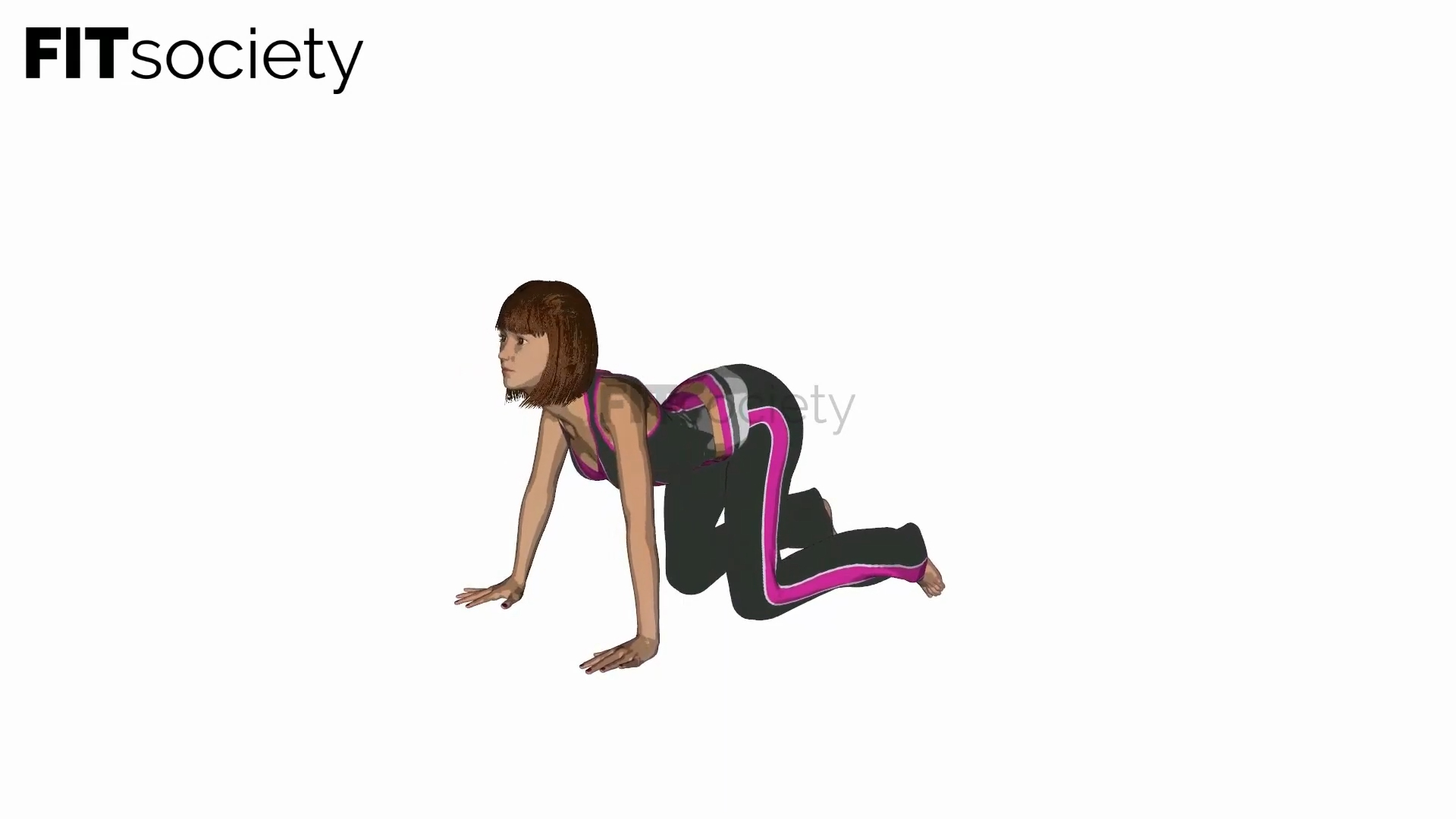
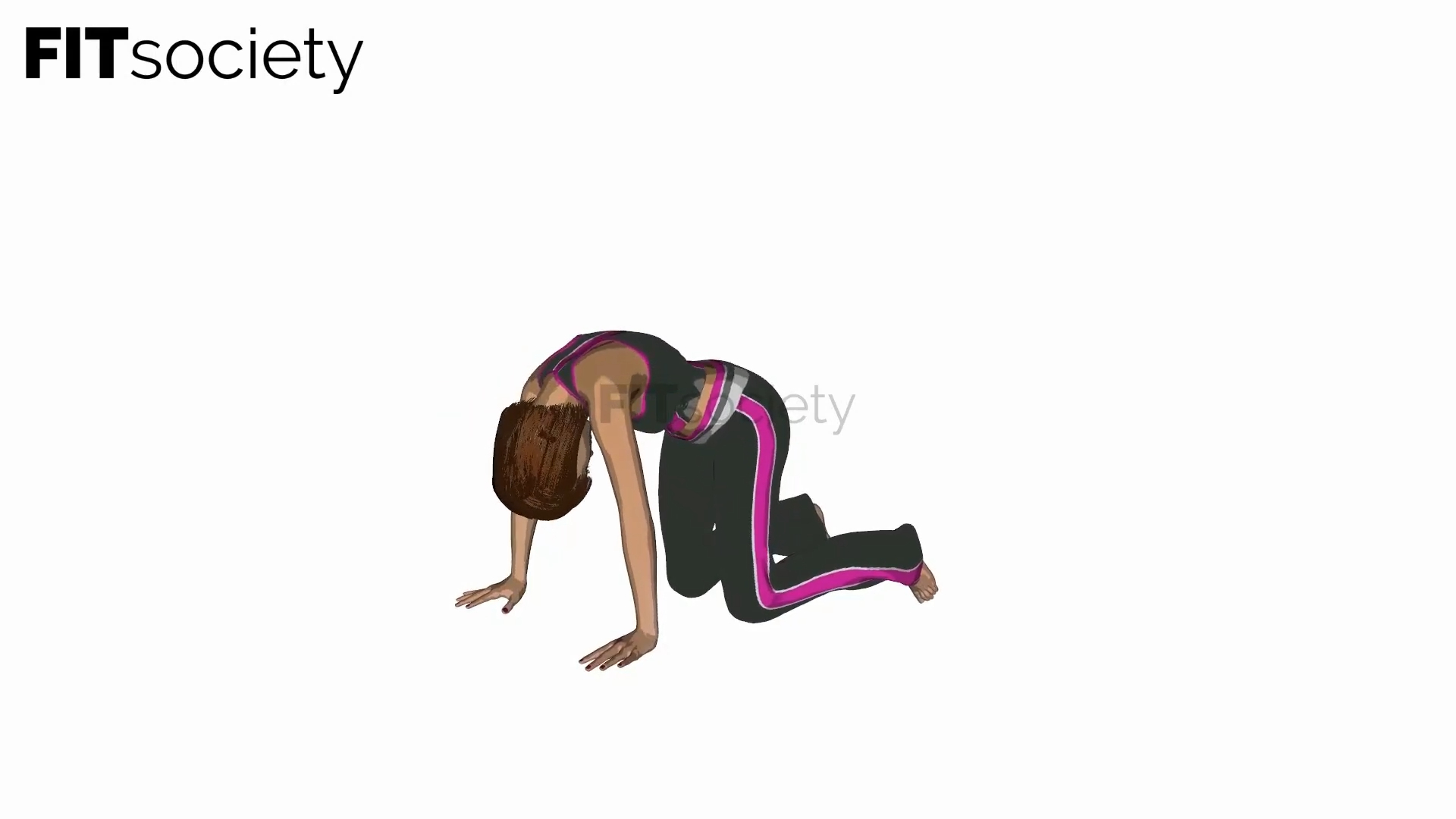
Execution
-
1
Begin on your hands and knees in a neutral position, with your hands directly under your shoulders and your knees under your hips.
-
2
Inhale and round your back toward the ceiling while bringing your chin toward your chest, imitating the posture of an angry cat.
-
3
Exhale and lower your abdomen toward the floor while lifting your head and tailbone toward the ceiling, adopting the posture of a stretching cow.
-
4
Repeat this movement for several repetitions, transitioning smoothly from one position to the other.
Benefits
The Cat-Cow exercise improves spinal flexibility, strengthens the core muscles, and may help relieve back pain. It also promotes better posture and balance.
Common Mistakes
- ! Moving too quickly: Take your time with each movement to experience the full benefits.
- ! Not breathing fully: Make sure to inhale and exhale deeply with each movement.
- ! Overstretching: Do not force your body into positions that feel uncomfortable.
Key Muscles
This exercise targets the core muscles, including the rectus abdominis, obliques, and the muscles around the spine. It also helps strengthen the shoulders and hips.
Possible Alternatives
To adjust the intensity of the Cat-Cow exercise, you can try holding the position at the end of each movement for a few seconds. For a greater challenge, try performing the exercise on an unstable surface such as an exercise ball.
Run your fitness business with more structure
- Planning, member management and coaching in one platform
- Built for coaches, studios and gyms
- Fewer separate tools, more overview