Selling fitness programs online comes down to three things: a narrow niche, a packaged transformation, and a checkout that works on the first try. Skip any one of those, and sales stall regardless of how good your workouts are. The fastest route to revenue is a small beta group, a warm launch to people who already know you, and a simple platform that handles delivery and payment without friction. Pricing can be one-off, subscription, or a hybrid of both, but the structure matters more than the number.
TL;DR:
- Focus on a specific niche and transformation to attract the right buyers and justify higher pricing.
- Launch with a small beta group from your existing network to gather proof and refine your program before full promotion.
- Offer multiple price points and formats, such as PDFs, courses, memberships, or hybrid coaching, to capture a wider audience.
- Use an integrated platform that handles content delivery, payments, and client management to streamline operations and improve retention.
- Build a compelling sales page around transformation and proof, then run a short, targeted launch sequence to maximize conversions.
Types of Fitness Programs You Can Sell Online
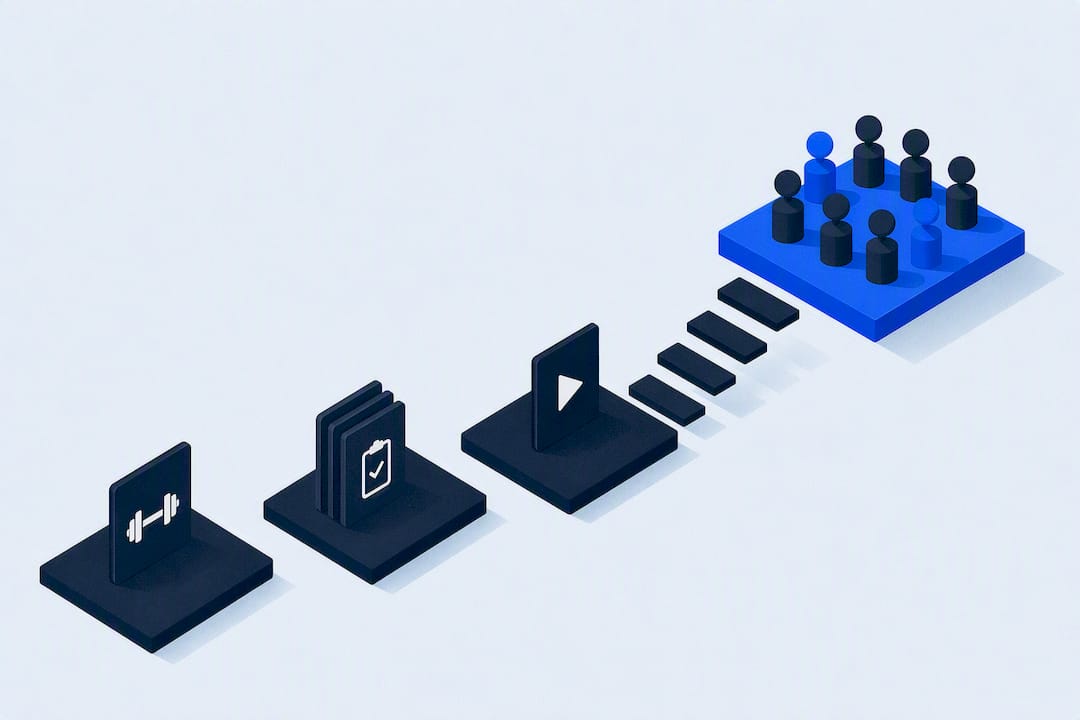
Before you build anything, decide what format matches your time, your audience, and your price point. Each one carries different delivery demands and different buyer expectations.
- PDF or single plan programs. A downloadable training plan, often paired with a spreadsheet, typically sells for $10 to $50. Low overhead, fast to produce, but limited support.
- Structured courses. Multi-week programs with video demonstrations and progression logic. These usually run $50 to $300 and appeal to buyers who want more guidance without live coaching.
- Memberships. Recurring access to new workouts, community, and check-ins, typically priced between $20 and $100 a month. This model rewards trainers who can consistently produce fresh content.
- Hybrid coaching. A packaged program plus some level of personal check-in or feedback, often priced from $150 to $500 monthly. This sits closest to traditional personal training but scales further.
Your format choice determines almost everything downstream. A PDF needs nothing more than secure file delivery. A membership needs a platform that can handle recurring billing, drip content, and some form of community interaction. According to Teachery’s breakdown of fitness course sales, creators who offer multiple price points, rather than a single flat product, tend to capture a wider range of buyers without diluting their brand. Start with one format you can execute well. Adding a second tier is easier once the first one is selling.
Define Your Niche and the Transformation You Promise
Generic programs sell at generic prices. “Get fit” attracts browsers. “Lose 15 pounds without giving up your morning coffee routine” attracts buyers. Specificity does two things: it raises conversion because the right person self-selects immediately, and it lets you charge more because the outcome sounds achievable and personal rather than vague.
A transformation statement works when it names three things: the person, the result, and the frustration you’re solving. “For new moms who want to rebuild core strength in 12 weeks without long gym sessions” beats “postpartum fitness program” every time, because it tells the reader exactly why this program exists for them.
Before writing a single workout, answer these:
- Who exactly is this for? (Age range, life stage, training history.)
- What specific result will they see, and by when?
- What have they already tried that failed them?
- What objection will stop them from buying, and how does your program answer it?
Once you have a draft answer to all four, run a beta. Recruit 5 to 10 people from your existing network, price it low or free in exchange for feedback and testimonials, and track actual results over 4 to 6 weeks. This step matters more than any sales page you’ll build later, because it gives you real proof instead of a promise.
Pro Tip: *Ask beta participants for a before-and-after in their own words, not just numbers.
Package the Program and Price It to Match the Outcome
A program that includes only workouts is easy to compare and easy to discount. A program that includes a clear path from problem to result is much harder to shop around for. Build in these components before you set a price:
- Progressive programming across the full duration, not a single static plan.
- Exercise substitutions for common equipment or mobility limitations.
- A basic nutrition framework, even if it’s just macro guidance rather than full meal plans.
- A habit checklist covering sleep, hydration, or movement outside the workouts.
- Milestone check-ins at set intervals so buyers see progress, not just effort.
- Some form of accountability, whether that’s a private group chat or a weekly prompt.
Price bands generally fall into four tiers: entry-level for a static plan with no support, mid-tier for a structured multi-week course with some check-ins, premium for programs bundling coaching access, and membership priced at moderate monthly levels for ongoing content and community. SamCart’s research on fitness program sales points to checkout tactics, not sticker price alone, as a major lever on revenue. Order bumps (a discounted add-on nutrition guide at checkout) and one-click post-purchase upsells (a higher coaching tier offered immediately after purchase) both raise average order value without requiring a single new customer.
Set your refund policy before launch, not after your first complaint. A 7 to 14 day window tied to demonstrated effort (completed check-ins, logged workouts) protects you better than an unconditional guarantee, and it should be stated plainly on the sales page and in the purchase confirmation, not buried in fine print.
Choosing Where to Host and Sell Your Program
The platform decision usually comes down to three categories: a learning management system built for courses, coaching software built for ongoing client relationships, or a lightweight digital storefront for simple file sales. Each trades off differently on cost, control, and features.
Run through this checklist before committing to any platform:
- Does it host video reliably on mobile, not just desktop?
- Can content be dripped on a schedule, or does everything unlock at once?
- Does it process payments directly, or do you need a separate processor?
- Is there any built-in community or messaging feature, or will you bolt one on?
- Does it give you usable analytics on completion rates and drop-off points?
Cost models vary widely. Flat monthly platforms make sense once you’re selling consistent volume, since the fee stays fixed regardless of revenue. Per-seat or per-client pricing fits smaller trainer businesses that want costs to scale with their client count. Transaction-fee models, common on marketplace-style storefronts, cost little upfront but eat into margin as sales grow. A basic WordPress setup with a plugin like Easy Digital Downloads can work for a simple PDF sale, but it lacks the drip scheduling and client management that structured courses or coaching need.
Match your product to the platform category rather than the reverse. A single PDF plan barely needs more than secure file delivery and a payment button. A membership needs recurring billing and content scheduling built in. Hybrid coaching needs a platform that can manage client relationships, not just transactions.
Before you launch, test the entire buyer path yourself: make a real purchase, confirm the delivery email arrives promptly, check that video plays cleanly on a phone, and walk through your own refund process. TrainerBio’s guidance on selling workout programs recommends instant delivery through expiring secure links and Stripe-based payouts specifically because fulfillment delays are one of the most common causes of early refund requests.
Building a Sales Page and Launch Sequence That Convert
A sales page has one job: convince the right person this program will solve their specific problem. Every element should serve that goal.
Structure the page around these pieces:
- A headline that states the transformation, not the workout type.
- A short section naming exactly who this is for, so the wrong buyer self-excludes.
- A clear breakdown of what’s included: number of weeks, video count, nutrition materials, support level.
- Proof: beta testimonials, before-and-after results, or a specific number from your test group.
- Pricing with a visible anchor, meaning show what the value would cost separately before revealing the bundled price.
- One clear call to action repeated at the top, middle, and bottom of the page.
Copy should lead with the transformation, back it with evidence, anchor the price against the value delivered, and close every section with the same action button. Skipping the anchor step is one of the most common reasons a fairly priced program still feels expensive to browsers.
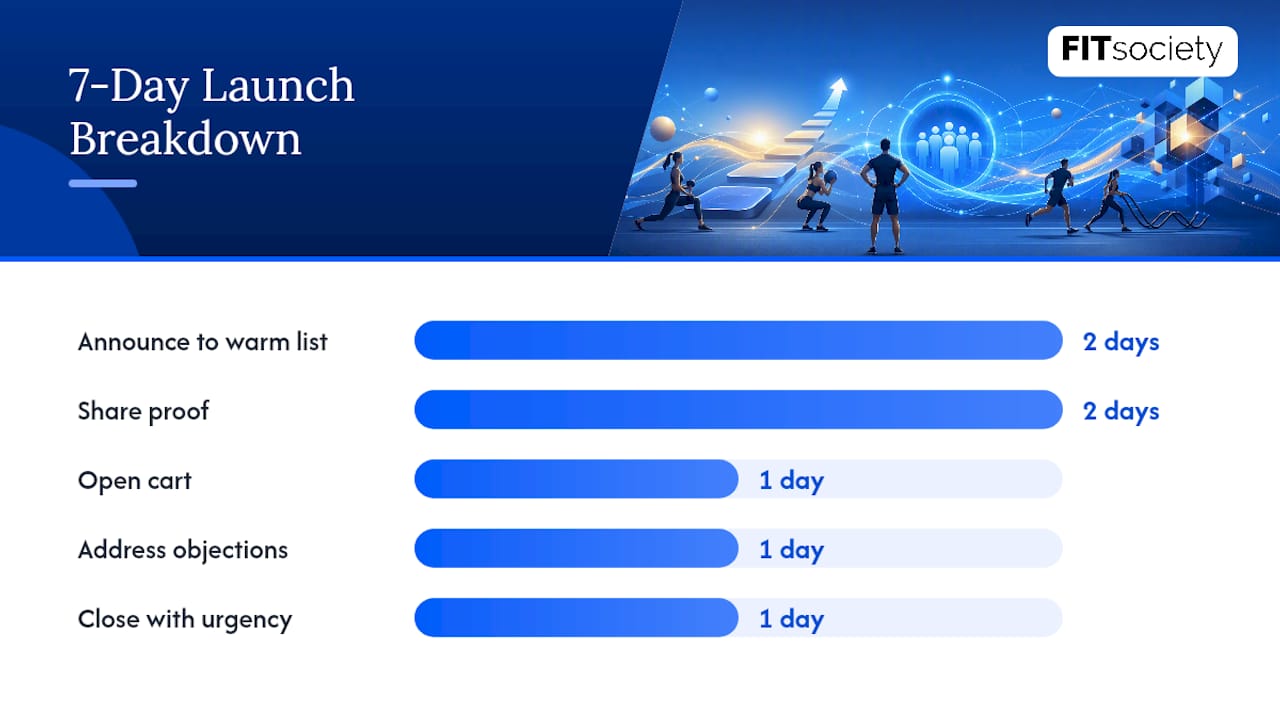
Once the page is live, run a compact 7-day sequence rather than a slow drip:
- Day 1 to 2: Announce to your warm list (email, existing clients, engaged followers) that something is coming, with a hint at the transformation.
- Day 3 to 4: Share proof. Post a beta result, a testimonial, or a quick before-and-after.
- Day 5: Open the cart. Send the sales page link directly to your warm list first.
- Day 6: Address objections. Post an FAQ-style piece of content answering the top three hesitations you heard during beta.
- Day 7: Close with urgency tied to a real reason, such as a bonus that disappears or a beta pricing window ending.
Pro Tip: Use a beta launch when you need proof and refinement, and a challenge launch when you need volume. A 5 to 7 day free challenge builds a list fast, but a beta group builds testimonials fast. Most trainers need the beta first.
How to Get Your First 10 Paying Clients
Your first 10 sales should come almost entirely from people who already know you. Cold traffic converts far worse than a warm list, and chasing it before you have proof wastes both time and ad spend.
Start with the audiences you already have: existing clients you’ve trained in person, your email list even if it’s small, and followers who consistently comment or message you. FitCoachPlatform’s playbook on selling online fitness programs frames this as the core sequence: beta first, warm launch second, cold acquisition only once the offer is proven.
A free 5 to 7 day challenge works well as a lead-in because it lets people experience your coaching style before they pay. Structure it around one small win per day, end with a clear pitch to your paid program on the final day, and keep the ask specific rather than generic.
- Message warm contacts individually rather than blasting a group post; personalized outreach converts noticeably better than a broadcast.
- Reference something specific about their situation or goal in the first line, not a copy-paste script.
- Ask satisfied beta participants for one specific referral, not a general “let people know” request.
- Give referrers a simple tracked link or discount code so you can see what’s actually working.
Referral tracking doesn’t need to be complicated at this stage. A unique code per person, checked manually against sales, is enough to identify who your best advocates are before you invest in anything more automated.
Scaling to Recurring Revenue and Retention
Membership makes sense once you see specific signals: repeat buyers coming back for a second program, churn holding steady rather than climbing month over month, or direct requests from clients for ongoing content instead of a one-time plan. Building a membership before those signals appear usually just adds overhead without matching demand.
Retention runs on a few concrete levers:
- Fresh programming released on a predictable schedule, not sporadically.
- Community accountability, even something as simple as a weekly check-in thread.
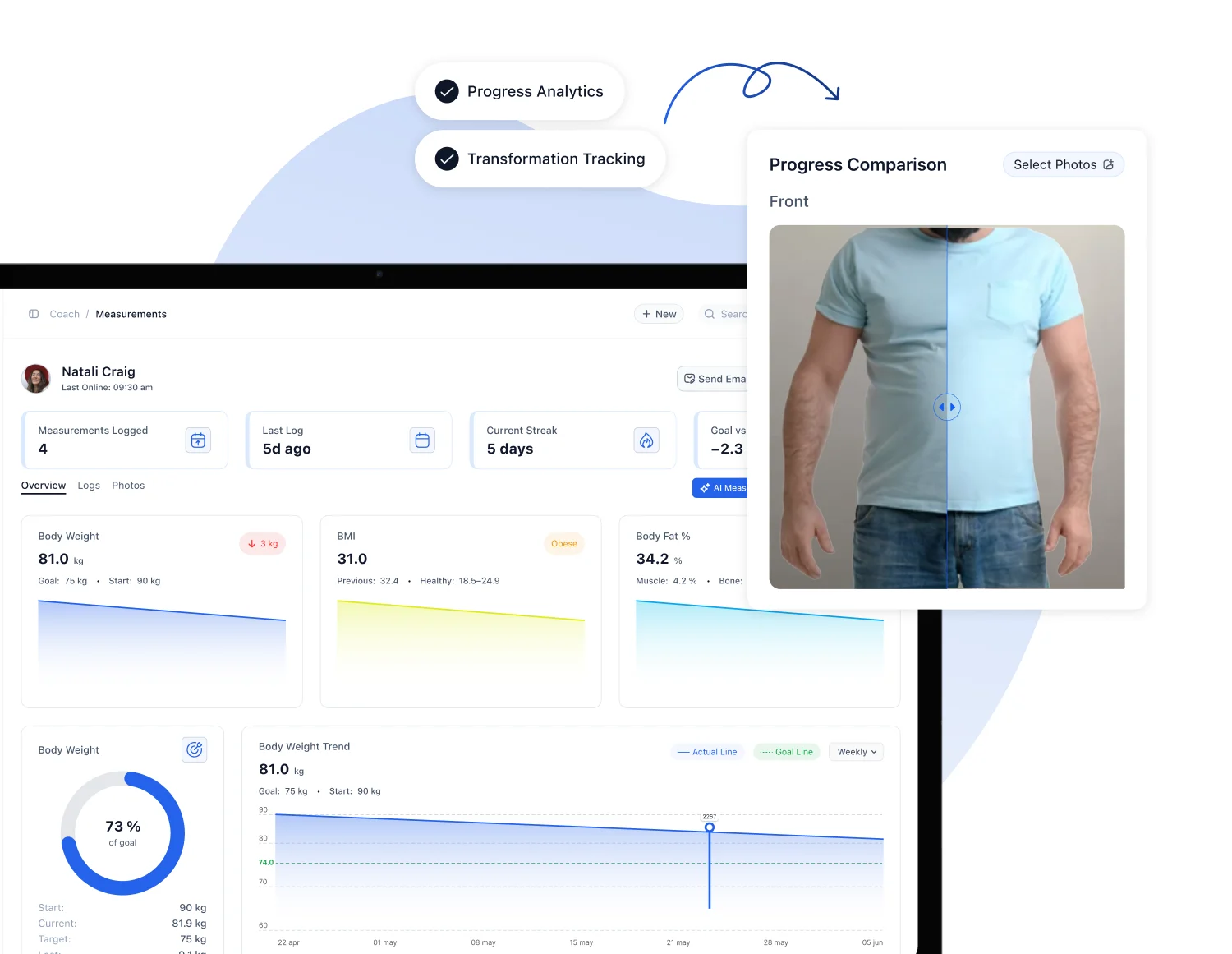
- Visible progress tracking so members see their own trajectory, not just yours.
- A responsive support workflow so questions get answered within a day, not a week.
The revenue math differs sharply between models. A one-off funnel needs a constant stream of new buyers to keep revenue flat. A membership at $40 a month with 100 members generates $4,000 monthly as long as churn stays low, which is why retention metrics matter more than acquisition once you cross into subscription territory. Watch monthly churn rate, average client lifetime, and repeat-purchase rate as your core KPIs.
Operationally, scaling requires a payment system that handles recurring billing without manual intervention, a churn dashboard so drop-off doesn’t go unnoticed, a support workflow that doesn’t rely entirely on your personal inbox, and a content calendar that keeps new material coming on schedule.
How an All-in-One Platform Shortens Time to Revenue
Every section above points to the same operational problem: too many separate tools slow down launch and create gaps where buyers fall through. An integrated platform closes those gaps directly.
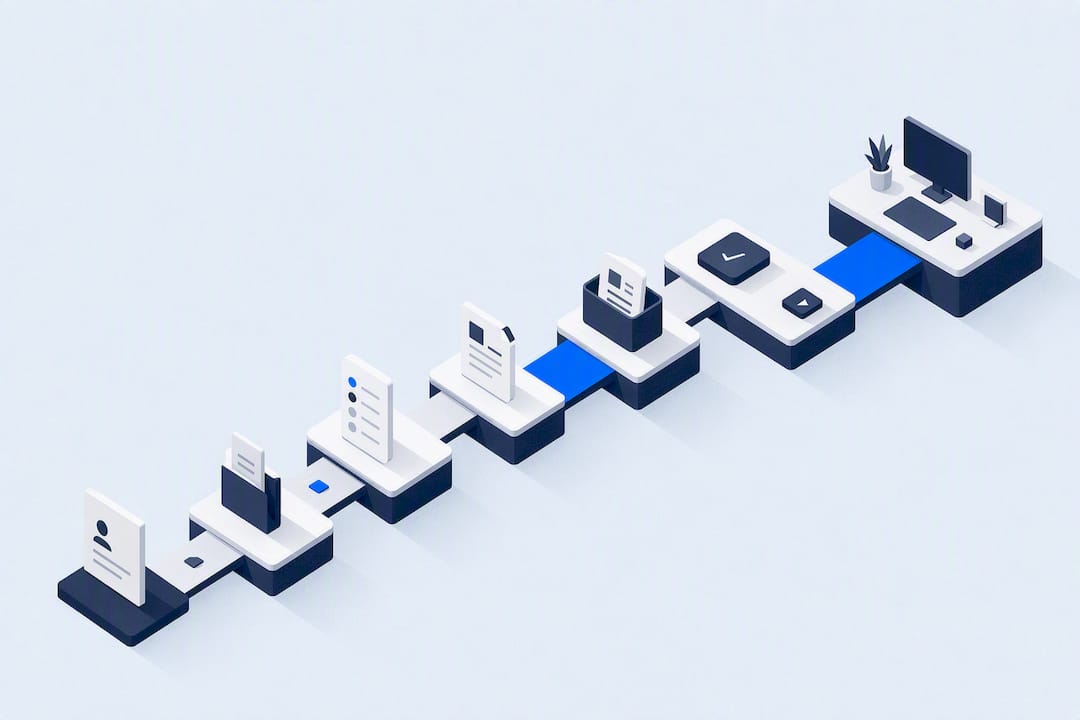
- Client intake forms feed straight into training plan creation, cutting the manual back-and-forth that delays a beta group’s start date.
- Built-in payment processing reduces the delivery failures that drive early refund requests.
- Progress tracking and check-in data double as the retention signals that tell you when membership makes sense.
- Nutrition plan tools let you bundle a nutrition framework into a program tier without a second subscription.
FITsociety consolidates coaching workflows, nutrition planning, scheduling, and payments into one system, which matters most in the weeks right after launch when a trainer is juggling client questions, content delivery, and billing simultaneously. Coaches using integrated systems commonly report smoother client onboarding and better retention simply because fewer things fall through administrative cracks. An all-in-one setup fits best once you’re running more than one program or format; if you’re still testing a single PDF plan, a lighter setup may be enough until volume justifies the switch. Trainers rolling out new software mid-season can follow a structured implementation checklist to avoid disrupting active clients during the transition.
What I’ve Learned Watching Trainers Launch Online Programs
The mistakes repeat themselves. Trainers pick a niche too broad to differentiate, skip the beta because it feels like a delay rather than a shortcut, overproduce video before confirming anyone wants the program, and never test their own checkout until a paying client hits a broken link.
The fix is boring and it works: week one, define the niche and transformation. Week two, run the beta and collect proof. Week three, build the sales page and test the full purchase flow yourself. Week four, launch to your warm list only. Validation beats polish every time, because a rough program with proof outsells a beautiful one with none.
— Matthijs
Run Your Fitness Business on One Platform Instead of Five
Every tactic above works better when the tools behind it don’t fight each other. Some platforms are built specifically for trainers who don’t want to stitch together a course platform, a payment processor, a nutrition app, and a spreadsheet just to launch one program. Intake forms, training and nutrition plan creation, check-ins, scheduling, and payment processing all live in one workflow, which means less setup time before your first beta group even starts.
If you’re planning a launch this quarter, start by exploring the coaching tools built for structured program delivery, or check the business features if membership and recurring billing are next on your roadmap. Trainers bundling nutrition guidance into premium tiers can also look at the nutrition software for online coaches to see how meal plans and macro tracking fit into a single client workflow. The most practical next step is booking a demo at Fitsociety before your next launch window opens, so intake, delivery, and payment are already working the day you go live. If your sales page still needs design work, a partner like Sun State Digital can help build the storefront your program deserves, and for trainers looking to grow beyond their warm list, Gym SEO services can help new buyers find you organically once your launch proves the offer works.
Primary Sources and Documentation
- SamCart’s guide to selling fitness programs: pricing bands and checkout tactics.
- Teachery’s fitness course sales guide: platform trade-offs and pricing structure.
- TrainerBio on workout program delivery: fulfillment and payout workflow.
- FitCoachPlatform’s launch playbook: launch sequencing and scaling.
- Statista’s digital fitness market outlook: demand context.
- ACSM’s fitness trends forecast: online training trend data.
Sources
- SamCart — How to sell fitness programs online (2026)
- Teachery — How to sell a fitness course online (step-by-step)
- Statista — Digital fitness & well-being worldwide
FAQ
What Is the 3-3-3 Rule for Fitness?
The 3-3-3 rule is a general training guideline, often cited as three types of movement, three sets, or three weekly sessions depending on the source; definitions vary, so check the specific program’s own explanation before applying it as a fixed rule.
What Is the Most Profitable Fitness Business Model Online?
Membership and hybrid coaching models tend to generate the most predictable revenue over time because they rely on recurring payments rather than a single purchase, though one-off programs remain the fastest way to generate initial cash flow.
How Much Should I Sell a Workout Plan for?
A static PDF plan typically sells for $10 to $50, while structured multi-week courses with video and check-ins usually run $50 to $300, depending on the level of support included.
Do Online Fitness Trainers Actually Make Money?
Yes. Trainers who package a specific transformation, validate it through a small beta, and launch to a warm audience regularly convert those first sales into sustainable income, especially once they add a recurring membership tier.
Do I Need a Certification to Sell Fitness Programs Online?
No certification is legally required to sell a digital fitness program, though credentials from a recognized body like NASM can strengthen buyer trust alongside real testimonials from your beta group.