Cube Lift
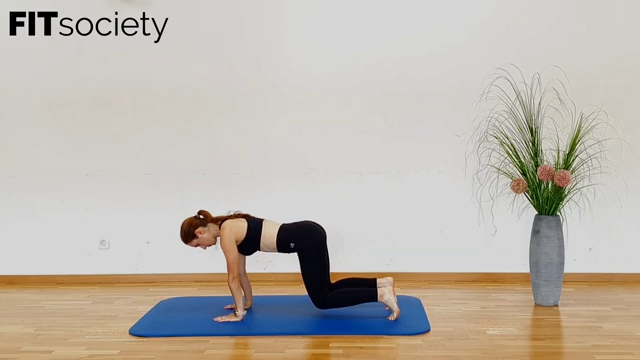
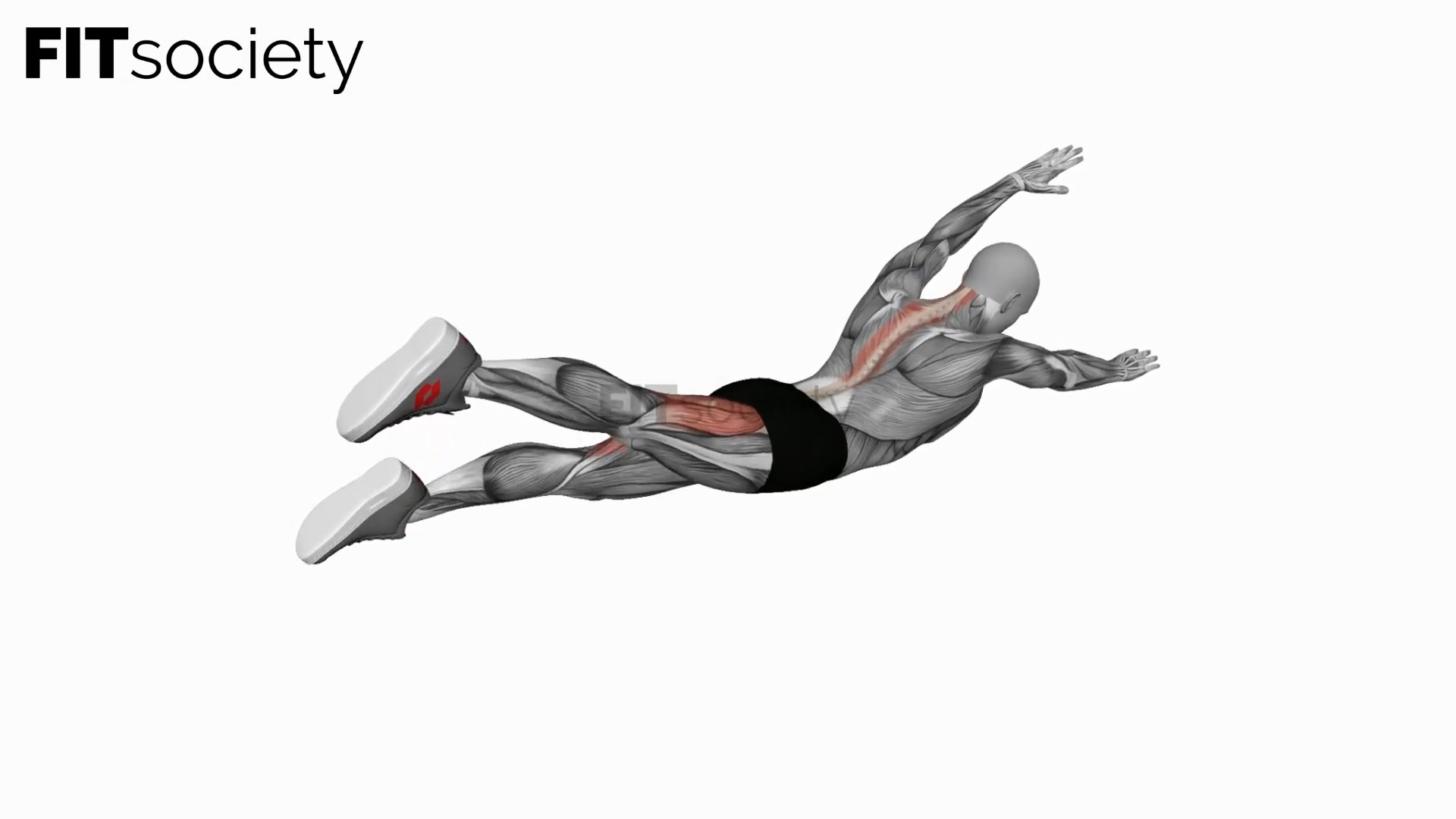
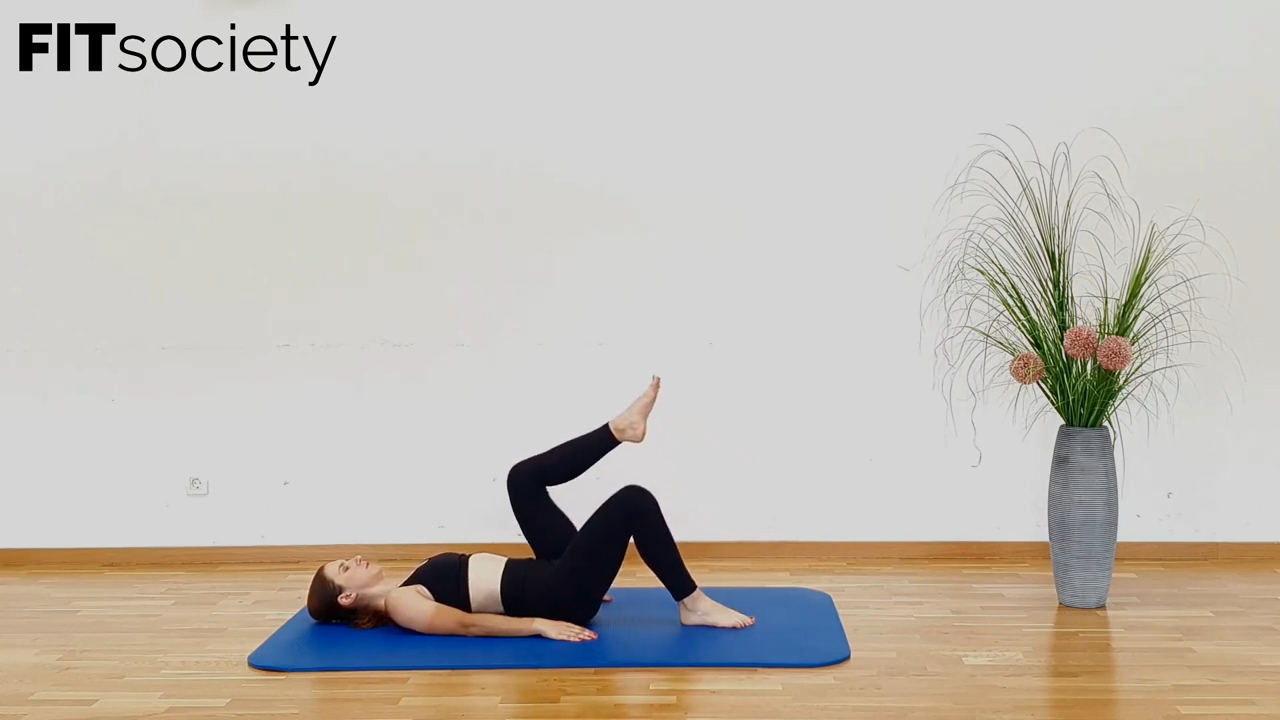
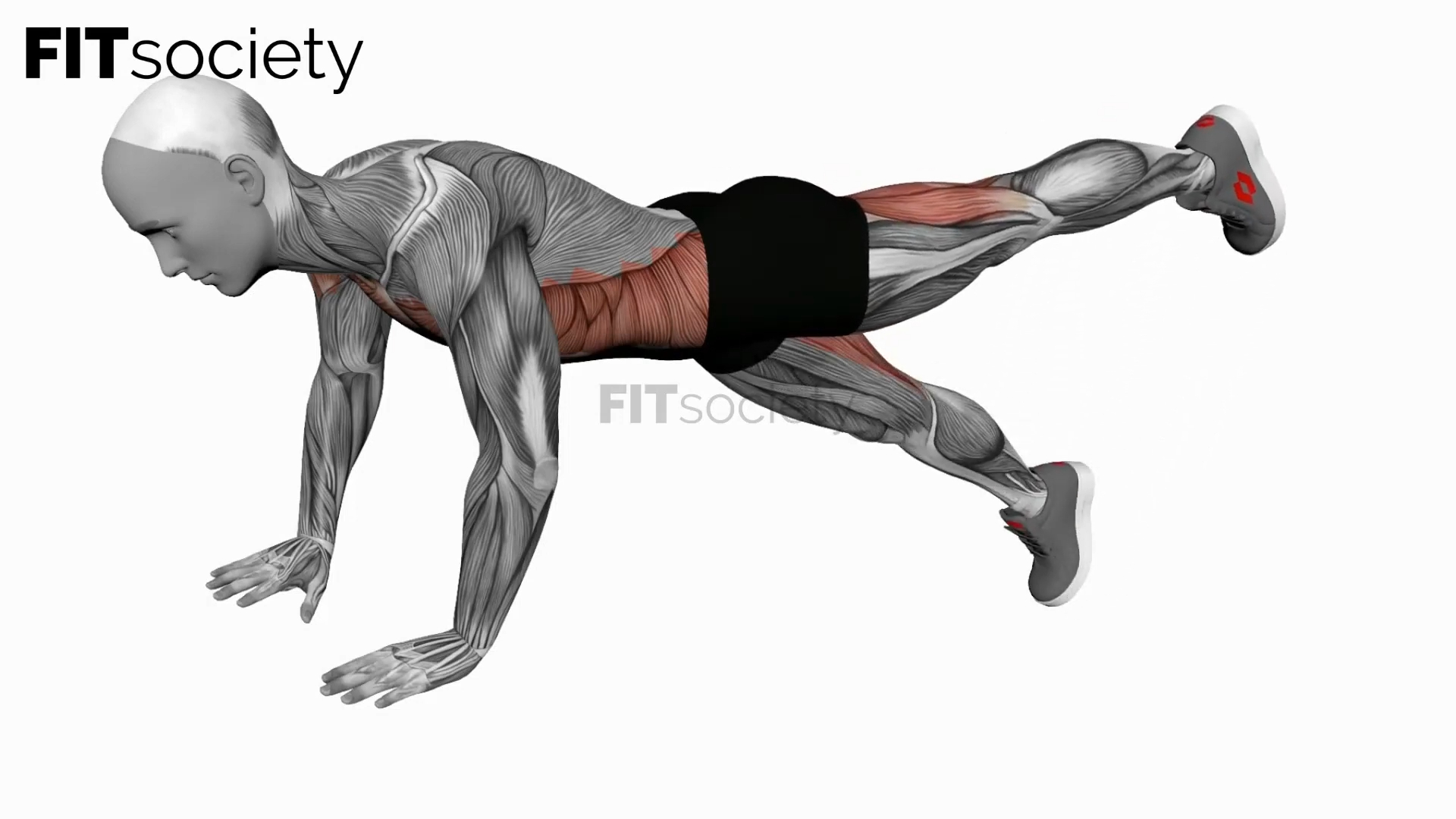
The Cube Lift is a dynamic strength exercise that focuses on strengthening your core and improving your overall stability. This exercise offers a unique combination of strength, coordination, and balance, making it an excellent addition to your fitness routine.
Execution:
- Stand with your feet shoulder-width apart and place a cube-shaped weight on the floor in front of you.
- Bend your knees and hips and keep your back straight while grasping the weight with both hands.
- Engage your core and lift the weight by extending your hips and knees until you are standing fully upright.
- Hold the weight briefly at the top, then lower it in a controlled manner back to the starting position.
- Repeat the movement for the desired number of repetitions.
Primary Muscles:
- Quadriceps (front of the thighs)
- Hamstrings (back of the thighs)
- Gluteus maximus (glutes)
- Latissimus dorsi (broad back muscle)
- Rectus abdominis and obliques (abdominal muscles)
Benefits:
- Improves core strength and stability.
- Increases coordination and functional strength, which is useful for daily activities.
- Helps develop better posture and reduces the risk of back injuries.
Common Mistakes:
- Do not round your back while lifting; keep your spine neutral.
- Avoid letting your knees cave inward; keep them aligned with your feet.
- Do not jerk the weight up; the movement should be smooth and controlled.
Possible Alternatives:
- If the cube-shaped weight is too heavy, start with a lighter dumbbell or kettlebell.
- To increase the intensity, try performing the exercise on one leg for an additional balance challenge.
- Use a resistance band around your thighs to increase activation of the gluteus maximus.
Run your fitness business with more structure
- Planning, member management and coaching in one platform
- Built for coaches, studios and gyms
- Fewer separate tools, more overview