Archer Pull-Up
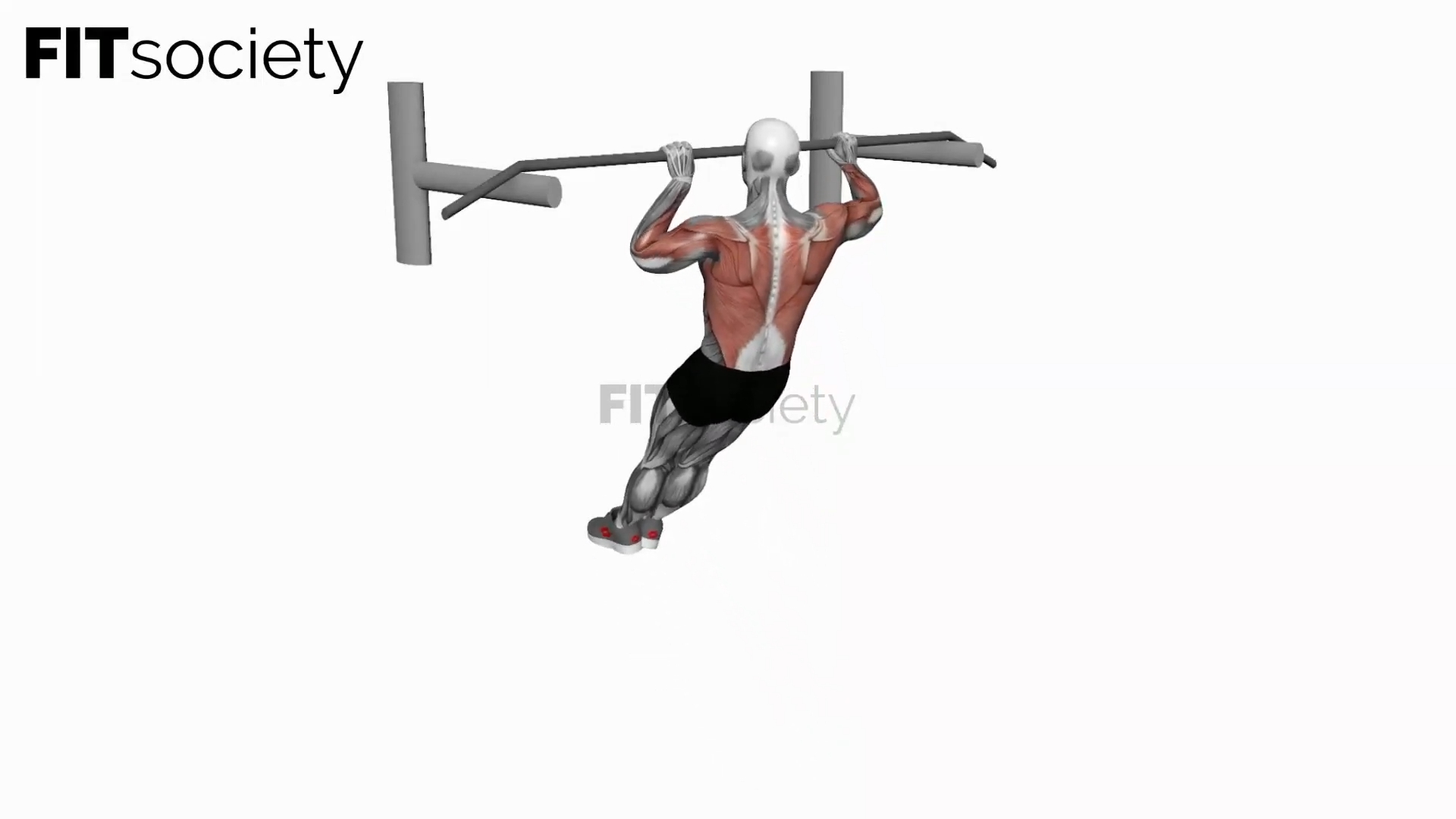
The Archer Pull-Up is an advanced variation of the traditional pull-up. This exercise focuses on strengthening your upper body by providing a unique challenge. Instead of using both arms equally, the Archer Pull-Up emphasizes one arm at a time while the other arm provides support. This results in an intense workout for your muscles.
Execution
-
1
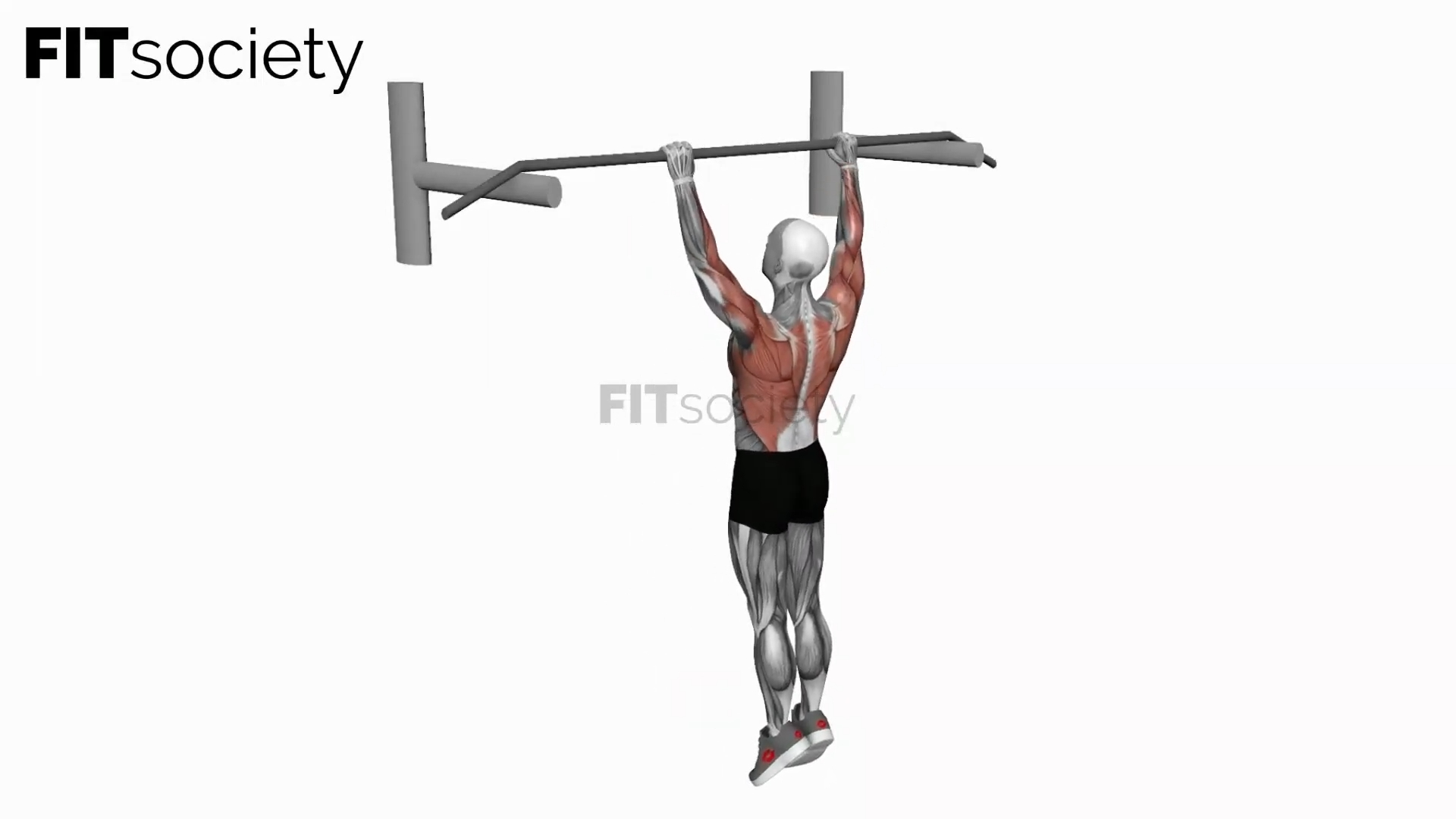
Begin by gripping the pull-up bar with a wide grip, with your hands positioned farther apart than shoulder width.
-
2
Pull yourself up while keeping one arm straight and bending the other, as if drawing a bow. Pull yourself toward the bent arm.
-
3
Try to get your chin above the bar on the side of the bent arm.
-
4
Lower yourself slowly and in a controlled manner to the starting position.
-
5
Repeat the movement, but switch arms so that both sides are trained evenly.
Benefits
- Improves upper-body strength and stability.
- Develops unilateral strength and coordination.
- Helps correct strength differences between the left and right sides of the body.
- Increases grip strength.
Common Mistakes
- ! Not fully extending the supporting arm.
- ! Moving up or down too quickly, which can result in less effective muscle activation and an increased risk of injury.
- ! Failing to keep the torso stable during the exercise.
Primary Muscles
The Archer Pull-Up primarily trains the latissimus dorsi, biceps, trapezius, and, to a lesser extent, the deltoids and the muscles in your forearms.
Possible Alternatives
If the Archer Pull-Up is too challenging, you can start with negative pull-ups or use a resistance band to partially support your weight. For an extra challenge, you can consider wearing a weighted vest or progressing to a one-arm pull-up.
Run your fitness business with more structure
- Planning, member management and coaching in one platform
- Built for coaches, studios and gyms
- Fewer separate tools, more overview