Windshield Wipers
The Windshield Wipers exercise is a dynamic movement that focuses on strengthening your core and improving your flexibility. This exercise simulates the movement of a windshield wiper, providing a unique combination of rotation and stabilization of your midsection.
Execution
-
1
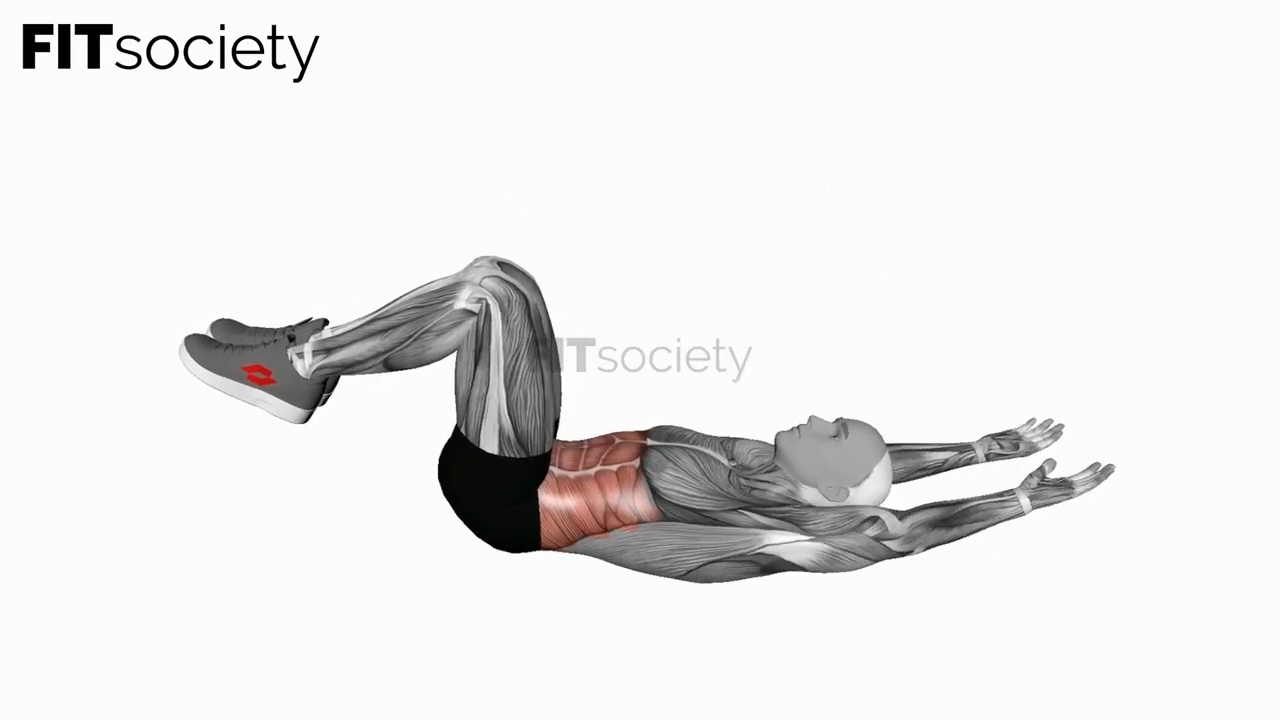
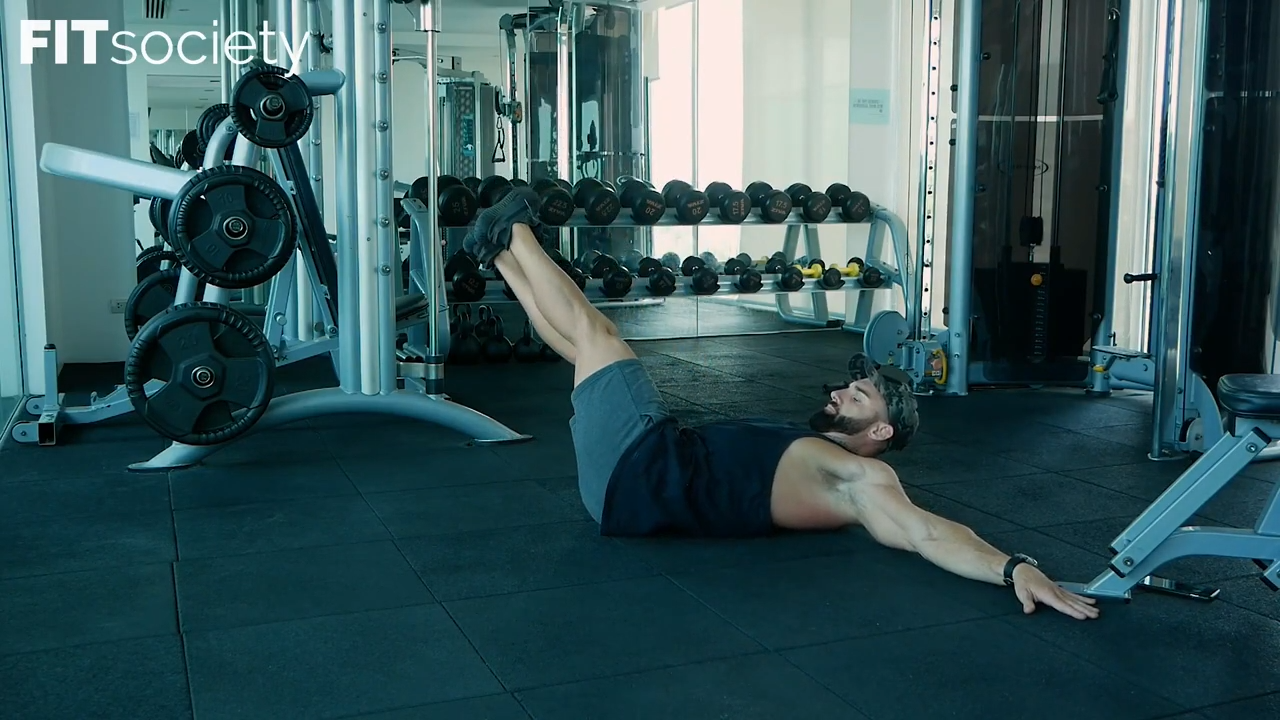
Lie on your back on a mat, with your arms extended alongside your body for stability.
-
2
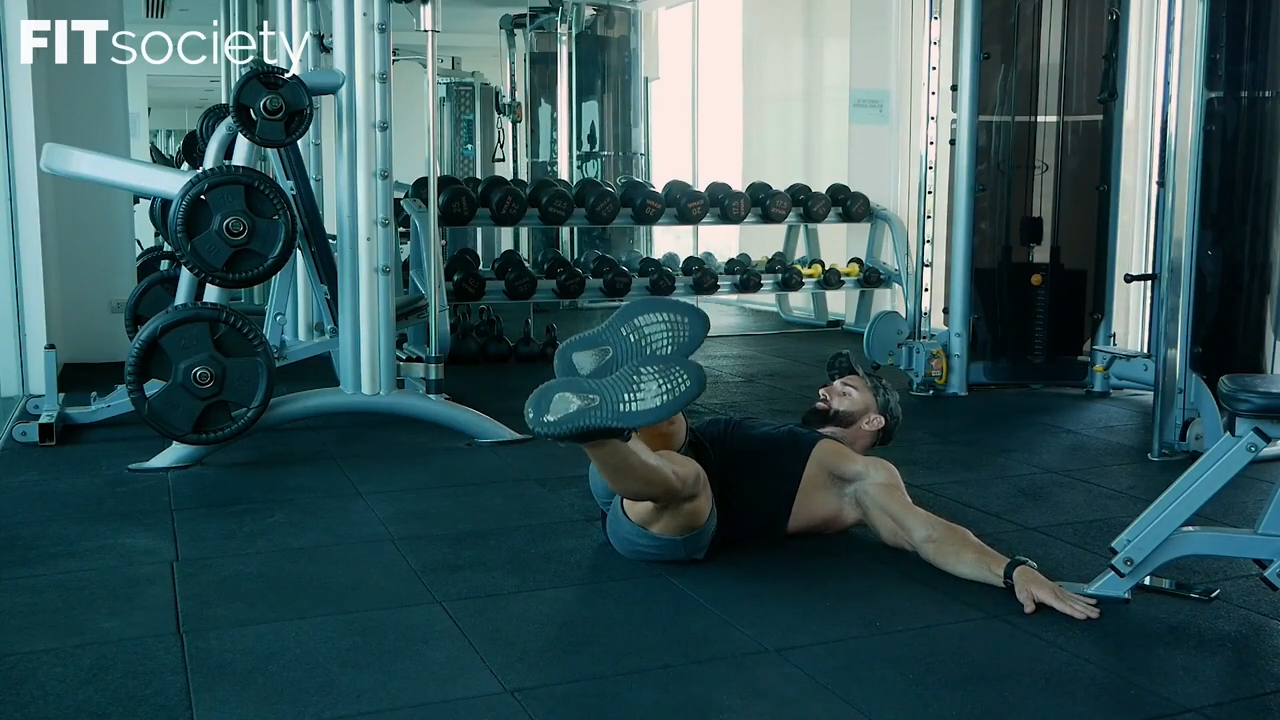
Lift your legs and bend them at 90 degrees at your hips and knees.
-
3
Inhale and slowly rotate your legs to one side while keeping your shoulders and arms firmly on the floor.
-
4
Rotate your legs as far to the side as is comfortable, but do not let them touch the floor.
-
5
Exhale and bring your legs back to the center.
-
6
Repeat the movement to the other side.
Benefits
Windshield Wipers help improve the rotational capacity and stability of your core, which is essential for balance and strength in everyday life and during other sports. In addition, they may help reduce back pain through a stronger and more balanced midsection.
Common Mistakes
- ! Moving too quickly: It is important to perform the movement slowly and with control to achieve maximum muscle activation and prevent injuries.
- ! Rotating too far: Rotating too far can place strain on the lower back. Make sure your movement stays within a comfortable range.
Key Muscles
This exercise primarily targets the obliques, but the entire core, including the deeper abdominal muscles and lower back, is also trained.
Possible Alternatives
If standard Windshield Wipers are too intense, you can begin by rotating your legs less far or perform a bent-knee variation. For an additional challenge, you can hold a medicine ball between your knees.
```Run your fitness business with more structure
- Planning, member management and coaching in one platform
- Built for coaches, studios and gyms
- Fewer separate tools, more overview