Seated V-Up
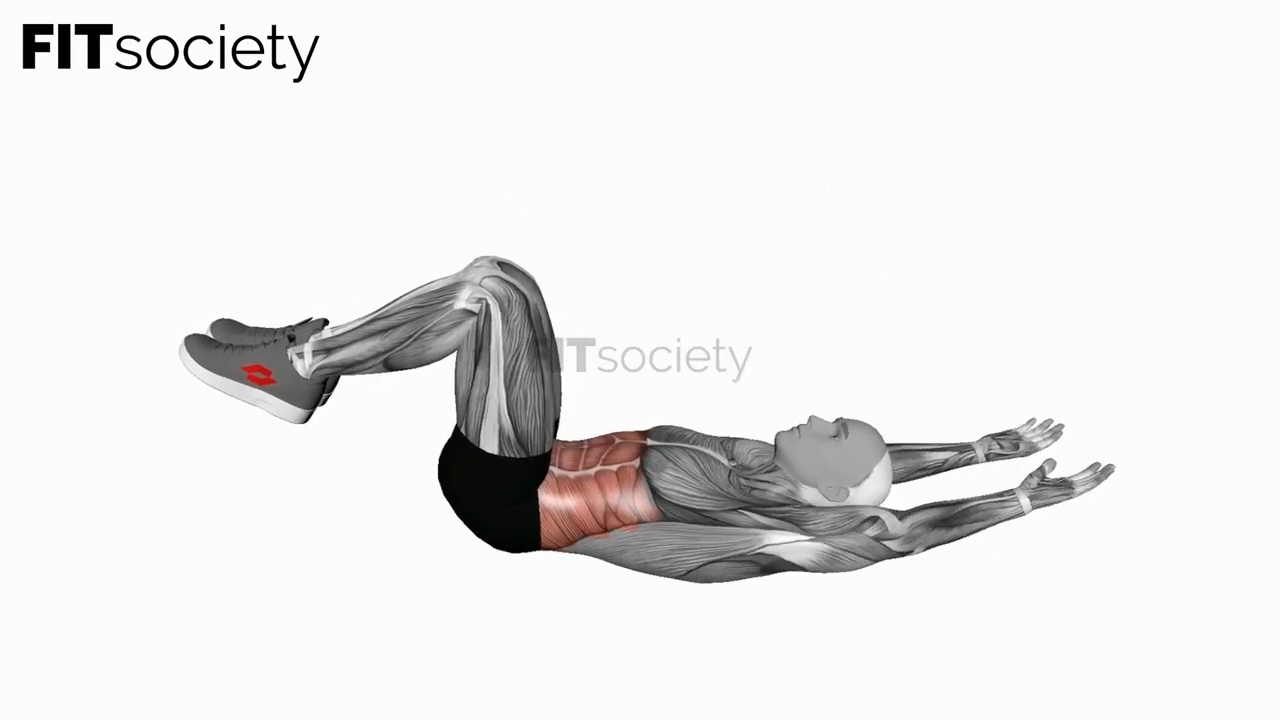
The Seated V-Up is a powerful exercise that targets your core, with a particular focus on the abdominal muscles. This exercise is unique because it not only strengthens your abdominal muscles but also improves your balance and coordination.
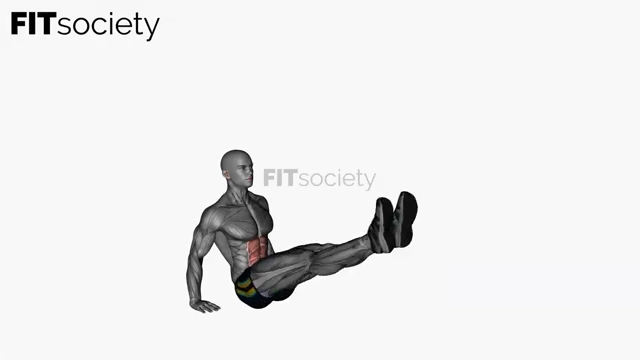
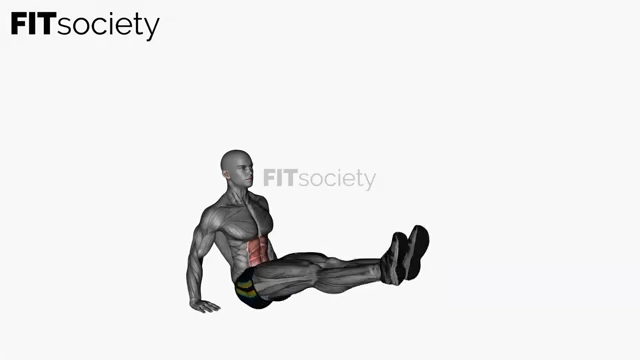
Execution
-
1
Start by sitting on the floor with your knees bent and your feet flat on the floor.
-
2
Lean back slightly and lift your feet off the floor so that you are seated in a V position.
-
3
Extend your legs while bringing your upper body toward your legs, forming a 'V' with your body.
-
4
Hold this position briefly, then slowly return to the starting position.
-
5
Repeat this movement for the desired number of repetitions.
Benefits
- Strengthens the core and improves stability.
- Improves balance and coordination.
- May help reduce back pain through a stronger core.
- Increases hip flexor flexibility.
Common Mistakes
- ! Rounded back: Make sure your back remains straight during the exercise to maximize effectiveness and prevent injuries.
- ! Performing too quickly: Perform the movement in a controlled manner to maximize muscle activation.
- ! Breathing: Remember to breathe during the exercise. Exhale as you come up and inhale as you return to the starting position.
Primary Muscles
The Seated V-Up primarily trains the rectus abdominis (the 'six-pack' muscles), the obliques (the side abdominal muscles), and, to a lesser extent, the hip flexors.
Possible Alternatives
- To reduce the intensity, perform the exercise without fully extending your legs.
- For higher intensity, hold a weight between your hands while performing the movement.
- Alternatively, you can try the Russian Twist for a variation that also strongly targets the obliques.
Run your fitness business with more structure
- Planning, member management and coaching in one platform
- Built for coaches, studios and gyms
- Fewer separate tools, more overview