Seated Floor Crunches
Seated Floor Crunches are a fantastic way to strengthen your core without needing much space or equipment. This exercise is ideal for both beginners and advanced exercisers because it helps build strength in your abdominal muscles while minimizing pressure on your back.
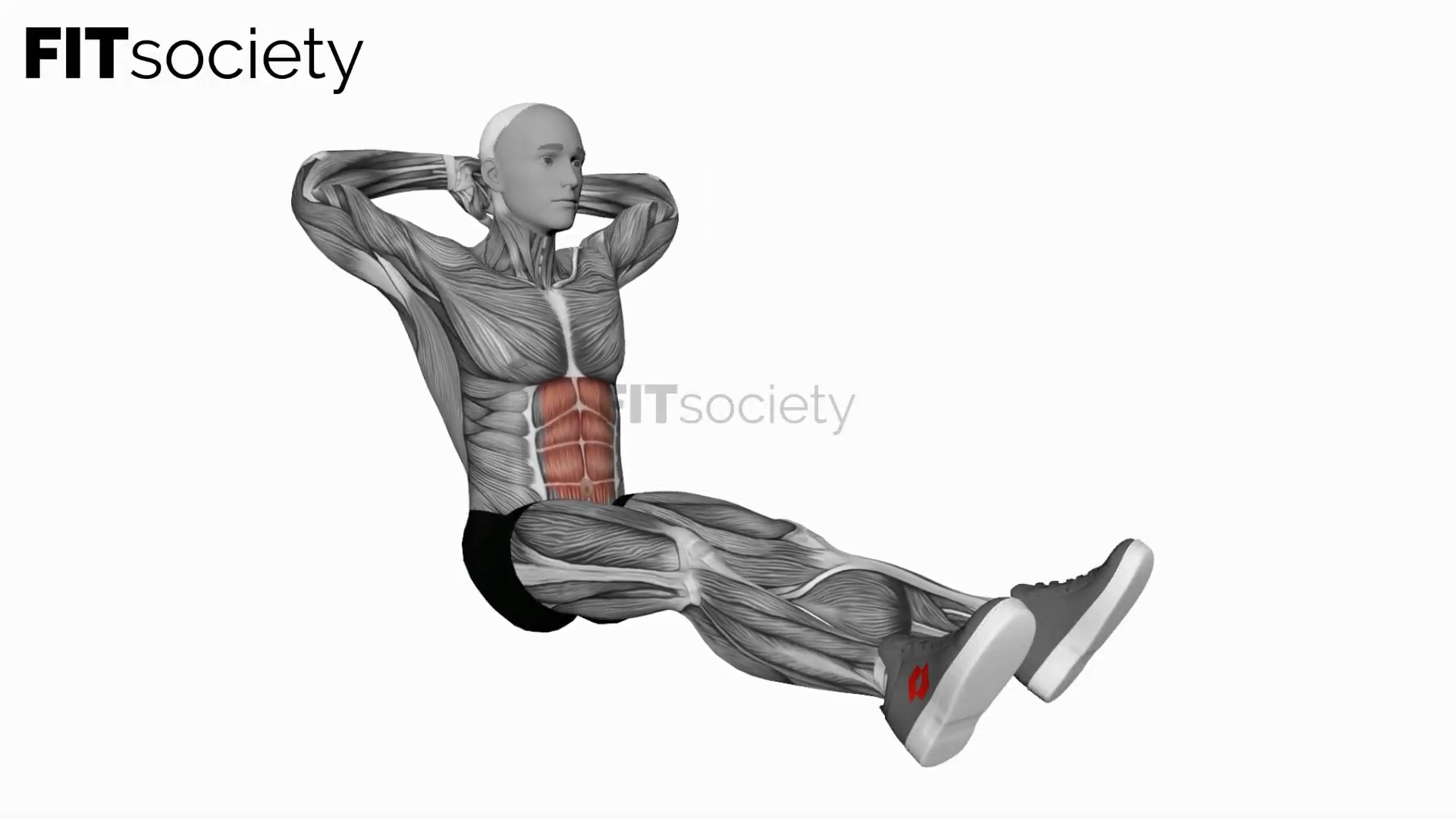
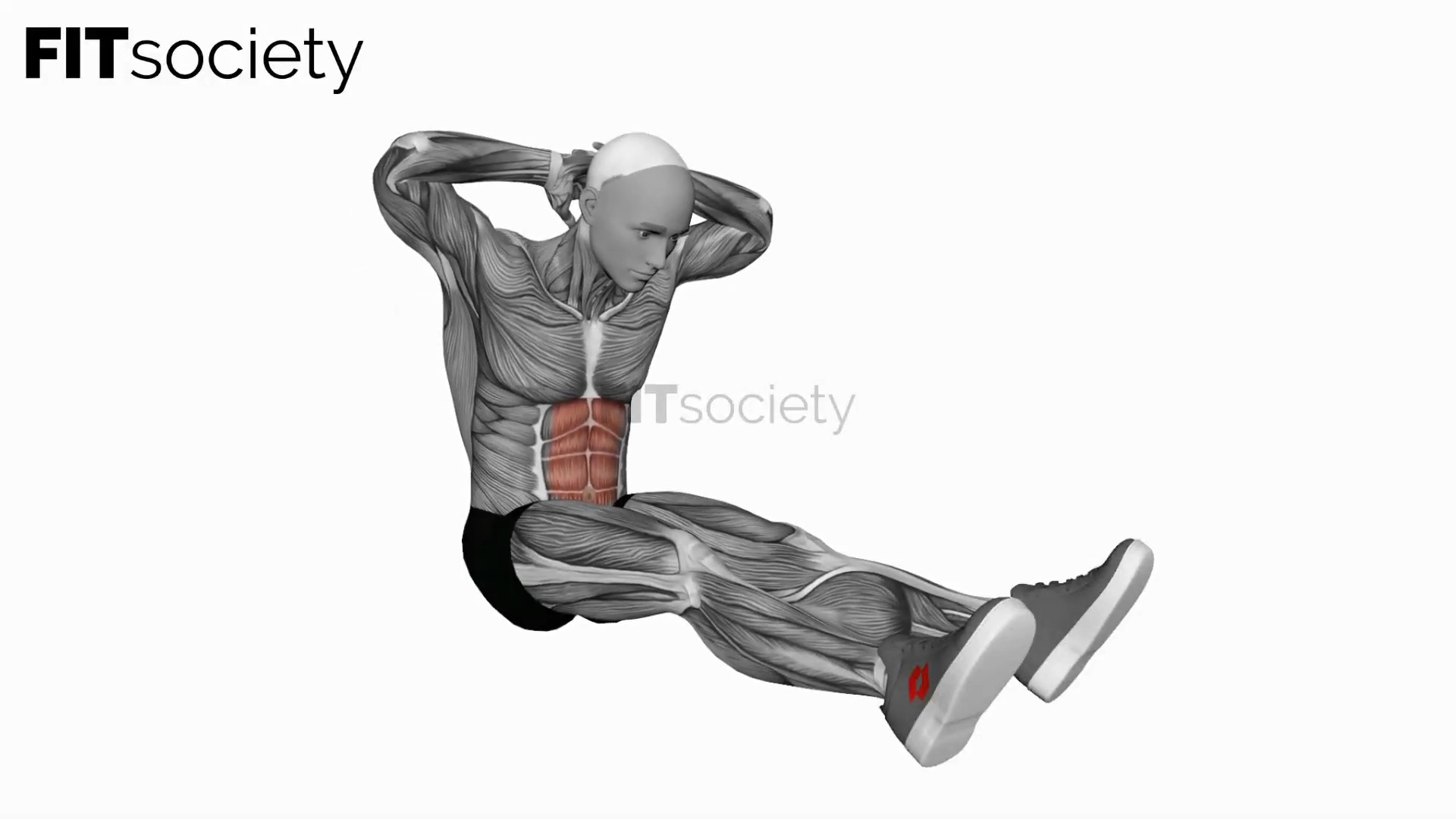
Execution
-
1
Sit on the floor with your knees bent and your feet flat on the floor.
-
2
Lean back slightly without resting your back on the floor.
-
3
Place your hands behind your head or cross them over your chest.
-
4
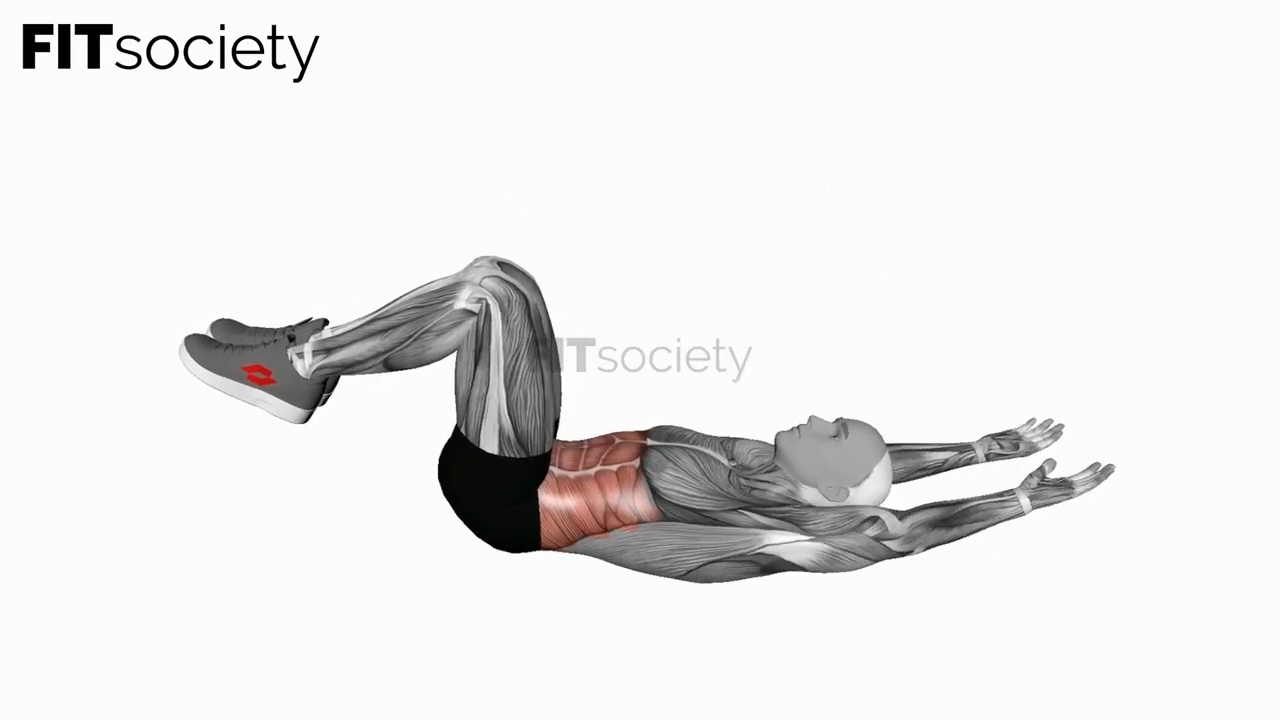
Engage your abdominal muscles and lift your upper body toward your knees while keeping your lower back on the floor.
-
5
Slowly lower yourself back to the starting position.
-
6
Repeat for the desired number of repetitions.
Benefits
Seated Floor Crunches offer several benefits. They not only strengthen your core, which is essential for good posture and preventing back pain, but also improve your balance and stability. In addition, they are less stressful on your back than traditional crunches.
Common Mistakes
- ! Performing too quickly: It is important to perform the movement in a controlled and slow manner to maximally activate the muscles.
- ! Leaning too far back: This can place unnecessary strain on your back. Make sure your back remains straight.
- ! Straining your neck: Do not pull on your neck or head during the exercise. Let your abdominal muscles do the work.
Primary Muscles
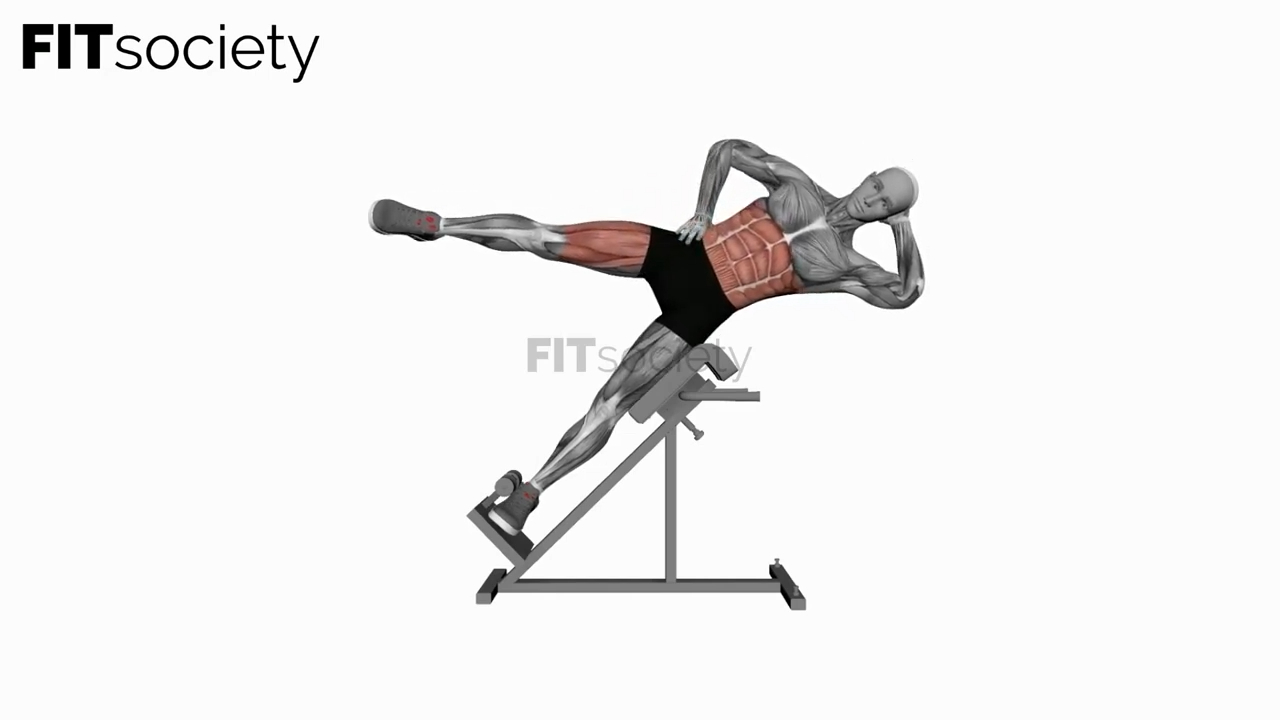
This exercise primarily targets the rectus abdominis (the “six-pack” muscles) and the obliques (the sides of the abdomen). The deeper abdominal muscles, such as the transversus abdominis, are also engaged.
Possible Alternatives
To adjust the intensity of Seated Floor Crunches, you can add variations such as:
- Increase the speed of the exercise for a cardiovascular challenge.
- Add a twist to each crunch to engage the obliques more.
- Use a weight or medicine ball for additional resistance.
Run your fitness business with more structure
- Planning, member management and coaching in one platform
- Built for coaches, studios and gyms
- Fewer separate tools, more overview