Crunch Leg Raise
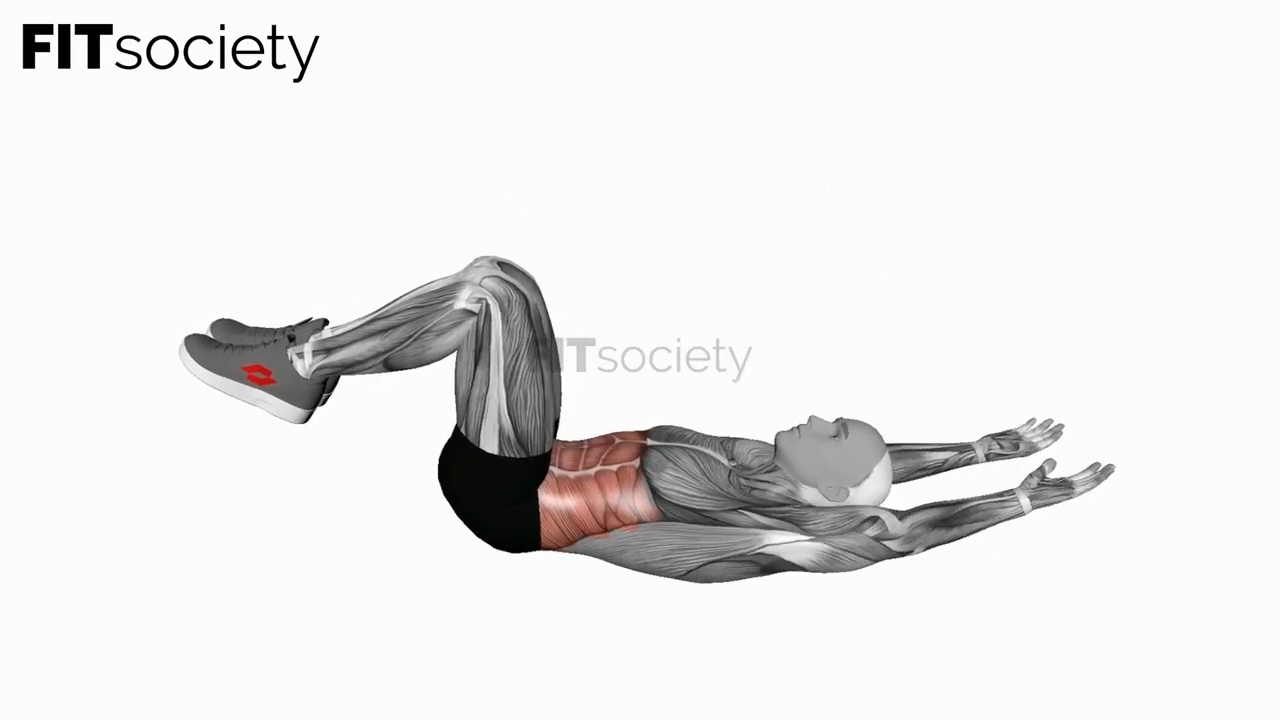
The Crunch Leg Raise is a powerful exercise that focuses on strengthening your core and improving the flexibility of your lower body. This exercise combines the benefits of a traditional crunch with those of a leg raise, giving you a double dose of effectiveness in one movement.
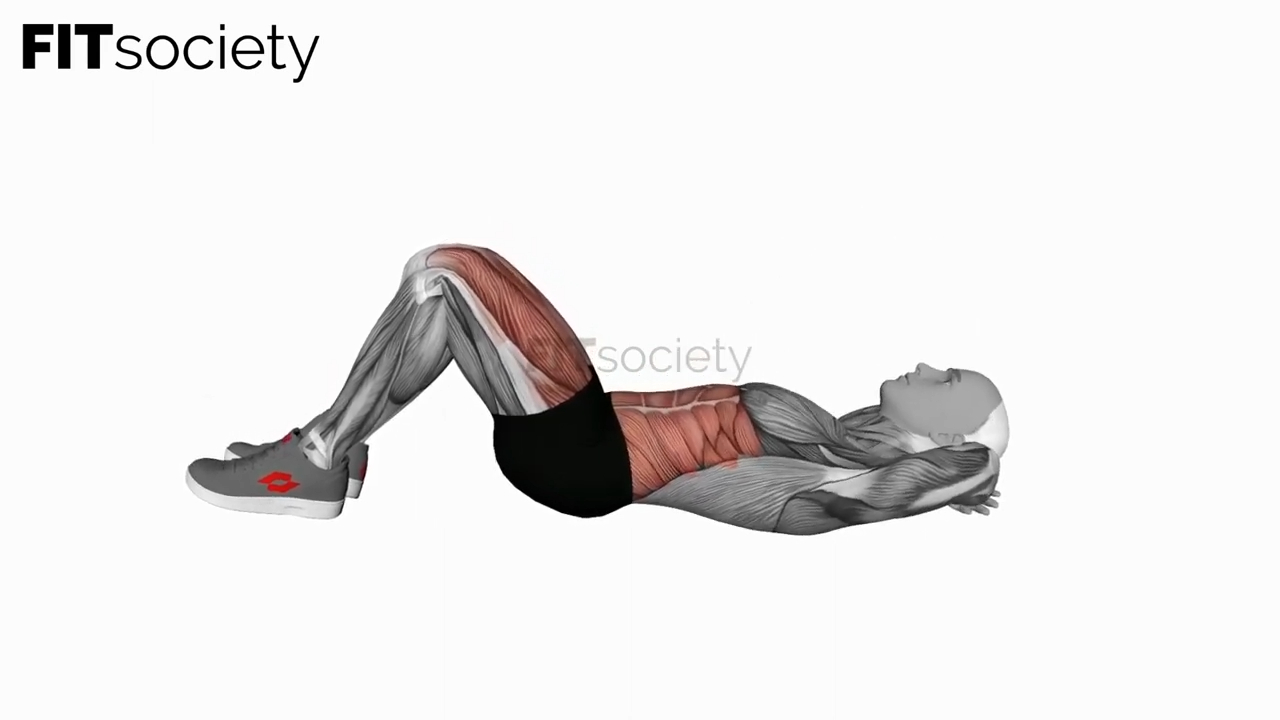
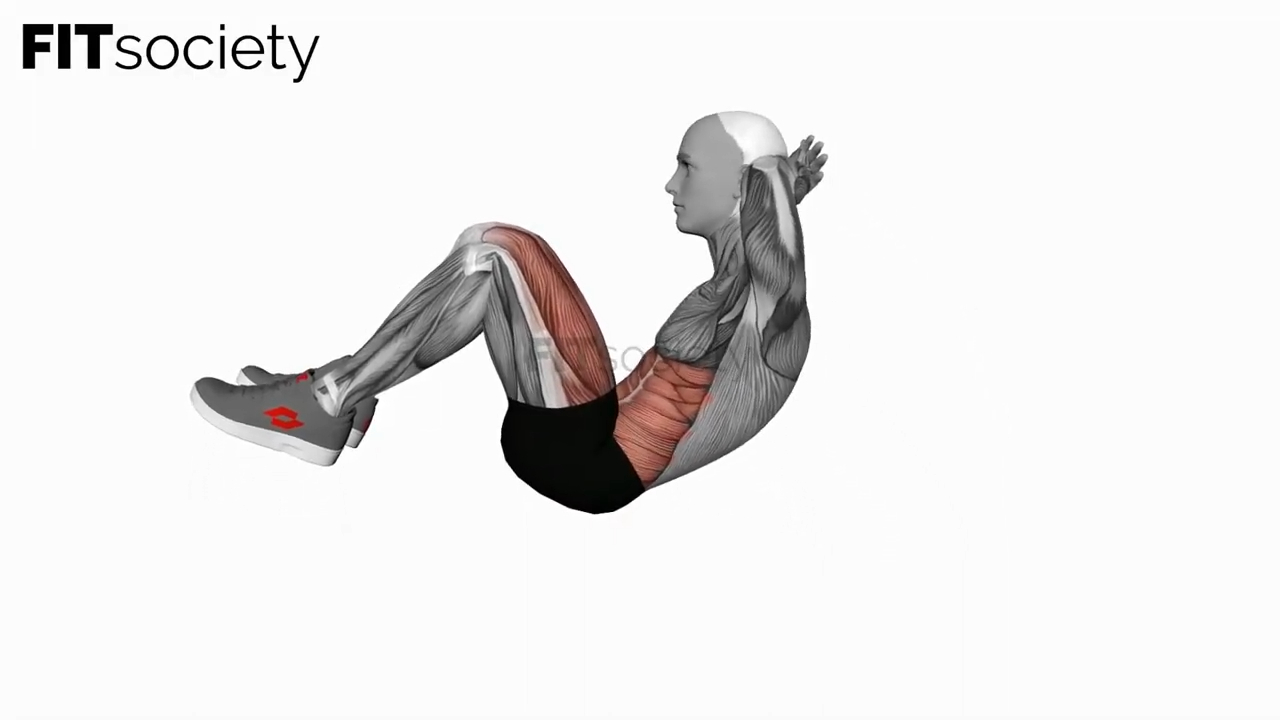
Execution
-
1
Lie on your back on a comfortable surface, with your hands behind your head and your legs extended.
-
2
Inhale and simultaneously lift your upper body and legs off the ground, slightly bending your knees as you bring them toward your chest.
-
3
Make sure your lower back always stays in contact with the ground and contract your abdominal muscles firmly with each movement.
-
4
Exhale as you slowly return to the starting position.
-
5
Repeat this movement for the desired number of repetitions.
Benefits
- Strengthens the core, which may lead to better posture and less back pain.
- Improves flexibility and mobility in the lower body.
- Helps burn calories and may contribute to a more toned abdomen.
Common Mistakes
- ! Performing the movement too quickly, which can lead to reduced effectiveness and a higher risk of injury.
- ! Not fully extending the legs or not properly contracting the abdominal muscles during the exercise.
- ! Putting too much pressure on the neck by pulling on the head. Make sure your hands lightly support your head.
Primary Muscles
The Crunch Leg Raise primarily trains the rectus abdominis (the “six-pack” muscles), the obliques (the side abdominal muscles), and to a lesser extent the hip flexors and the muscles in the lower body.
Possible Alternatives
- To increase the intensity, you can hold a weight plate or medicine ball between your feet during the leg raises.
- For beginners, the exercise can be simplified by lifting one leg at a time instead of both legs together.
- Alternatively, the exercise can also be performed in a hanging position while hanging from a pull-up bar.
Run your fitness business with more structure
- Planning, member management and coaching in one platform
- Built for coaches, studios and gyms
- Fewer separate tools, more overview